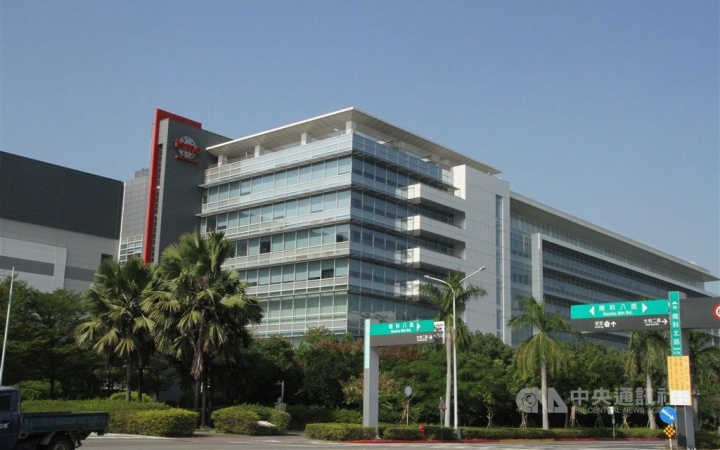
Taipei, Jan. 4 (CNA) The market capitalization of contract chipmaker Taiwan Semiconductor Manufacturing Co. (TSMC) surpassed NT$17 trillion (US$616 billion) on Tuesday after a U.S.-based brokerage raised its target price for the stock, dealers said.
A strong showing by TSMC on the Taiwan Stock Exchange, where the stock rose 3.96 percent to close at the day's high of NT$656.00, helped push TSMC's market cap NT$648.2 billion higher than a session earlier to NT$17.01 trillion.
The stock got a strong boost from a 7.06 percent surge in TSMC's American depositary receipts (ADRs) overnight, and came after foreign institutional investors were net buyers of 32.54 million TSMC shares on Monday.
Some of the momentum was driven by the upbeat projection on Sunday by the U.S.-based brokerage, which raised its target price for the stock to NT$1,035.00 from NT$1,028.00 and left its "buy" recommendation unchanged.
The brokerage said TSMC's consolidated sales in 2022 should grow 26.1 percent from a year earlier in U.S. dollar terms, and its earnings per share could hit NT$29-30 per share.
Another factor in the rally, analysts said, was the expectation among investors that TSMC will give positive leads at its investor conference on Jan. 13, when it details its 2021 fourth quarter results and gives guidance for the first quarter of this year.
Before the investor conference, TSMC is scheduled to report its sales for December as well as for the fourth quarter Jan. 10.
The chipmaker has forecast its fourth quarter consolidated sales to range between US$15.4 billion and US$15.7 billion, with the median estimate of US$15.55 billion being 4.5 percent higher than that for the third quarter.
The American brokerage forecast that TSMC will see a 3.7 percent sequential increase in consolidated sales in the first quarter, offsetting traditional slow season effects, as it benefits from ongoing growth in emerging technologies.
It also noted that TSMC is gearing up to expand its capacity by investing in Taiwan, the United States, Japan, and China to maintain its lead over its peers, and will increase its capital expenditure over the next three years to US$108 billion from US$100 billion.