Four major state-run enterprises overseen by the Ministry of Economic Affairs (MOEA) will soon be asked to submit plans for raising their employees' wages in 2024, despite two of them having run massive losses in 2022.
The administrative arm of the government, the Executive Yuan, announced on June 1 that it will raise pay levels for public sector workers by 4 percent starting next year, according to an official with the MOEA's State-owned Enterprise Commission.
Though that raise only covers civil servants, teachers and military personnel, employees of state-owned companies are generally not left behind.
June 1: Cabinet approves 4% pay raise for public sector workers
The commission was still waiting to receive the formal pay hike notification from the Directorate-General of Personnel Administration, but when it does, it will ask state-owned companies to submit salary raise plans, the official said.
Unlike raises for civil servants, salary adjustments for employees have to take into consideration employee performance and overall personnel costs, the unnamed official said.
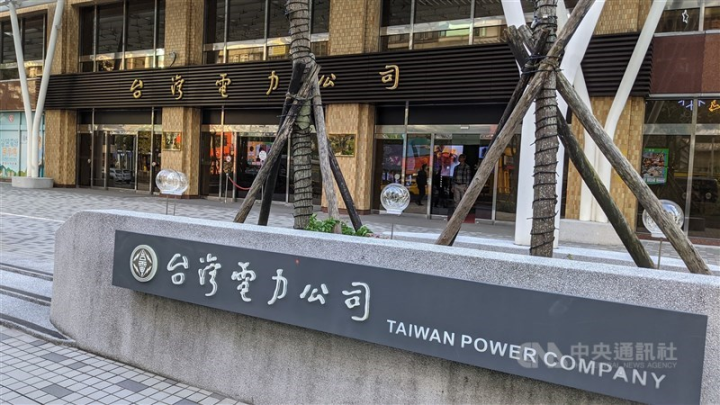
Taiwan Power Co. (Taipower), CPC Corp. Taiwan, Taiwan Sugar Corp., and Taiwan Water Corp. will be the main state-owned companies asked to submit proposals for salary increases.
Taiwan Sugar and Taiwan Water made profits of over NT$2 billion (US$64.42 million) and NT$100 million, respectively, in 2022, but CPC Corp. and Taipower both posted loses of over NT$200 billion, according to their financial reports.
March 18: Electricity rate hike will hamper industries, economy: business groups
May 26: Taiwan extends tariff cuts on imported commodities, goods
CPC Corp. and Taipower ran heavy losses because they were required by the government to absorb much of the increases in energy resource prices, especially for natural gas but also oil and coal, rather than charging consumers more for gasoline and electricity.
Just over 80 percent of Taiwan's electricity is generated from fossil fuels.
Before considering the salary increase, the companies have already considered year-end bonus plans, but those plans have yet to be finalized.