Written records indicate the presence of indigenous people inhabiting Taiwan for at least 8,000 years. Nowadays, according to the Hualien Indigenous People's Department, there are 16 recognized Taiwanese indigenous tribes, the most populous being the Amis, also referred to as the Pangcah. The combination of ancient culture, beautiful natural scenery, and creative environmental sustainability make the following Amis tourism options attractive to those wishing to delve into an often overlooked aspect of Taiwan's long history.
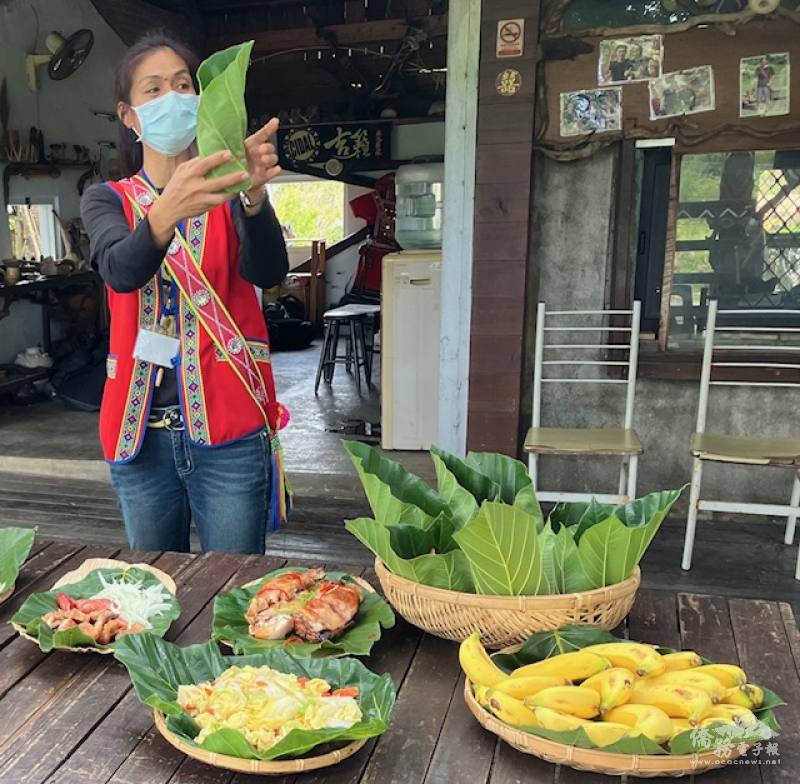
Only a half-hour drive from Hualien City, located in Hualien County, Taiwan's largest county, is Cidal Hunter School. Nestled in the heart of the Amis Shuilian Community (水璉部落), Cidal Hunter School boasts an archery range, a tree-top canopy, breezy wooden performance platforms, and access to a trail that leads deeper into the mountains and a remote camp. Founded by Fara Xijiang and his wife, Banai Falao, Cidal Hunter School -“Cidal” meaning both “sun” and “mother” - was founded with the intent to not only preserve Amis culture and professions, particularly the tradition of hunting, but also to promote environmental sustainability. While Cidal Hunting School was originally created in order to educate younger Amis people, it also welcomes respectful tourists interested in learning more about Taiwan's indigenous culture and history. At the school, visitors learn about the Shuilian Community and its history with the Dutch. Visitors can also weave traditional coconut leaf headdresses, make fires with bamboo, go rock and tree climbing, eat Amis barbecued pork and sausages, and, among a variety of other activities, go hunting using handmade traps or in accompaniment with a professional armed hunter. Cidal Hunter School is an all-encompassing, earnest experience created with passing down tradition in mind.
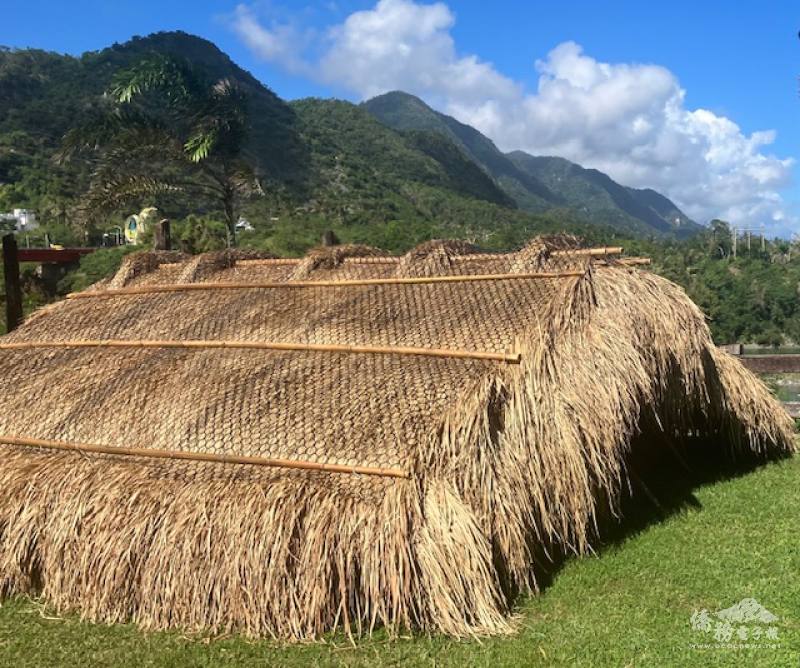
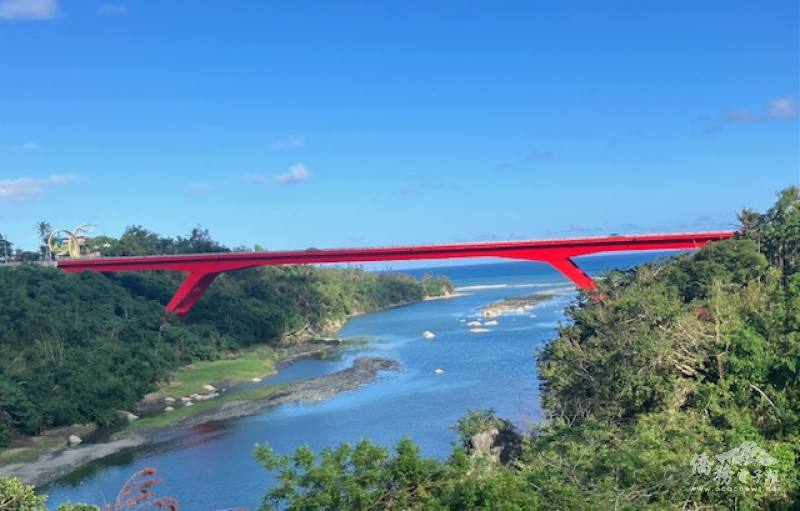
Only a three hour drive southwards takes visitors to Dong He (東河), locally known as Marongarong Tribe (瑪洛阿瀧部落). The Southern, or Taitung, Amis have different customs from the Northern Amis of Hualien. The Amis living in Marongarong Tribe offer a relaxing experience, particularly through reserved seasonal work-holiday trips. At Marongarong Tribe, visitors can take pictures of troops of monkeys passing through Old Donghe Bridge while on a peaceful hike, go kayaking on traditional bamboo rafts, dance and sing to the beat of traditional Amis songs, and relax under swaying long-grass open-air huts. Choosing to participate in a work-holiday contributes to the upkeep of the tribe while also helping educate tourists about Amis food, culture, and language. Working and staying with the Taitung’s Marong Rong Tribe also allows visitors to truly appreciate Southern Taiwan and the beautiful scenery. Set next to the open ocean, visitors can listen to the crashing waves and watch passing water buffalo graze below them in the valley.
Tourists interested in Taiwan's indigenous tribes have many options to learn from. The strong cultural presence of the Amis and other indigenous tribes in Taiwan underscore the importance of keeping these unique, ancient traditions and histories alive.