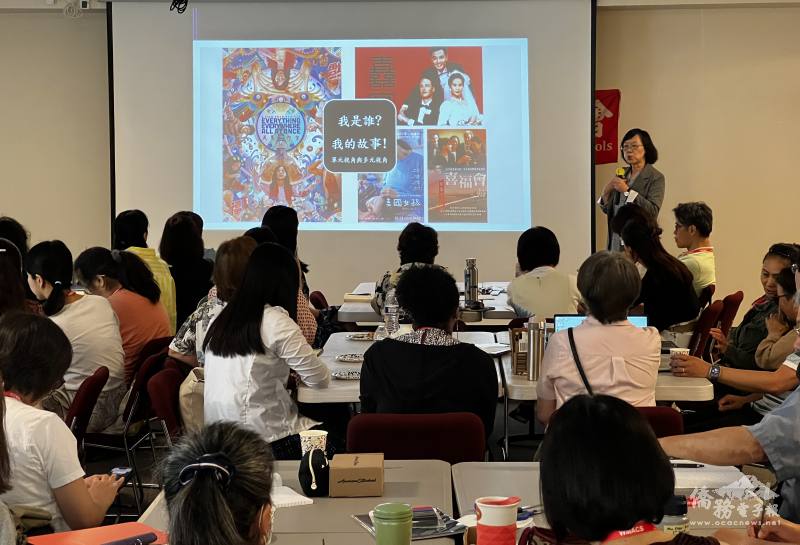
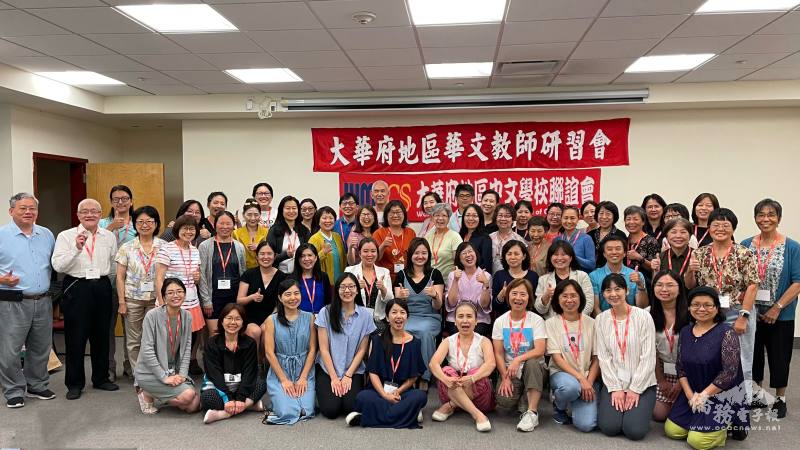
From June 22nd to 23rd, the “Greater Washington Area Overseas Chinese Teachers’ Workshop” was held at the Culture Center of TECRO in Washington, D.C. The event, hosted by the Washington Metropolitan Association of Chinese Schools (WMACS), attracted 60 teachers from 10 local Chinese schools in the Washington area.
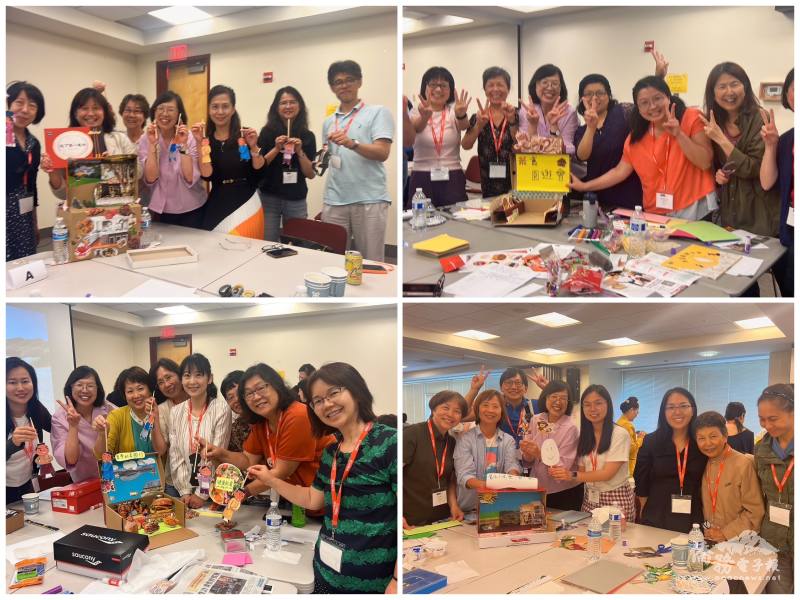
The two-day workshop was designed to introduce Taiwan’s AI trends into Chinese language teaching and to showcase new teaching methods. These included the integration of the six major knowledge themes of the International Baccalaureate Primary Years Programme (IB-PYP) into Chinese teaching, using the theme “Who am I?” as an example. The workshop also guided students to learn Chinese through the “Story Box Teaching Method” and discussed the “Visible Thinking” teaching method and AP Chinese image teaching method, with an emphasis on the application of observation and description in language teaching.
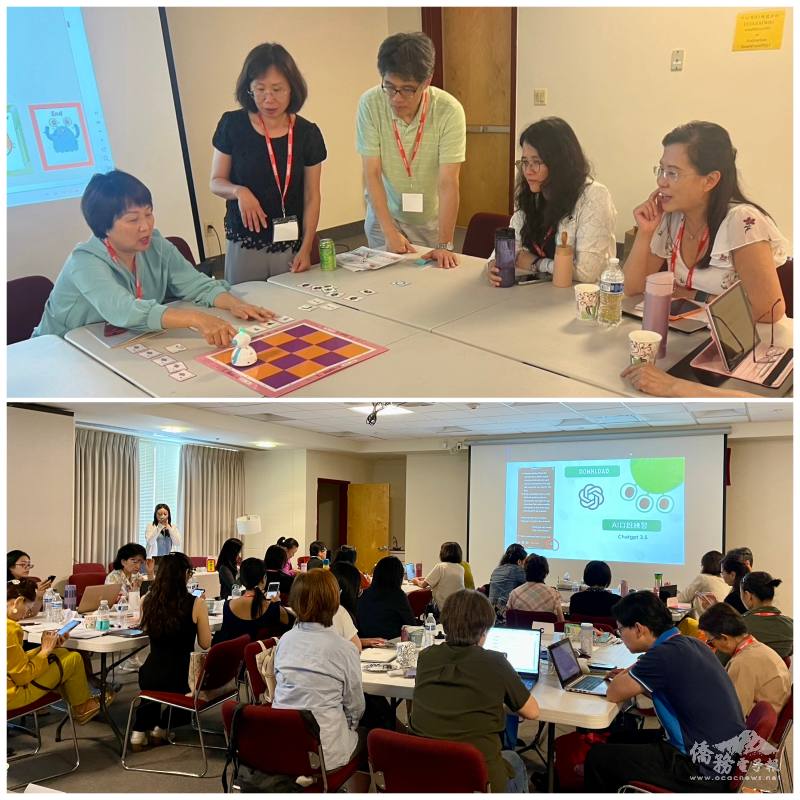
The highlight of the workshop was Taiwan’s innovative digital teaching tools, such as the T-Robot Children’s Digital Playground, which have been instrumental in streamlining the teaching process. It also showcased the use of Canva, an AI assistant, and ChatGPT for educational design and creativity.
The two-day workshop was rich in content. In particular, the courses about AI applications aroused the teachers’ enthusiastic response. The participating teachers stated that these new generation teaching methods and technical tools not only greatly improved teaching efficiency but also stimulated students’ interest in learning. Many teachers are eager to apply what they have learned to enhance their future teaching and improve classroom outcomes. They all expressed that they benefited greatly from this event and look forward to more such learning opportunities in the future.
This workshop not only provided a learning and exchange platform for Chinese teachers in the Greater Washington area but also enhanced the teachers’ teaching abilities and professional qualities through rich course content and advanced teaching methods. It showcased Taiwan’s strength in integrating new technology trends into overseas Chinese language teaching.