Chih-Yung Senior High School received a Merit Award in the 114th National High School Student Campus Publication Competition.
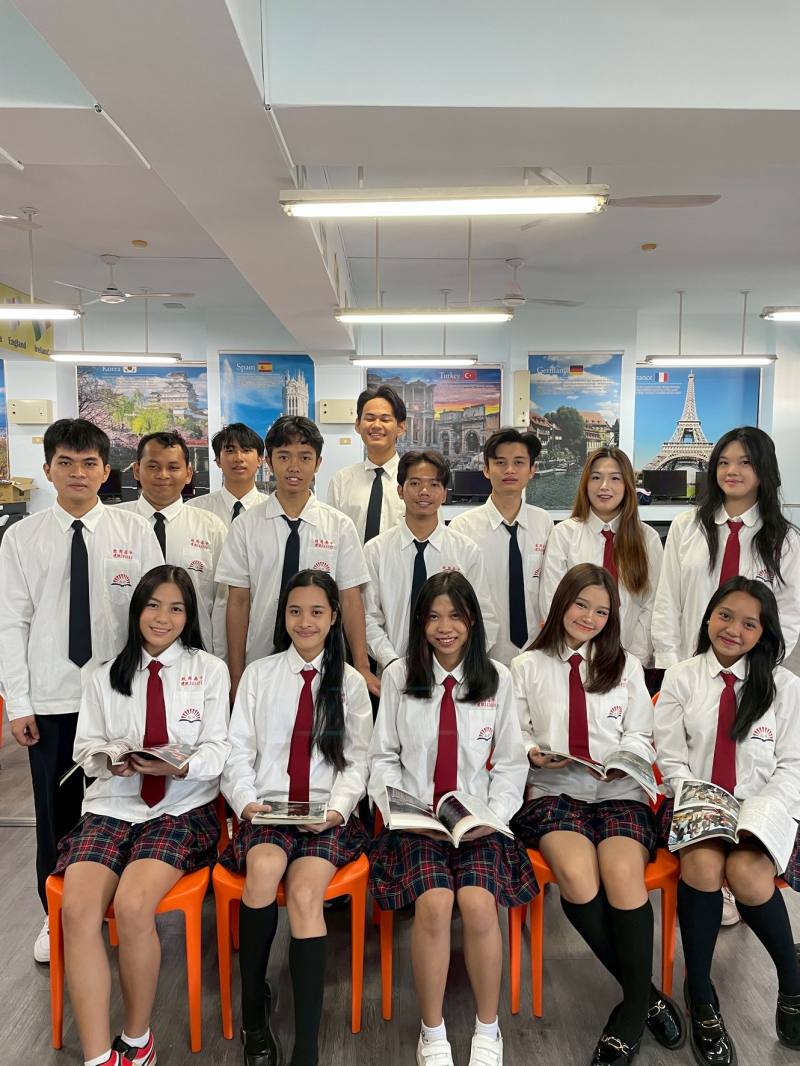
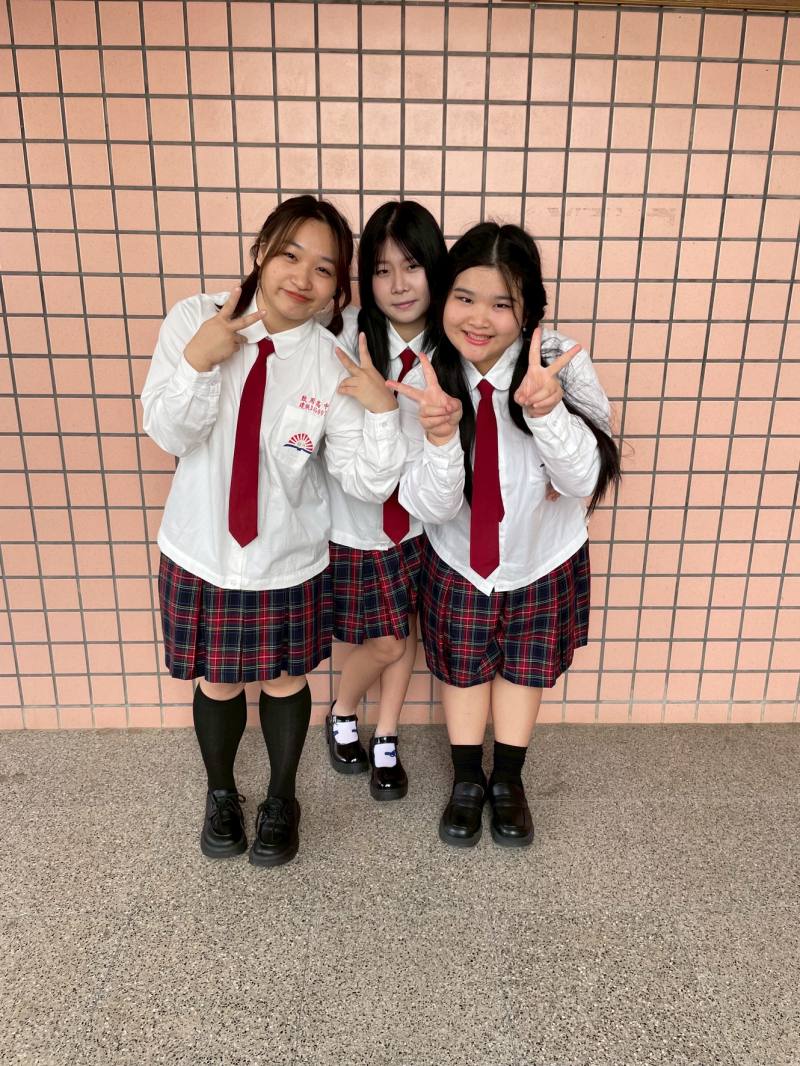
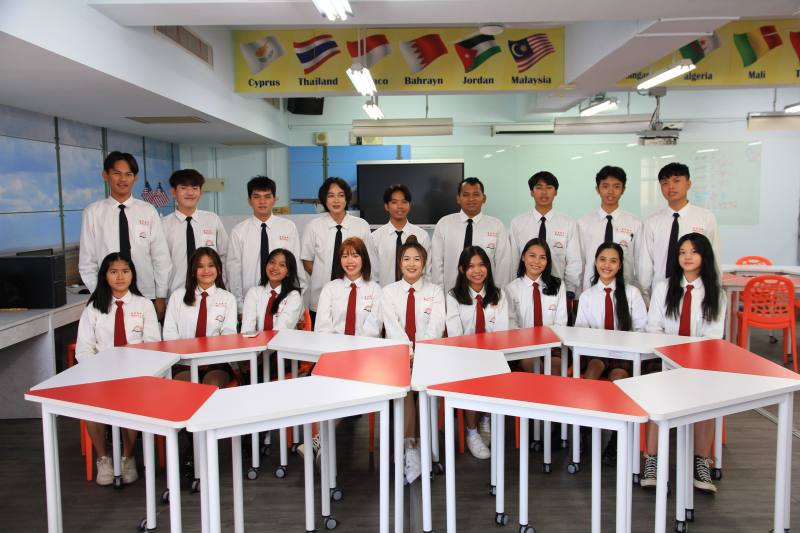
In response to the Overseas Community Affairs Council's initiative to promote the "Implementation Plan for Recruiting and Retaining International Students in Taiwan," our school recruited a total of 120 overseas students from Southeast Asia for the 113th academic year. These students are enrolled in the Information Technology and Baking programs and come from Vietnam, Cambodia, Indonesia, the Philippines, and Thailand. Starting from the 113th academic year, they have become our daily learning companions, sharing mornings and evenings with us as we grow together.
In the internship classrooms, on the playground, in the elevator, at the cafeteria, and even at every corner of the campus, you may encounter these new "freshmen." Their arrival has brought more vitality to our practical education, presenting a beautiful picture of cultural diversity and making campus life even more exciting. These overseas students are full of curiosity about their new learning environment. Every day, they are exploring and adapting, striving to start a brand-new way of life. As local students of this school, we are also filled with freshness and anticipation for these new classmates who have come from afar. Therefore, in this issue of the school magazine, the editorial team has specially interviewed several overseas students, hoping to help everyone better understand these companions with whom we share learning and life. Below is the content of our interview:
Jessica comes from Ho Chi Minh City, formerly known as Saigon, the largest city in southern Vietnam and the country's center of economy, culture, and education. Ho Chi Minh City retains many landmark buildings from the French colonial period, attracting visitors from around the world with its elegant European-style architecture.
Kevin is a classmate from Cambodia, and his hometown is Phnom Penh, the capital of Cambodia. Phnom Penh is the country's political, economic, cultural, and diplomatic center. Located at the confluence of the Mekong and Bassac Rivers, the city is renowned for its rich history, French colonial architecture, and rapidly modernizing urban landscape, earning it the title "Pearl of Asia."
Zitong comes from Toledo City in the Philippines. Toledo is located on the west coast of Cebu Province, facing the Tañon Strait. It is a city primarily known for its industry and fisheries. Toledo City boasts captivating natural landscapes and abundant resources, making it an important administrative district in Cebu Province.
Miaozhi, on the other hand, comes from Battambang, Cambodia. Battambang is the second-largest city in Cambodia, known for its abundant production of rice, durians, longans, and other tropical fruits, as well as fish products. Compared to Phnom Penh, Battambang has a more relaxed pace of life and a tranquil, rustic cityscape. However, the locally made bamboo railway, known as the "Bamboo Train," is a world-famous tourist attraction.
Yingzhen comes from Indonesia, known as the "Land of a Thousand Islands." She grew up in Medan, a city located on the westernmost island of Indonesia, Sumatra. Medan is the fourth-largest city in Indonesia and serves as the economic, cultural, and transportation hub of Sumatra. With its rich history, diverse cultural background, and strategic geographical location, Medan attracts visitors from around the world with its unique culture and natural resources.
Q: How did you learn about the opportunity to study in Taiwan?
Kevin: I already knew that Taiwan's technological development is very advanced, and my interest and expertise lie in the field of computer information. I believed studying in Taiwan would help me enhance my skills in this area. Fortunately, my school teacher introduced the opportunity for overseas students to pursue higher education in Taiwan, along with scholarship support. I thought it was a great chance . Additionally, my family fully agreed and encouraged me, so I decided to study in Taiwan.
Jessie: I had heard about Taiwan's cooperative education system, which not only allows students to earn a degree but also offers internships, sometimes with a salary to support living expenses. At that time, there was an application channel available, and my family also believed it was an excellent opportunity. So, I came to Taiwan to study.
Zitong: My teacher introduced me to information about scholarships for studying in Taiwan. Due to family reasons, I decided to come here, hoping to take on some responsibilities and support my family.
Q: What differences do you notice between attending classes here and in your home country?
Miaozhi: In Taiwan, there are many extracurricular activities, such as field trips, outdoor teaching, and various competitions, making campus life very vibrant and exciting. Regarding daily schedules, in my country, we don’t have a midday nap time or activities like cleanliness and order competitions. There’s also no need to worry about losing points for such things...
Yingzhen: In Taiwan, the school learning environment emphasizes order and efficiency, and class hours are much longer. In Indonesia, we only have half-day classes. However, the extracurricular activities here are refreshing and interesting, making campus life very fulfilling.
Q: What has been your most memorable or interesting experience at school so far?
Zitong: The most unforgettable experience was the school-organized outdoor training activity. We don’t have anything like that in my country, and it was both very interesting and full of challenges.
Kevin: I also found the outdoor training activity especially fun; it was an unforgettable experience. Additionally, the school barbecue event left a deep impression on me. Even though it was really hot that day, everyone grilling and chatting together created such a wonderful atmosphere.
Q: Your Mandarin is very good! How many years have you been learning Chinese? Are your parents Chinese?
Miaozhi: I’ve been learning Chinese for about four years, studying at a local Chinese school. My grandparents are Chinese, but my father doesn’t speak Mandarin. He hopes I can master the language to have an advantage in both further education and future job opportunities.
Jessie: I started learning Chinese when I was six years old. My parents are very supportive, and I also enjoy watching Chinese dramas and listening to Chinese songs. Now, communicating and chatting in Mandarin isn’t a problem for me at all.
Q: What has been the most difficult thing to adapt to in Taiwan?
Zitong: For me, the hardest thing to adapt to is the language. There’s no denying that Chinese is really challenging. In class, I sometimes can’t fully understand what the teacher is saying, but thankfully my classmates are very helpful. Those who are good at Chinese often help translate for me so I can keep up with the lessons.
Kevin: I think the food is the hardest part to adapt to. Taiwanese cuisine is relatively mild in flavor, so some classmates bring their own sauces to add more taste. Also, Chinese characters are quite difficult for me. Speaking and communicating are manageable, but when it comes to writing, I often add or miss a stroke.
Yingzhen: I find the garbage sorting rules very strict, and the pace of life is faster. Additionally, in the dorms, the bathrooms and toilets are separate, which makes morning routines a bit inconvenient for us.
Q: What is the main religion in your country?
Miaozhi: The main religion in our country is Buddhism. However, I feel that religious activities in Taiwan are much more lively, such as temple processions, pilgrimages, and purification rituals. The scale is truly spectacular. We also have temple festivals in my country, but they’re not as diverse as those in Taiwan.
Jessie: Most people in my country also practice Buddhism. I find the religious activities in Taiwan very interesting, and the participants are so enthusiastic. It’s been an eye-opening experience for me.
Q: What do you like to do for leisure or entertainment after class?
Kevin: After class, I enjoy running on the track, and on weekends, I go to visit the Dajia Night Market. The night markets in Taiwan are really lively, with many unique snacks and a wide variety of products.
Yingzhen: During my leisure time, I like reading comics and listening to Chinese songs. Listening to music helps me improve my Chinese language skills as well.
Q: What is your favorite Taiwanese food?
Miaozhi: I really like Taiwanese fruits, but not including pineapple and mango. There's also a drink called "Kyoho grape slush," which is absolutely delicious!
Kevin: My favorite Taiwanese snacks are corn egg pancakes and fried shiitake mushrooms. Recently, I’ve also fallen in love with stinky tofu. The taste is really unique!
Yingzhen: I also like stinky tofu. In addition, I think beef noodles and red bean cakes are also very tasty.
Q: Do you stay in touch with your family every day? What do you miss the most about your hometown?
Jessie: I talk to my family every day via video call, sharing the interesting things I’ve encountered in Taiwan. However, I still miss my hometown, especially the home-cooked meals my mom makes. Each dish makes me feel especially nostalgic.
Zitong: I also stay in touch with my family every day, sharing little moments from school life. What I miss the most is my family and the traditional festivals in my hometown.
Q: After completing your high school studies, do you plan to return to your home country or stay in Taiwan?
Kevin: I hope to stay in Taiwan and continue my studies at university, focusing on the field of information technology. In the future, I want to find a good job and help ease the financial burden on my family.
Yingzhen: I plan to complete my university studies in Taiwan, and afterward, I’ll decide based on the situation whether to stay in Taiwan or return to my home country. For now, I hope to learn more skills and prepare for my future development.
Through this interview, have you gained a deeper understanding of the international students? These students have left their hometowns, nearly 2,000 kilometers away from Taiwan, to come to Chih-Yung to study, learn, and work hard together with us. This must be a special fate, and their spirit of striving for success and courage in facing challenges is truly something we can learn from and admire. Their presence not only broadens our horizons but also gives us the opportunity to experience the charm of diverse cultures, making the campus life at Chih-Yung more colorful and enriching. We hope that international students will receive the best care and education at Chih-Yung, making this an ideal place for students from different countries and cultures to encourage each other and grow together, leading every student to take a more solid step toward internationalization.