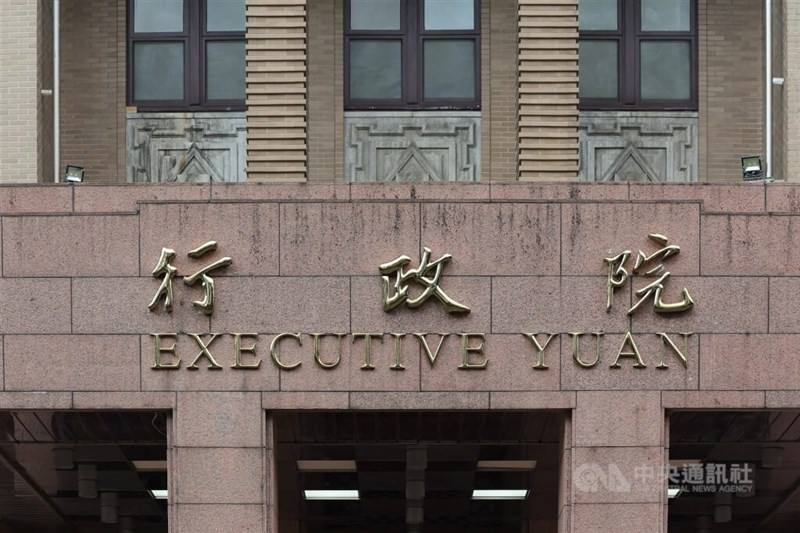
Taipei, Dec. 14 (CNA) The Cabinet is set to refuse to countersign and promulgate amendments to Taiwan's revenue-sharing law on Monday, a move that would mark the first time such action has been taken, according to a report by the Taipei Times on Sunday.
The amendments, backed by opposition parties including the Kuomintang (KMT) and the Taiwan People's Party (TPP), would change how tax revenue is allocated between the central and local governments.
After the Legislature passed the amendments in November, the Cabinet requested a reconsideration, arguing that the changes could not be implemented. The request was rejected on Dec. 5, requiring the Cabinet to promulgate the legislation by Dec. 15 under normal procedures.
However, the Cabinet has said the amendments would force the central government to borrow beyond the legal debt ceiling starting in 2026, making them unworkable.
Citing an unnamed source, the Taipei Times reported that the Cabinet has decided not to countersign or promulgate the amendments. Premier Cho Jung-tai (卓榮泰) is expected to announce the decision in accordance with the Constitution, with the source saying the move reflects the Executive Yuan's responsibility as a constitutional body.
Democratic Progressive Party (DPP) caucus Director-General Chung Chia-pin (鍾佳濱) told CNA that the decision would act as a safeguard against a potentially unconstitutional law, noting that the Constitutional Court is currently unable to conduct constitutional review.
Chung added that if the Legislature disagrees with the Cabinet's decision, it could initiate a no-confidence motion, which he said would also follow constitutional procedures. He rejected claims that the move amounted to authoritarianism.
Opposition lawmakers criticized the Cabinet's plan. TPP Chairman Huang Kuo-chang (黃國昌) said at a press conference Sunday that refusing to countersign a law passed by the Legislature would amount to a "constitutional disaster."
Huang said the countersignature system was designed to balance presidential power when the premier required legislative approval. Under the current system, in which the premier is appointed by the president, he said refusing to countersign legislation undermines democratic principles.
KMT caucus Deputy Secretary-General Lin Pei-hsiang (林沛祥) echoed the criticism, calling the move a "distortion of the Constitution" and a "slap in the face" to the president.
Lin said the Cabinet should instead urge President Lai Ching-te (賴清德), who also serves as chair of the DPP, to engage in dialogue with opposition leaders to resolve differences and refocus on governance, public welfare and international relations.