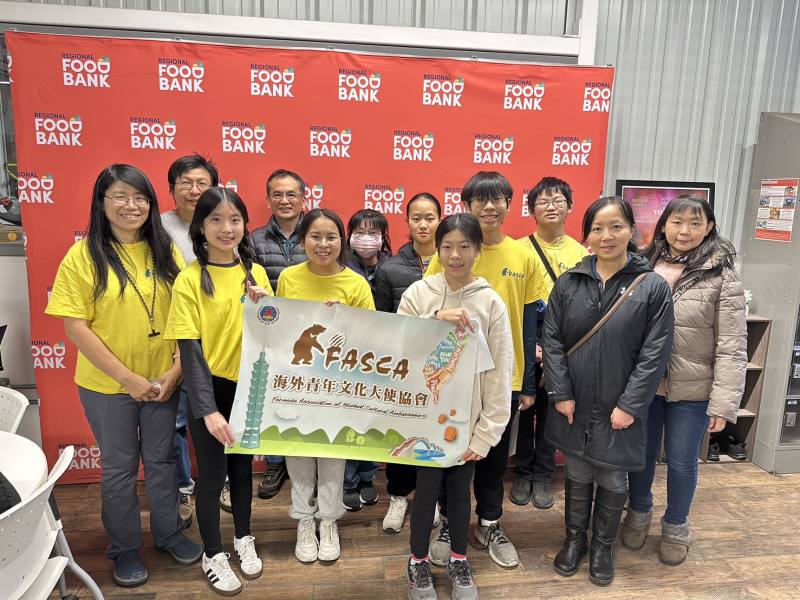
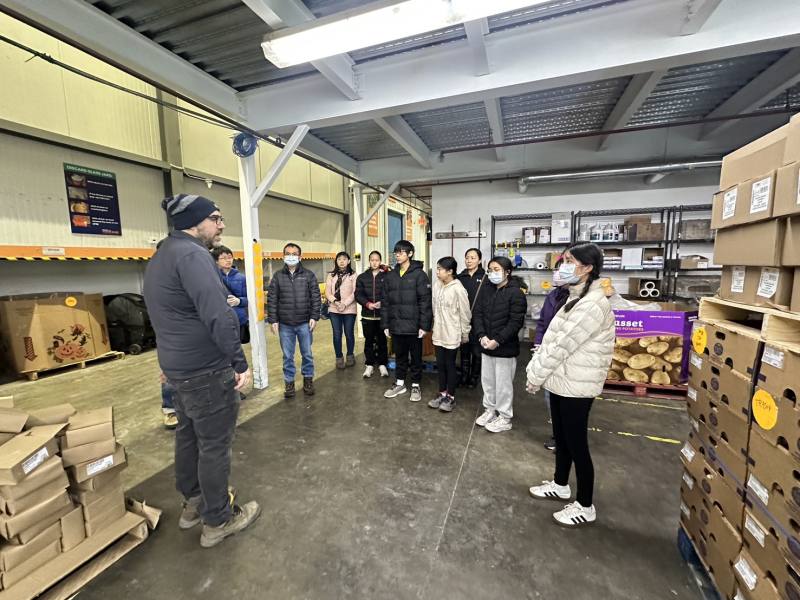
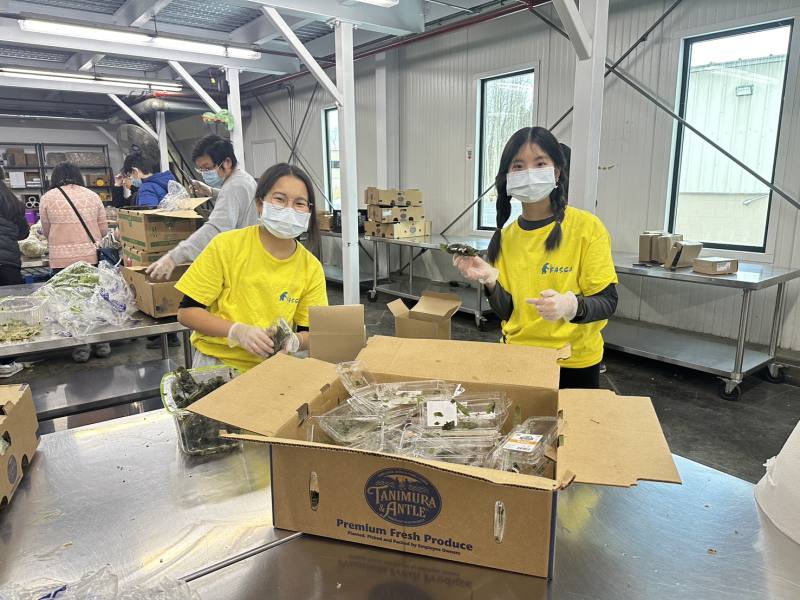
Every year toward the end of the year, FASCA members participate in community service activities that allow them to give back to society while developing leadership and civic responsibility. In December 2025, FASCA members volunteered at the Regional Food Bank of Northeastern New York, a non-profit organization dedicated to feeding the less fortunate across 23 New York counties, nearly half of the entire state. The organization relies on donations from generous community members and has helped distribute food to more than 350,000 individuals in need. Through this long-term community partnership, FASCA members gain direct exposure to food insecurity and waste reduction efforts that affect many families in the mainstream community.
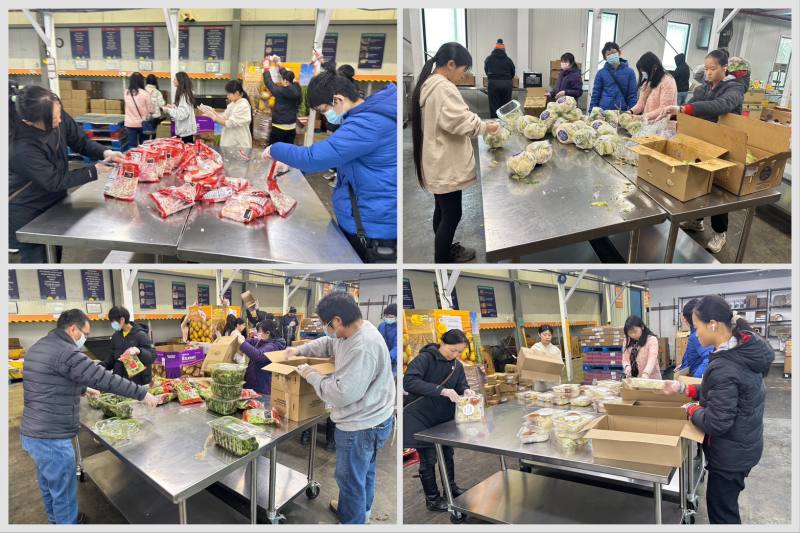
Each volunteer visit to the food bank involves different responsibilities based on operational needs. During this visit, the Albany FASCA chapter was assigned the task of disposing of expired food by separating food waste from its containers, as well as from other individually packaged items such as sauces. Although the work area had a strong and unpleasant odor, members remained focused, responsible, and committed to completing the task properly. Students worked efficiently as a team, supporting one another and maintaining a steady workflow throughout the session. Their productivity was so notable that an additional container had to be placed on top of the original one to accommodate the increasing volume of discarded items. Some observant FASCA members further improved efficiency by consolidating food waste from smaller bags into larger containers.
Beyond the physical labor, the experience encouraged reflection among the FASCA members. Many volunteers developed a deeper appreciation for the behind-the-scenes efforts required to support large-scale food assistance programs. The activity highlighted the coordination, physical labor, and accountability involved in nonprofit operations that are often overlooked by the mainstream public. For many students, this service opportunity also served as a valuable leadership experience, allowing them to take initiative, solve problems, and contribute meaningfully to community needs.
One FASCA member shared that despite the challenging conditions, the group demonstrated strong resilience and teamwork, especially when handling tedious and physically demanding tasks. Another student described the experience as eye-opening, explaining that it provided hands-on understanding of the scale of food waste and offered insight into the daily operations of a regional food bank. These reflections emphasized the importance of youth participation in addressing real-world social issues through direct service.
Parents and other volunteers who participated also shared their perspectives. One parent remarked that the experience created a valuable opportunity to reinforce the importance of reducing food waste with their child, discussing how food can still be responsibly used even when it is no longer suitable for human consumption. The collaborative environment strengthened connections among students, families, and community organizations, reinforcing the value of community partnership.
Overall, the event was a great success. The work was carried out so efficiently that three separate bins were allocated to support the volunteers’ efforts. Although participants were physically tired by the end of the session, it was clear that they found the experience highly rewarding. Activities like this reflect FASCA’s commitment to leadership development, youth empowerment, and community partnership. By engaging in hands-on service that addresses mainstream community needs, FASCA members continue to grow as responsible leaders while making a positive and lasting impact.
Reported by Austin Li (Albany FASCA)