文|陳群芳 圖|莊坤儒
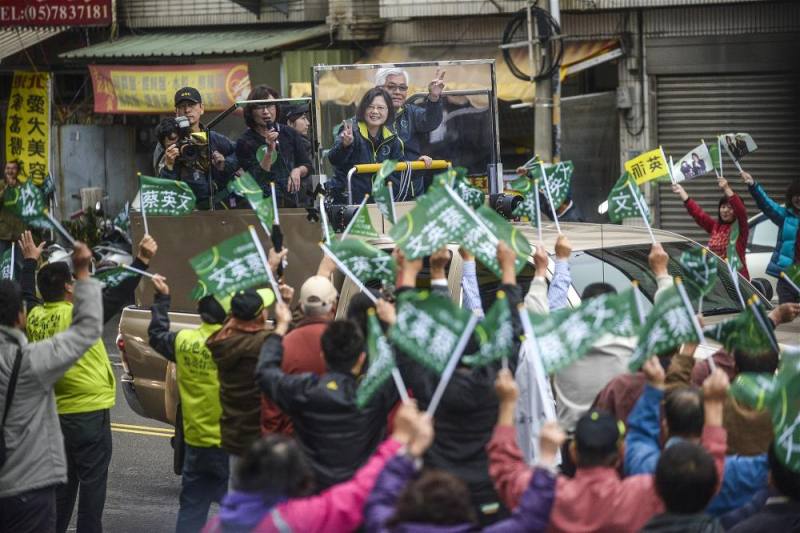
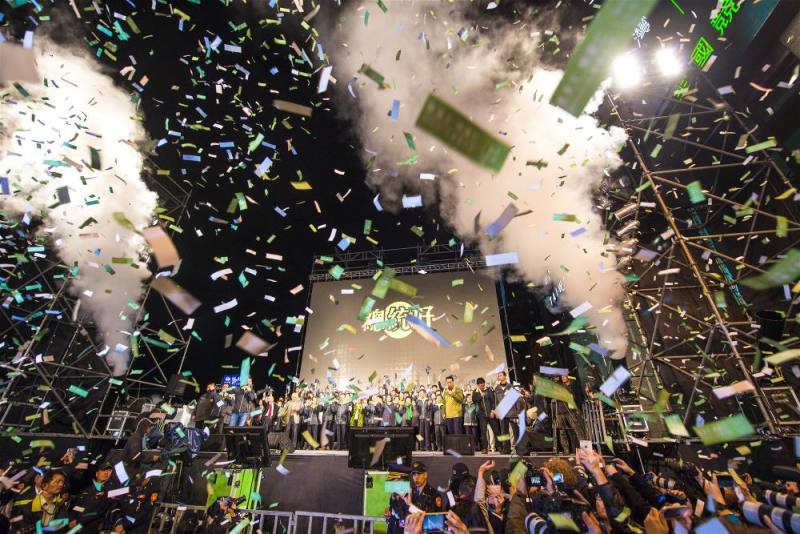
日本學者渡邊將人在《臺灣的民主》一書中,形容台灣的選舉已發展成全球矚目的民主嘉年華會。的確,每逢選舉,台灣的街頭就充斥著競選看板、佇立路口揮手的候選人、掃街拜票的宣傳車、揮旗鳴笛的選民等,交織出飽滿的生命力。然,選舉活動不只有喧囂與狂熱,走過總統直選30年的台灣,正進行著一場「以人為本」的美學革新。
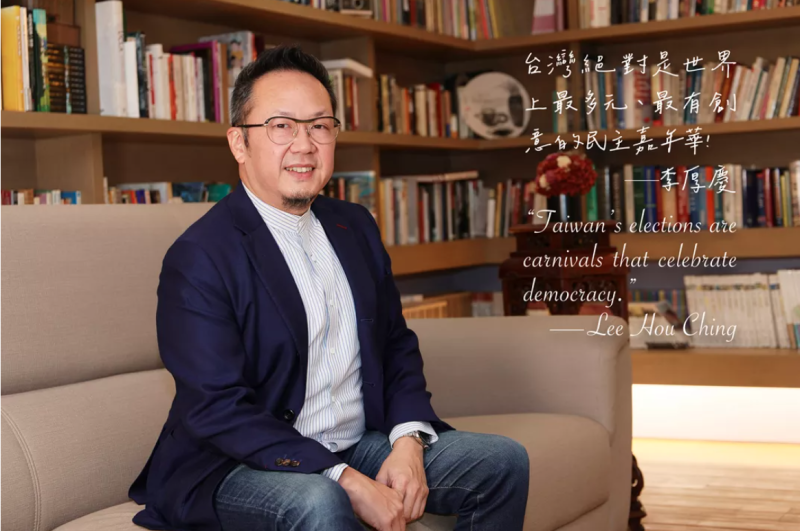
「生猛的冒險家精神本來就存在於台灣人的DNA!」文化總會秘書長李厚慶從歷史脈絡中分析台灣對於選舉的熱衷,當年祖先跨越黑水溝來台打拚,就是場生猛的冒險,只是這股能量被不同時代的政權所壓抑。他指出,隨著民主制度成熟,被壓抑的能量全面釋放,人們用選票、倡議去尋求更好的未來,讓公共事務的參與變得自由奔放。
選舉文宣的轉捩點:從嚴肅悲情到有個性的Lifestyle
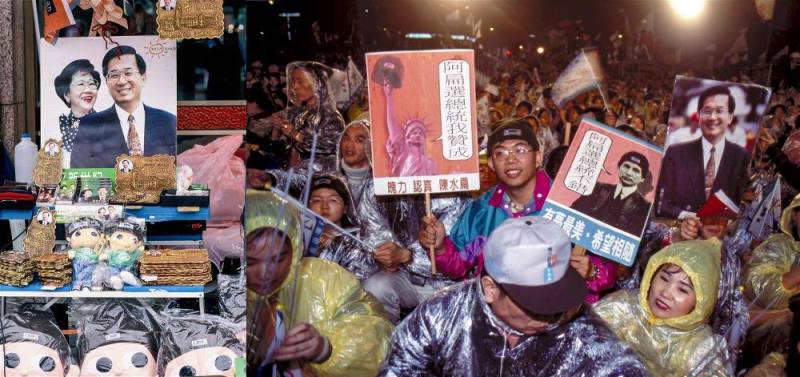
回顧台灣選舉文宣的轉變,曾任選舉幕僚的李厚慶分享自身經驗與觀察,可分為三個階段:1994年台北市長選舉,陳水扁提出新口號「快樂、希望」,跳脫以往政治的嚴肅與悲情,並推出朗朗上口的競選歌曲,以及介紹候選人故事的文宣手冊《木瓜乾與大冰箱》。「那時就有建立『人設』的概念,我覺得是文宣一個很重要的分水嶺。」李厚慶說。
2010年同樣是台北市長選舉,候選人蘇貞昌陣營推出《Open Taipei》城市概念專輯,收錄饒舌、民謠等多樣曲風,從視覺設計跨足影像製作,甚至實驗性地推出競選影集,透過影音跟臉書社群,傳播候選人的理念,打破跨界框架。
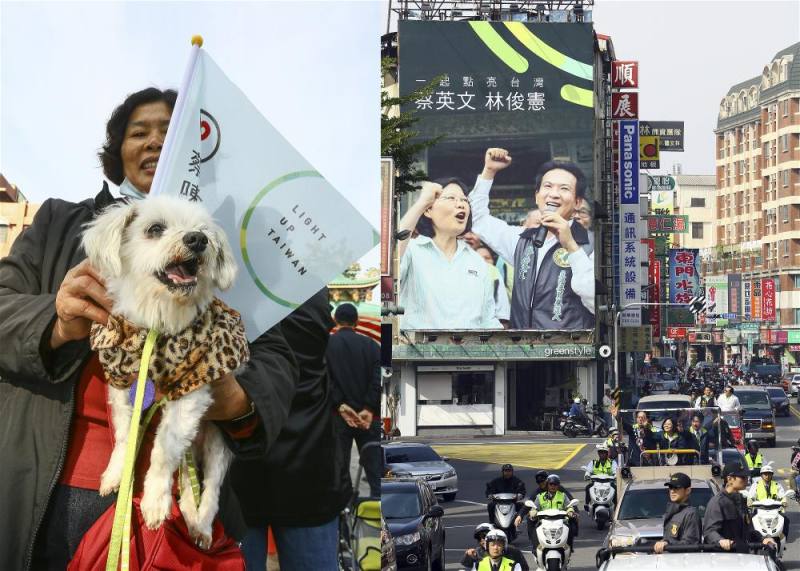
到了2016年總統大選,蔡英文的競選團隊邀請設計師聶永真建立完整的主視覺識別系統,規劃字體、色彩等的運用,並將文宣品升級為大眾願意排隊收藏、展現自我認同的生活小物,是首度將台灣的設計能量系統性地運用在選舉。
時至今日,設計已成了選戰的「標配」,且有越來越多的新一代設計師投入。不論是文青咖啡廳風格的競選總部,還是結合主題遊行的造勢活動,選舉已變成常民生活的一部分。
選務現場的寧靜革命:以人為本的設計美學
不論選前之夜如何激昂,投票當天,民眾展現驚人的自律,冷靜地走進投票所,審慎投下選票。而這場成熟的民主實踐背後,還有台灣設計研究院(以下簡稱「設研院」)與中選會合作的公共美學革新。
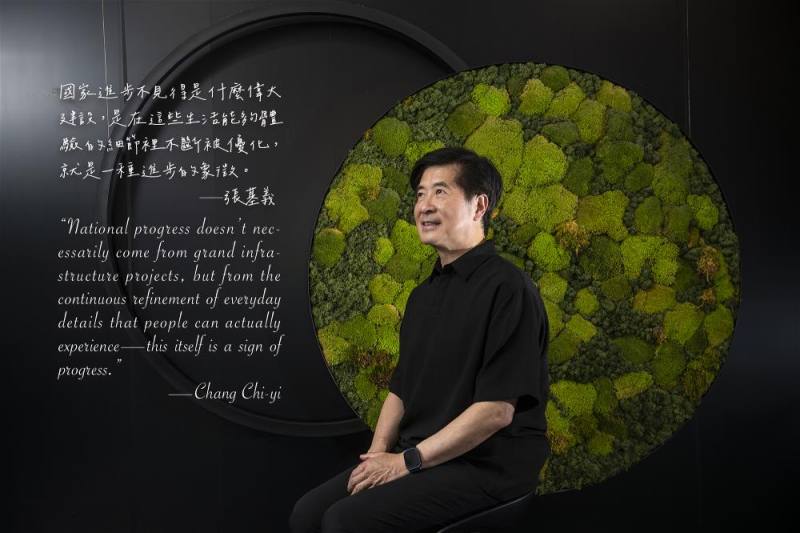
「2020年台灣創意設計中心升格為台灣設計研究院後,民眾在臉書許願:台灣最需要設計的是選舉。」設研院院長張基義坦言,選務很敏感,導入美學的困難度也高,但選舉是民眾高度參與的事情,所以決定勇敢向中選會敲門。
不盲目追求視覺上的「美」,而是秉持「以人為本」的科學態度,解決民眾痛點。設研院先從選舉公報著手,在原預算、原法規的既有條件下,將原來綿長的兩欄改為好摺疊閱讀的塊狀多欄,字體由楷書改為清晰的黑體,並把繁複的投票流程圖改為直覺好懂的3D視角圖。電子版公報也因應手機載體,而重新優化排版。
煥然一新的選舉公報,榮獲2022年金點設計獎,讓設研院有信心續推投開票所的優化。過往尺寸不一、五顏六色的選務標示,被統一規格的模組化標示取代;部分紅底黑字改為白底紅字,降低紅色的使用總量,減輕環境視覺負擔。甚至連電視政見發表會的背景、當選證書的設計,都在減法思維下變得莊重而有次序感。如今這套選務美學系統,已逐步在全台落地,中選會還榮獲世界選舉機關協會(A-WEB)頒發「選務實踐及創新獎」。
從民間造勢的熱情奔放,到投票場域所營造的冷靜內斂,設計與公共事務的連結,映照出台灣這塊土地無可取代的自由與包容。正如李厚慶向國際友人發出的誠摯邀請:「如果投票是一場民主的嘉年華,那台灣絕對是世界上最多元、最有創意的民主嘉年華。因為在台灣,民主早已成為我們生活的一部分。」
W henever there’s an election in Taiwan, local streets burst into activity with a bewildering array of campaign billboards, vehicles broadcasting slogans and soliciting votes, and enthusiastic voters waving flags or sounding their car horns. However, elections in Taiwan are not just characterized by noise and frenetic energy. Thirty years on from our first direct presidential election, Taiwan’s electoral culture is witnessing an aesthetic sea change that reflects the needs and concerns of the public.
A bold, intrepid spirit has always been part of the Taiwanese DNA,” says Lee Hou Ching, secretary general of the National Cultural Association of Taiwan. It’s just that the raw energy was repressed under successive authoritarian regimes. Analyzing the Taiwanese people’s fervor for elections from a historical perspective, Lee tells us that this pent-up force has finally been released as our democracy gradually matures, hence the dynamic character of local civic engagement.
The evolution of campaign materials
Lee, who formerly served as a campaign advisor, casts his eye over the evolution of campaign materials in Taiwan. He divides it into three stages. In 1994 Chen Shui-bian, standing for mayor of Taipei, employed the upbeat slogan “Happiness, Hope, Chen Shui-bian” to counter the solemnity and gloom with which local politics had been associated. He also distributed booklets to tell his story to the public. “This established the concept of crafting a candidate’s political image, and I think it marked a watershed for campaign materials,” Lee says.
In 2010, again during a Taipei mayoral election, Su Tseng-chang’s team moved from visual design into video production by launching Open Taipei, a collection of music videos dedicated to Taiwan’s capital city. Crossing traditional media boundaries, they even experimented with film series and promoted Su’s political vision through short-form videos and Facebook.
During the presidential election of 2016, Tsai Ing-wen’s team commissioned designer Aaron Nieh to fashion a visual identity for their campaign. They upgraded their campaign materials by designing popular objects which gave expression to Tsai’s persona. This was the first election campaign in Taiwan to channel local creative energy in a systematic way.
From campaign headquarters decorated in the style of arty cafes to rallies featuring themed parades, design has become an essential part of modern election campaigns in Taiwan.
Aesthetic reforms
No matter how heated election-eve rallies may be, the public display remarkable self-discipline when they turn up at polling stations to cast their votes. Contributing to this mature democratic scene is a reform of electoral aesthetics led by the Taiwan Design Research Institute (TDRI) in collaboration with the Central Election Commission (CEC).
Chang Chi-yi, president of the TDRI, says that matters related to elections can touch sensitive nerves, and introducing aesthetic concepts into elections is especially challenging. Nonetheless, considering the high level of public participation in electoral affairs, the TDRI took the initiative to approach the CEC for collaborative opportunities.
Putting people at the center, and aiming to address the most pressing issues, the TDRI began by reforming the election bulletins. Working within existing budgets and regulations, they changed the two-column layout to a more readable four-column format, replaced the traditional calligraphic typeface with a sans-serif font, and transformed complex voting flowcharts into easy-to-understand 3D-style illustrations.
The revamped election bulletin won a 2022 Golden Pin Design Award, giving the TDRI the confidence to forge ahead with improving polling stations. The previously multicolored election signage gave way to standardized signs, on which black text on red backgrounds was replaced by red text on white backgrounds. The new color scheme reduces the use of red and is easier on the eye. Even the backdrops for televised policy presentations and election certificates have been given new, minimalist looks, which exude a dignified and rational charm. These new designs are being implemented across Taiwan, and the CEC has received a Best Practices and Initiatives Award from the Association of World Election Bodies.
From passionate rallies to the calm and restrained atmosphere that reigns on polling day, the link between design and public affairs sheds light on Taiwan as a free and inclusive society. Lee’s comment is apt: “If elections may be seen as carnivals that celebrate democracy, then those in Taiwan are absolutely the most diverse and creative carnivals in the world. After all, here in Taiwan, democracy is by now well and truly woven into the fabric of our daily lives.”
嘉義噴水池的拚場:最民主的街頭風景
說到台灣選舉嘉年華的經典,絕不能錯過嘉義中央噴水池的選前之夜。不同陣營的人馬會各據圓環一方,凝聚選民,彼此較勁、互尬氣勢。「這背後有深刻的歷史與地理脈絡,」李厚慶解釋,噴水池自日治時期就是都市核心,且嘉義在228事件中受創最深,造就了嘉義人對民主的熱情。奇特的是,拚場雖然激進,卻有一條隱形底線──「大家是為了表達支持、拚場、拚氣勢,而不是要消滅對方。」被稱作「民主聖地」的嘉義,展現了台灣最獨特的民主風景。
Rallies in Chiayi, the Sanctuary of Democracy
One of the most iconic spectacles of Taiwan’s electoral culture is the election-eve rally at the Central Fountain in the Southern Taiwanese city of Chiayi. Here, rival camps take up positions at the roundabout, attempting to outdo each other in enthusiasm. Lee Hou Ching tells us that the fountain has been the heart of Chiayi since the Japanese colonial era (1895–1945). The fact that Chiayi was one of the areas that suffered most in the February 28 Incident of 1947, Lee says, accounts for the locals’ passion for democracy today. What’s noteworthy is that despite the fierce sense of rivalry, people here share a fundamental belief: “They come here to show support and compete in terms of morale and momentum, rather than to eliminate their opponents.” Dubbed the Sanctuary of Democracy, Chiayi embodies Taiwan’s distinctive democratic culture.
本文轉載自《台灣光華雜誌》
來場民主嘉年華!選舉裡的美學體驗
https://pse.is/9embm8