文|鄧慧純 圖|林格立
世界上許多城市,都有一個足以代表自己的節日,日本京都有祇園祭,德國有慕尼黑啤酒節。它們之所以令人難忘,不只是因為熱鬧,而是整座城市的人都投入其中。
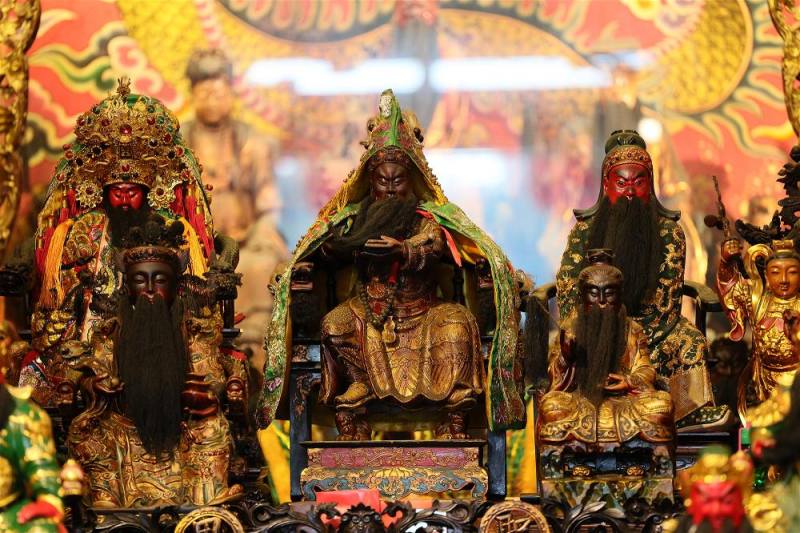
桃園的大溪,也有這樣一個節日,被在地人暱稱為「第二個過年」的迎六月廿四,是整個城鎮都放下手邊工作,幫關聖帝君慶生的祭典。
整座城鎮一起歡騰
距離農曆六月廿四還有一段時間,大溪便已提前進入節慶模式,慶典籌備在六月初一拉開序幕。普濟堂廟方召開籌備會,確定遶境路線,張貼請神告示,還有俗稱「洗廟」的大掃除,準備迎客神等事宜。
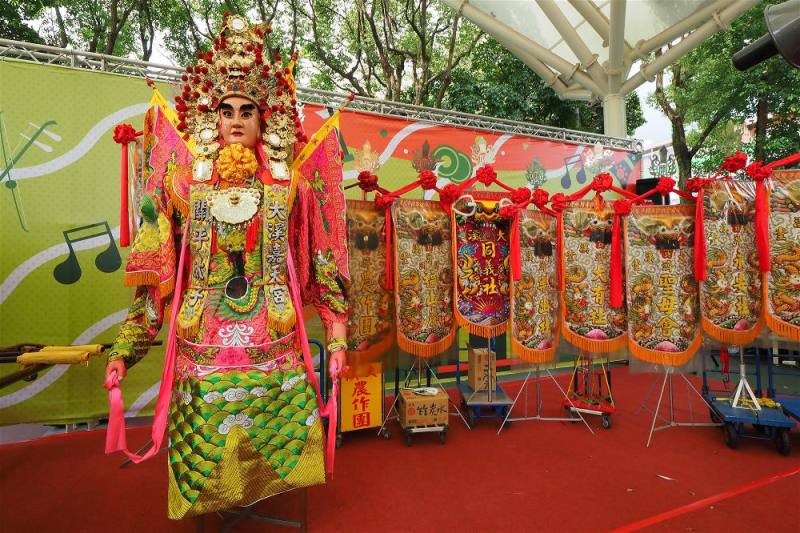
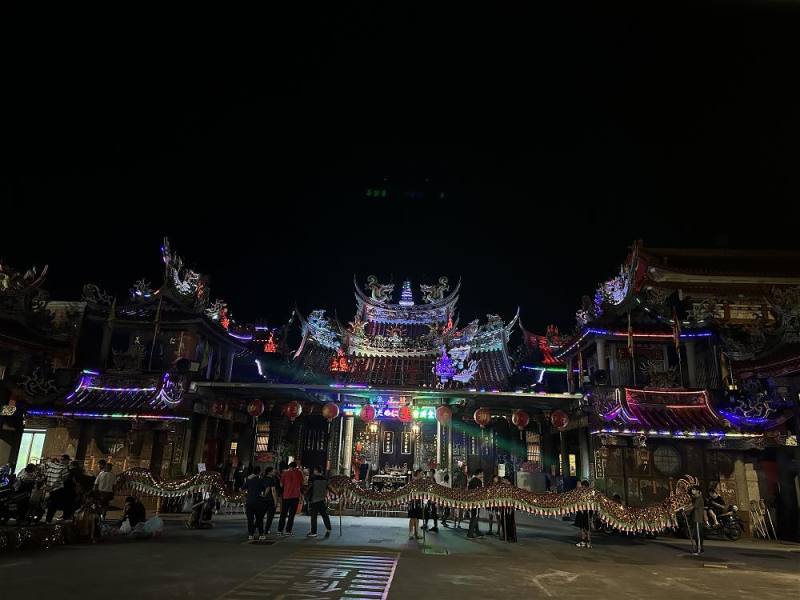
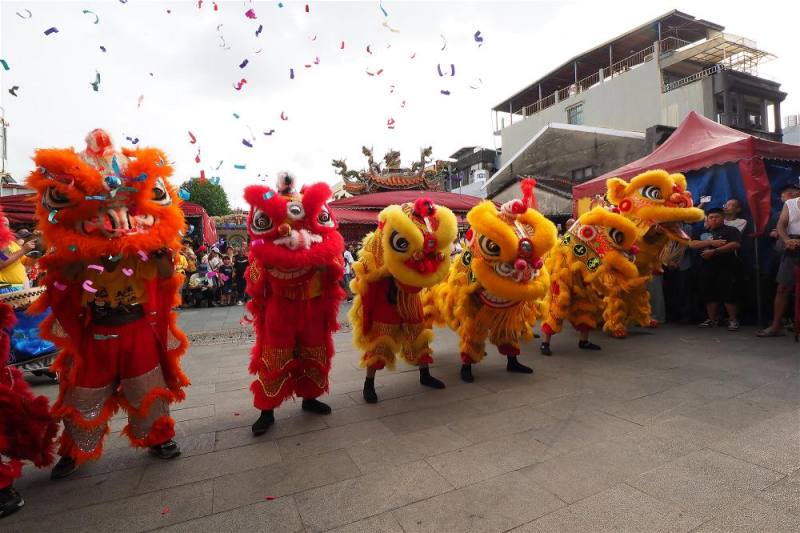
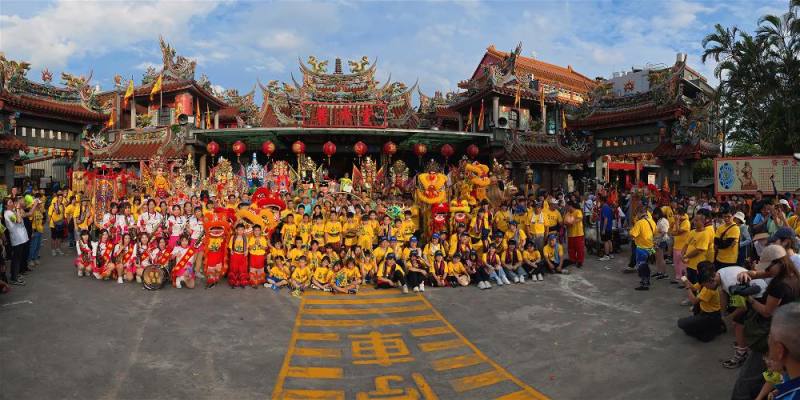
民間各社團也陸續開始陣頭練習,成員平日照常上班,夜晚,廟埕卻熱鬧起來,神龍陣、將軍組善用時間走位練習,北管、鑼鼓的聲音再次迴盪在街頭巷尾。適逢暑假,在外求學的年輕人也都返鄉,重新站回從小熟悉的位置。隨著日子一天天接近(今年是國曆八月五號六號兩天),整座小鎮的節奏,慢慢轉向同一件事,為關聖帝君聖誕祝壽。
一場百年的團結
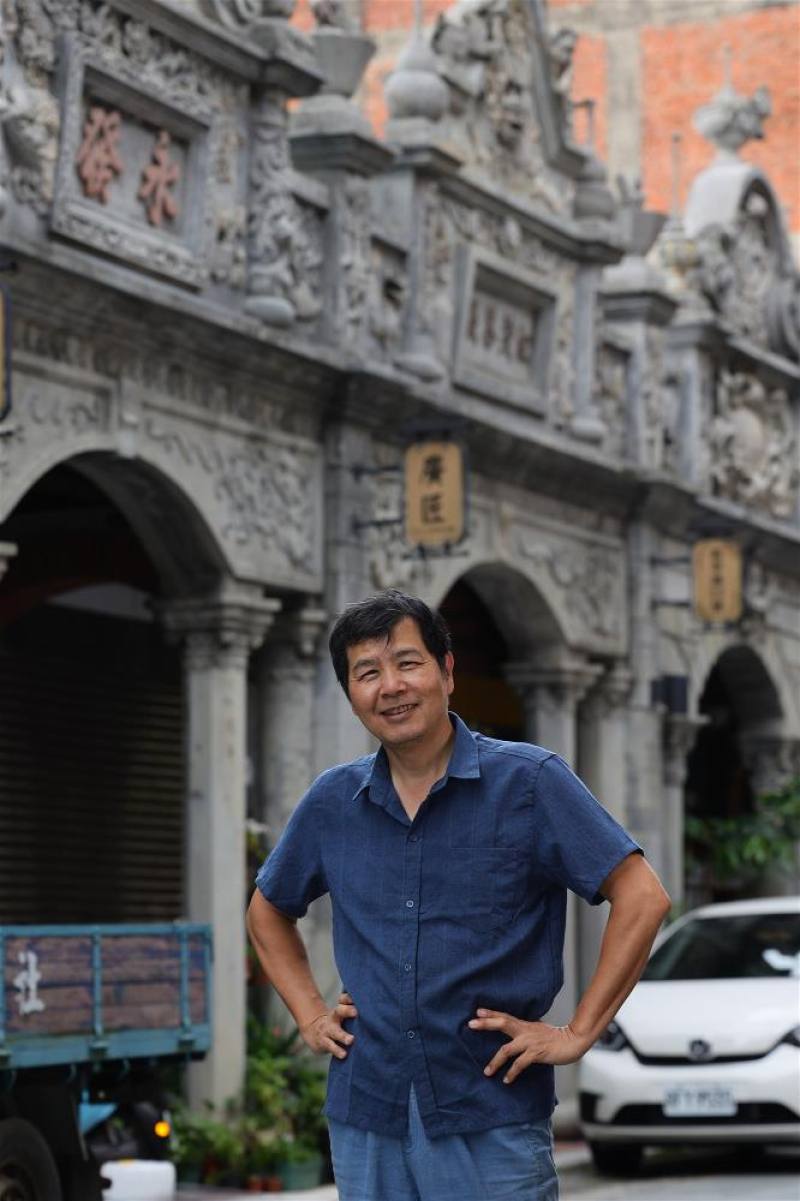
長年投入大溪文史研究,同時也是和平老街「達文西瓜館」創辦人的黃建義說:「大溪迎六月廿四,是全台灣規模最大的子弟戲神明遶境活動。」
大溪曾是北台灣重要商業重鎮,關聖帝君是商人敬奉的財神,因此關帝信仰深植地方。迎六月廿四的祭典約起源於1910年代,最早的文字記載可見於1915年的《台灣日日新報》。黃建義指出,日治時期,日本殖民政府曾對部分民間信仰有所限制,如鄰近主祀開漳聖王的福仁宮一度被關閉改作醫院;相較之下,供奉武聖關羽的普濟堂,因日本與關帝信仰亦有淵源,較未受到影響,也讓這項慶典得以延續至今。
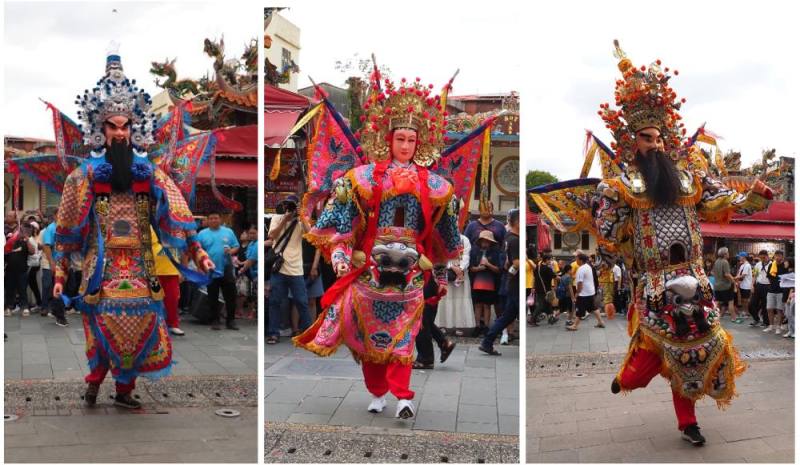
然而,在黃建義眼中,「迎六月廿四背後的意義,其實是為了團結。」早年台灣各地廟會都需要整個街庄一起動員。舞獅、北管、神將、藝閣,每一項陣頭都需要居民分工合作,大人扛神轎、吹北管,孩子則跟著打鼓、學習陣法,整個街區一起動員。
隨著時代變遷,許多地方的遶境活動逐漸改由職業陣頭演出;唯有大溪,至今仍維持由地方社團自行籌辦的傳統。居民自掏腰包、利用工作之餘排練,時間一到便自然回到各自的社頭。「大溪人就這樣默默走了一百多年,沒有多大的改變。」黃建義說。
一座讀懂六月廿四的博物館
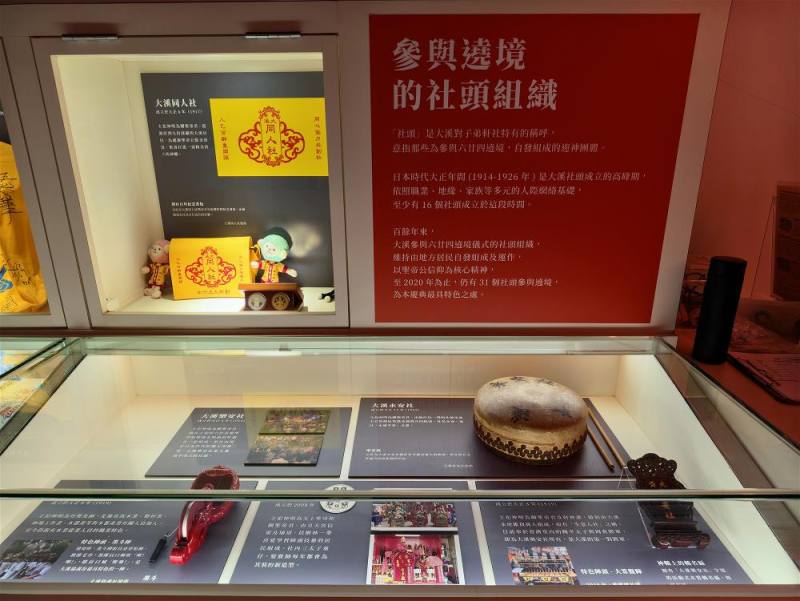
走進大溪六廿四故事館,空間原為大溪農會倉庫的建築,如今已成為大溪木藝生態博物館群的一員,也是認識迎六月廿四最好的起點。館內介紹在地社團的背景故事,也透過影像、神轎與陣頭文物,帶領遊客理解這場慶典背後的人與故事。
最特別的是,參與迎六月廿四遶境的多個社頭,各自都有不同的歷史與身分,其中有15個創立於日治時期的社團,至今仍持續參與慶典。社頭成員的組成,來地方的百工百業,宛如一頁大溪地方的發展史。
例如創立於1917年的同人社,是由當年前往九份採金的大溪子弟所組成。相傳礦工們感念關聖帝君指點礦脈,返鄉後集資打造第一頂神轎,並成立同人社參與遶境。
創立於1919年的興安社,成員多為雜貨商,因此有「生意人社」之稱,遶境藝閣車上至今仍可見巨大的算盤與秤子,象徵昔日的商業文化;同樣成立於1919年的協義社,則由木業從業者組成,陣頭上的巨大墨斗,成了木器重鎮大溪最鮮明的印記。
館內的導覽志工多是土生土長的大溪人,他們分享的不只是展品背後的故事,更是自己從小參與迎六月廿四的生命經驗。
一起來逗熱鬧
百年來,迎六月廿四之所以沒有消失,不只是因為神明受到敬奉,更因為每一年,都有人願意回來。大人牽著孩子走進隊伍,當鼓聲再次在夜晚的廟埕響起,傳承的不只是信仰,而是一座城鎮的居民彼此相連的情感。
今年六月,不妨走進大溪,跟著街頭此起彼落的鼓聲與北管樂曲,一起感受這場延續百餘年的地方盛典。當你隨著隊伍穿梭老街巷弄,也會明白,大溪人守護的,不只是一場迎神遶境,而是一座城鎮世代相傳的生活方式。
Many cities around the world have a festival that comes to represent them: Kyoto has the Gion Matsuri and Munich has Oktoberfest. What makes these celebrations memorable is not simply the spectacle, but the way an entire city takes part.
Daxi District in Taoyuan has a similar festival of its own. Falling on the 24th day of the sixth lunar month (aka Lunar June 24) and affectionately called Daxi’s “second New Year,” it is a celebration to mark the birthday of Lord Guan, for which residents across the town set aside their daily routines to join in.
A whole town comes alive
Daxi slips into festival mode well before the big day arrives. Preparations begin on the first day of the month, when Puji Temple convenes a planning meeting, confirms the procession route, carries out a thorough cleaning known as “washing the temple,” and posts notices at nearby temples inviting their deities to attend while making ready to welcome them.
Local community associations also begin rehearsals of their own amateur procession groups. Members go to work as usual by day, but temple forecourts come alive at night as dragon troupes and deity-general performers practice their formations, and the sounds of Beiguan music, gongs, and drums once again echo through the streets. With schools on summer break, young people studying away from home can return and take up the roles they have known since childhood. As the dates approach—August 5 and 6 this year—the rhythm of the whole town shifts toward a single purpose: celebrating Lord Guan’s birthday.
A century of unity
Huang Chien-i, a longtime researcher of Daxi history and culture and founder of Da Vinci Melon Handicraft on Heping Old Street, says: “Daxi’s Lunar June 24 celebration is Taiwan’s largest religious procession mounted by local amateur community troupes.”
Daxi was once a major commercial center in northern Taiwan. Lord Guan was revered by merchants as a god of wealth, and devotion to him became deeply rooted in the town. The birthday festival took shape in the 1910s, with its earliest written record being, according to Huang, a newspaper account appearing in the Taiwan Nichinichi Shinpō in 1915. He notes that during the era of Japanese rule (1895-1945), the colonial authorities restricted some forms of folk religion—for example, nearby Furen Temple, dedicated to Kaizhang Shengwang, was temporarily closed and used as a hospital—but Puji Temple, where Lord Guan is worshipped as the Martial Sage, was less affected at the time. Huang says this was probably due to the fact that there has long been a tradition of venerating this deity in Japan, which made it possible for his birthday celebration to continue in Daxi.
Yet for Huang, the most important thing about the celebration is not its religious content, but “community unity.” In earlier times, temple festivals across Taiwan required entire neighborhoods and villages to mobilize. All of the participants, from lion dance companies and Beiguan ensembles to deity generals and elaborate parade floats, were organized by amateurs and depended on residents sharing the workload: Adults carried palanquins and played Beiguan music, while children beat drums and learned the formations. The entire community took part.
But over time, many religious processions elsewhere came to rely on professional performers. Daxi, however, has preserved the tradition of local associations organizing the event themselves. Residents contribute their own money and rehearse outside working hours, returning to their performance troupes when the time comes. “The people of Daxi have quietly followed this path for over 100 years, with very little change,” Huang says.
A museum that brings Lunar June 24 to life
Inside the Lunar June 24 Story House—a former Daxi Farmers’ Association storehouse that is now part of the complex of institutions under the Daxi Wood Art Ecomuseum—visitors find an ideal starting point for understanding the festival. Exhibits introduce the histories of local community associations and use images, palanquins, and performance troupe artifacts to reveal the people and stories behind the celebration.
What is especially striking is that each of the many community associations in the procession has its own history and identity. Of them, 15 were founded during the era of Japanese rule and continue to take part today. Drawn from Daxi’s many trades and occupations, their memberships read like pages from a history of the town’s development.
One example is the Tongren Society. Founded in 1917, it was formed by Daxi residents who had gone to Jiufen to mine gold. According to local tradition, the miners believed Lord Guan had guided them to the gold they found. On returning home, they pooled their money to build the first palanquin and founded the society to join the procession.
Meanwhile, the Xing’an Society, founded in 1919, was made up largely of general store merchants and became known as the “Businesspeople’s Society.” Its parade float still features an oversized abacus and scales, symbols of Daxi’s historic commercial culture. The Xieyi Society, also founded in 1919, brought together workers from the timber and woodworking trades; the giant carpenter’s ink-line reel carried by its procession troupe remains a vivid emblem of Daxi’s identity as a woodworking center.
Most guides at the museum were born and raised in Daxi. They share not only the stories behind the exhibits, but also their own memories of growing up with the festival.
Join the festivities
The celebration has endured for more than a century not only because Lord Guan remains revered, but because the local people choose to participate year after year. Adults lead children into the procession, and when the drums sound again in the temple forecourt at night, what passes from one generation to the next is more than faith: It is the bond that holds the town together.
This August, why not follow the swelling sounds of drums and Beiguan music into the streets of Daxi and experience a local celebration more than a century in the making. As the procession winds through the lanes of the old town, it becomes clear that the people of Daxi are safeguarding not merely a religious procession, but a way of life passed down from one generation to the next.
本文轉載自《台灣光華雜誌》
六月廿四,大溪人的第二個過年 全鎮迎神、世代傳承的百年信仰盛典
https://pse.is/9embbv