The Formosa Ambassador Association-Washington D.C. Chapter (FASCA-DC) successfully wrapped up its 2026 Orientation on August 22–23, welcoming 37 enthusiastic young participants for a meaningful weekend of leadership development, cultural exploration, and community engagement. Organized by the FASCA-DC Advisory Team and led by Advisor Lee Hou, the program reflects FASCA’s mission to cultivate culturally grounded, service‑oriented youth ambassadors across North America as part of the broader initiative.
The first day began with an energetic check‑in as students received their program T‑shirts and settled into group seating. The opening ceremony featured welcoming remarks from Culture Center of TECRO Director Cheng‑chieh Huang, who emphasized the importance of cultural service and youth leadership within the overseas Taiwanese community. Advisor Adam Lee followed with an introduction to FASCA‑DC’s annual initiatives, offering students a clear roadmap of the service opportunities ahead.
Morning ice‑breaker activities quickly filled the hall with laughter and teamwork, helping students build rapport with their peers and advisors. These activities set the stage for the Group Dynamics Training, where participants collaborated on team chants and designed baseball‑style team shirts. The exercise encouraged creativity and strengthened group identity, underscoring FASCA’s emphasis on teamwork and leadership. In the afternoon, FASCA‑DC Advisor Shinyi Lee led a hands‑on leadership workshop. Students worked in small groups to explore cultural themes such as Lunar New Year traditions, the Dragon Boat Festival, Mid‑Autumn Festival, and night‑market games. The session challenged participants to think critically about cultural storytelling and community engagement, preparing them for future volunteer projects.
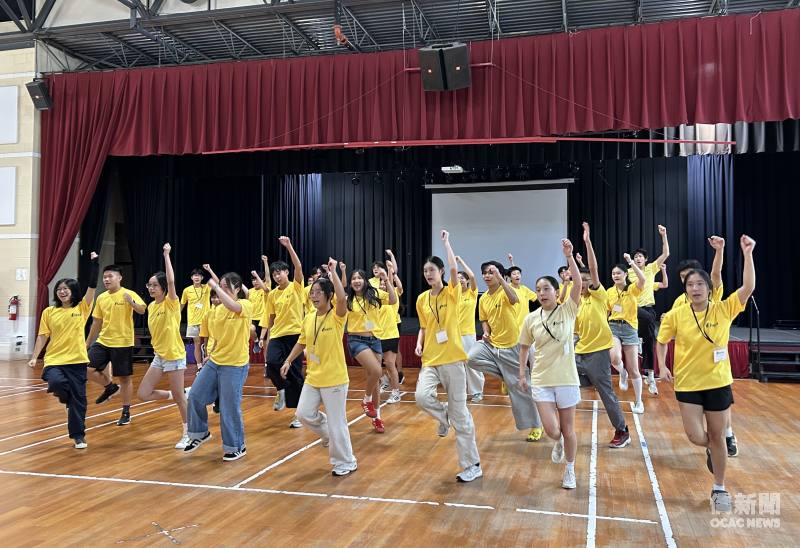
The day ended with one of the program’s signature experiences — the Taiwanese Dance Culture Workshop: Ambassador’s Dance, taught by instructors Chen‑yu Chui and Kevin Chen. Students practiced foundational movements and learned the cultural significance behind the choreography, gaining a deeper appreciation for Taiwan’s performing arts traditions.
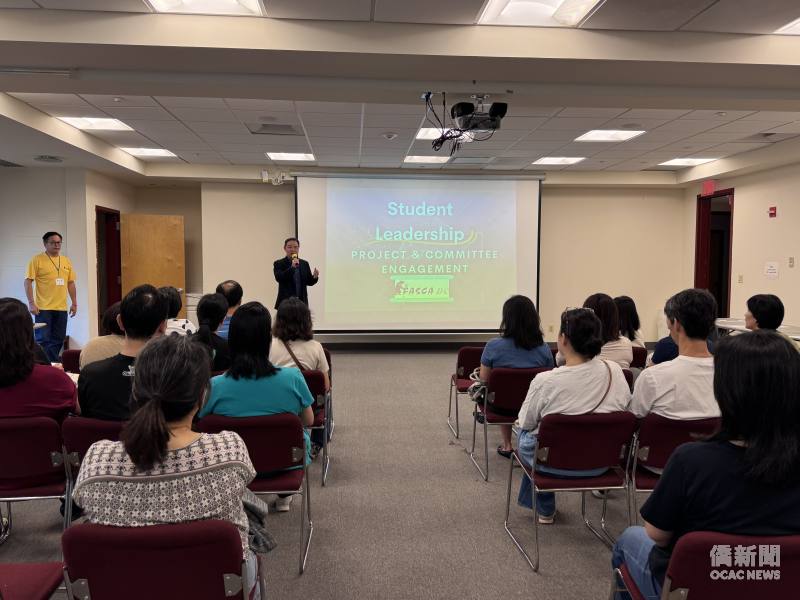
On Sunday, the program shifted its focus to family and community involvement. The morning Parent Information Session introduced FASCA‑DC’s annual service tracks, including Charity Run, Festival Coordination, Public Policy Engagement, Museum and Library Partnerships, Parade Participation, Food Drives, and Taiwanese Cuisine Outreach. Parents had the opportunity to ask questions, register for volunteer pathways, and learn how their children could contribute meaningfully throughout the year.
The cultural immersion continued with a hands‑on Taiwan Culture Experience Workshop, featuring fan painting, elements of the “Twelve Aunties” folk dance, and introductory steps of the Third Prince dance. Instructor Yao Yu‑ping guided students through artistic and movement‑based activities that connected them to traditional Taiwanese aesthetics.
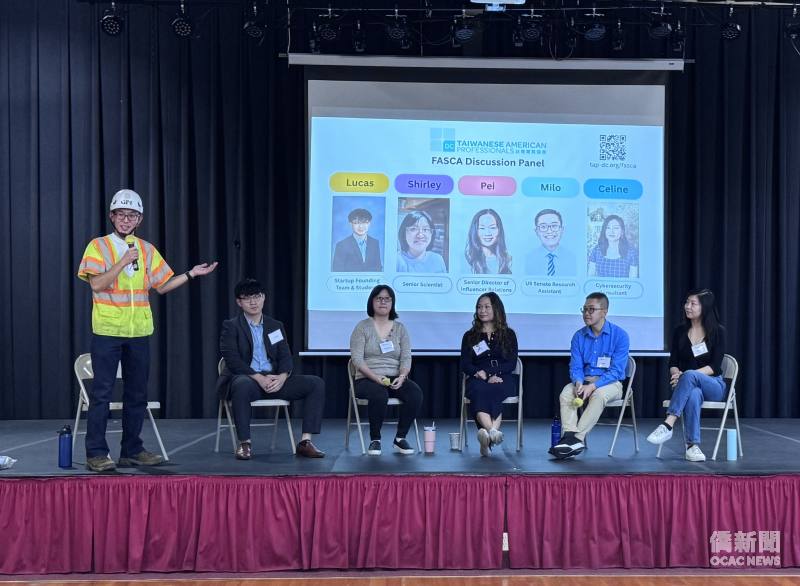
A special youth panel discussion followed, focusing on Taiwanese American identity and youth self-recognition. The panel featured Senior FASCA and members of the Taiwanese American Professionals – DC Chapter (TAP-DC), who shared their experiences in personal growth, education, and career development. Their insights resonated strongly with both students and parents, sparking thoughtful conversations about bicultural identity and community belonging.
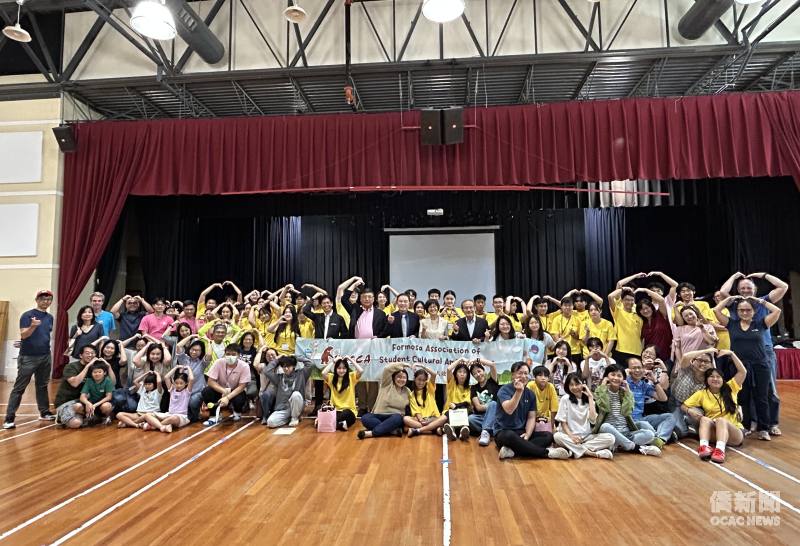
The weekend wrapped up with the Achievement Showcase, where students presented their group projects in a banquet‑style exhibition. Parents and council members from Overseas Community Affairs Council (OCAC) visited each table, learned about the cultural themes, and cast votes for their favorite presentation. The closing ceremony celebrated the students’ creativity, teamwork, and dedication.
Across two full days, the 2026 Orientation highlighted the strength of overseas Taiwanese youth and the commitment of FASCA‑DC to nurturing cultural ambassadors. Through teamwork, cultural exploration, and leadership development, participants left not only with new skills but also with a deeper connection to their heritage and community.