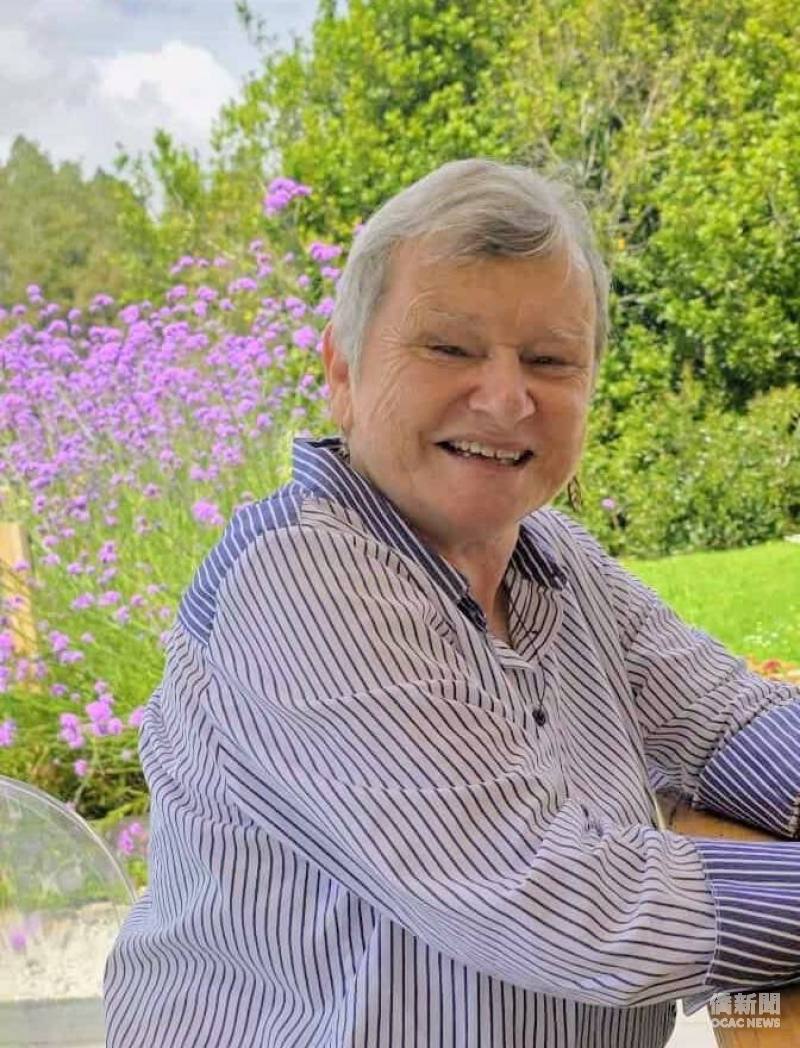
Ruth had attended Lantern Festival celebrations in Auckland before she ever stepped into a Mandarin classroom.
She enjoyed the colourful lanterns, the food, the dragon dances and the sound of drums. They were lively community celebrations and enjoyable occasions to share with family.
But there was something Ruth did not know.
She did not really understand why the festival was important, or what many of its traditions and symbols represented.
“I just saw it as ‘Chinese’.”
That simple admission became the starting point for a new chapter in Ruth’s understanding of Taiwan.
Ruth had a good friend from Taiwan, but before joining the Taiwan Center for Mandarin Learning (TCML) in Auckland, she knew very little about Taiwan as a place with its own cultural practices and traditions.
Her first connection with TCML came through a local discussion thread on Facebook. Now fully retired and living relatively close to the centre, she decided to give the Mandarin classes a try. The fact that classes are sponsored for eligible retired learners made the decision even easier.
What she did not expect was that learning Mandarin would also change the way she looked at cultural experiences she had already encountered in Auckland.
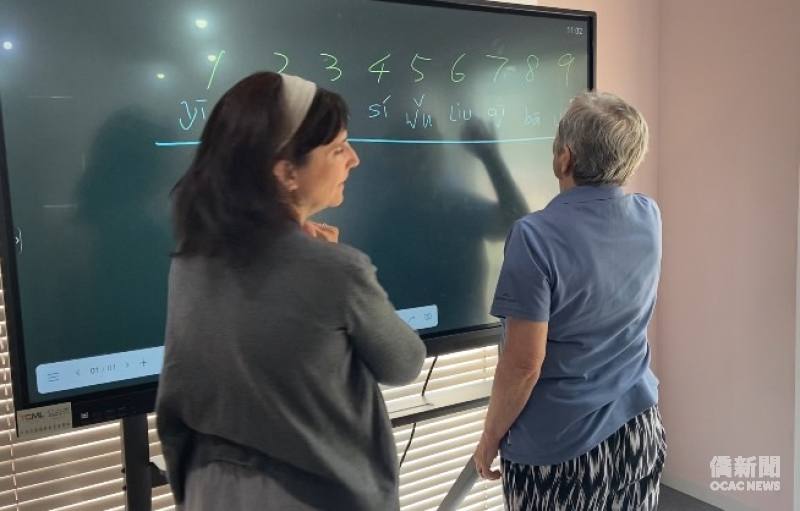
Her first experiences in the classroom were practical. Students learned conversational phrases that could be used in everyday interactions, gradually becoming familiar with a language that initially seemed quite challenging.
But for Ruth, the cultural experiences surrounding the language have become just as important as the words themselves.
She began to discover that festivals she had previously enjoyed as colourful public events carried layers of history and meaning.
The Lantern Festival, for example, was no longer simply about beautiful lanterns, performances and food. Through her lessons, Ruth began to understand more about why the festival is celebrated and the symbolism behind some of its traditions.
“It helps to add enjoyment to the cultural experience,” she explained.
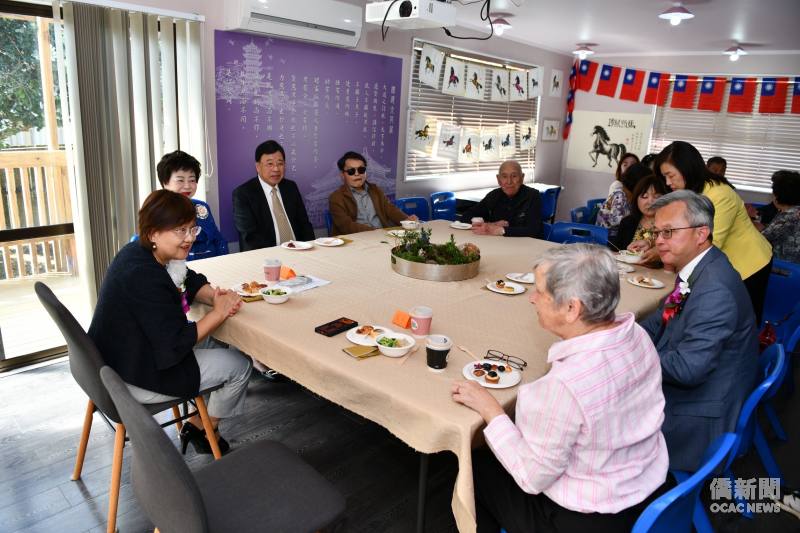
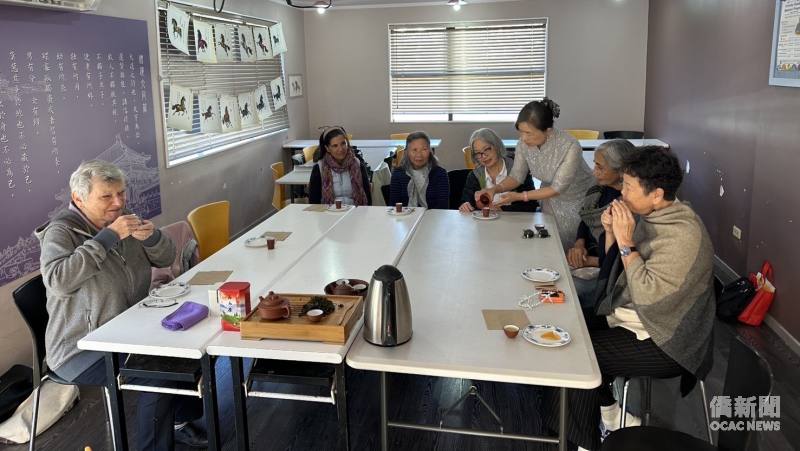
The same feeling came through during a Taiwanese tea ceremony led by the teachers at TCML.
Ruth described the experience as “a very dignified and peaceful experience”.
For someone who had originally joined to learn Mandarin, the tea ceremony offered something unexpected: an opportunity to slow down and experience a cultural tradition rather than simply learn about it from a book.
She also remembers learning about Taiwan itself, including the way the island is divided into four regions and the names associated with them.
Piece by piece, the country that had once seemed simply part of a broad idea of “Chinese” culture was becoming more distinct in her mind.
“I am only just starting to understand the Taiwanese culture,” Ruth said.
That word—“starting”—is important.
Ruth does not see herself as someone who has suddenly become an expert on Taiwan. Instead, she describes her experience as the beginning of a process of discovery.
Her Mandarin is still developing, and she is learning how to use simple expressions in everyday situations. Being able to say “hello” and “thank you” in Mandarin may seem small, but she has found that these words can create a point of connection.
She has also begun to recognise a few words when she hears conversational Mandarin around her.
Sometimes the learning continues outside the classroom in unexpected ways.
Ruth has used small Mandarin conversations with her Taiwanese friend, who knows she is learning and sometimes responds with the “textbook” answer. She has also tried a few words with her chiropractor, who appreciates the effort and occasionally tells her that her Mandarin is improving.
These moments have helped Ruth realise that language learning does not have to wait until someone becomes fluent.
A few words can be enough to begin a conversation.
A familiar phrase can make a connection.
And understanding the cultural background behind a tradition can make an experience feel very different.
For Ruth, this has been one of the most valuable discoveries of joining TCML.
Auckland is home to people from many cultures, and celebrations such as the Lantern Festival are part of the city’s multicultural life. Ruth had already been participating in these events. Now she is beginning to understand more about the culture behind them.
Her learning has therefore given her a different way to participate in the multicultural community around her.
She hopes to continue developing her Mandarin and become more confident communicating with people in the wider community. She would also like to learn more about Taiwanese cultural practices and traditions.
Her advice to others considering learning Mandarin is simple.
“You are never too old to learn Mandarin.”
She encourages new learners to begin with just one or two words they can use in everyday life and, most importantly, not to be afraid of making mistakes.
“You will be surprised to see how well you progress.”
For Ruth, the journey is still at an early stage. She is not claiming to have mastered Mandarin, nor does she suggest that she has discovered everything there is to know about Taiwan.
What has changed is her perspective.
The next time she sees a lantern, hears the drums of a dragon dance or encounters a Taiwanese cultural celebration in Auckland, she will not simply see an interesting cultural event.
She will know to look a little closer. There is a story behind the lantern.
There is meaning behind the celebration.And there is a culture she is only beginning to discover.