文/蘇俐穎 圖/羅寗提供
不管有事沒事,路過都想走進去逛一圈的便利商店;不需要多說,就能端出常客必點的那一套餐點的早餐店;能享受挖寶樂趣的二手書店;彷彿封存了時間的鐘錶行……。
翻開插畫家羅寗的圖文集《台灣活所在》,細膩且樸實的畫面,就像進入了台灣人共享的儲思盆,總能觸動記憶裡的最深處。
成長在新竹山邊,大學因就讀於實踐媒體傳達設計學系,才開始到台北生活。羅寗說,長大才圓了小時對於都市生活憧憬的夢想,但這一份「外來者」的身分也有不少好處,讓她走在都市裡,總保有一份如同旅行者一般的好奇與熱情。
記錄庶民街巷店鋪
羅寗自云,創作緣起最早可以追溯到大學。科班的訓練,讓她有機會接觸到動畫背後的故事、場景、角色、分鏡等不同環節,「發現自己最有興趣的,其實是場景。」羅寗說。
《台灣活所在》,即是台語的「好所在」(hó-sóo-tsāi),她費心搜羅了形形色色台灣街頭巷尾的商店,舉凡機車行、鎖匙店、五金行、文具行,「這些店家給人很強烈的生活感,平常在小吃店用餐,到文具店買文具,換季了就到洗衣店洗大棉被,這些不就是構成在地人生活的重要元素嗎?」羅寗認為。
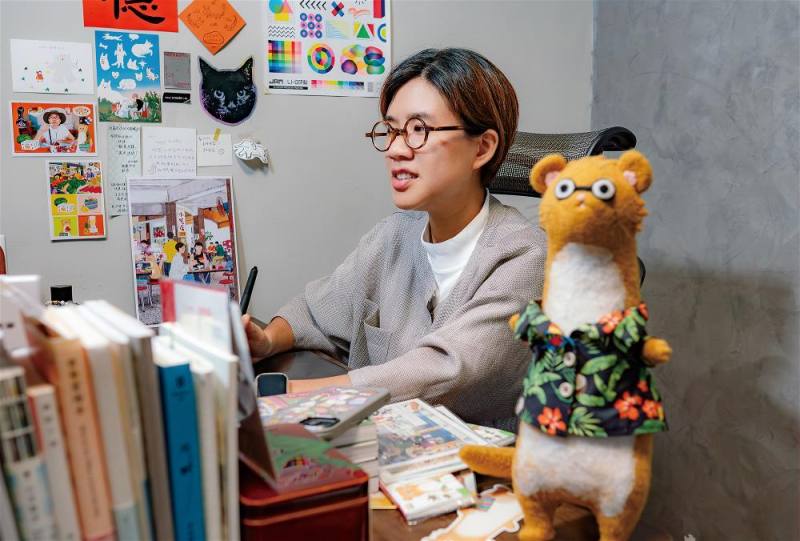
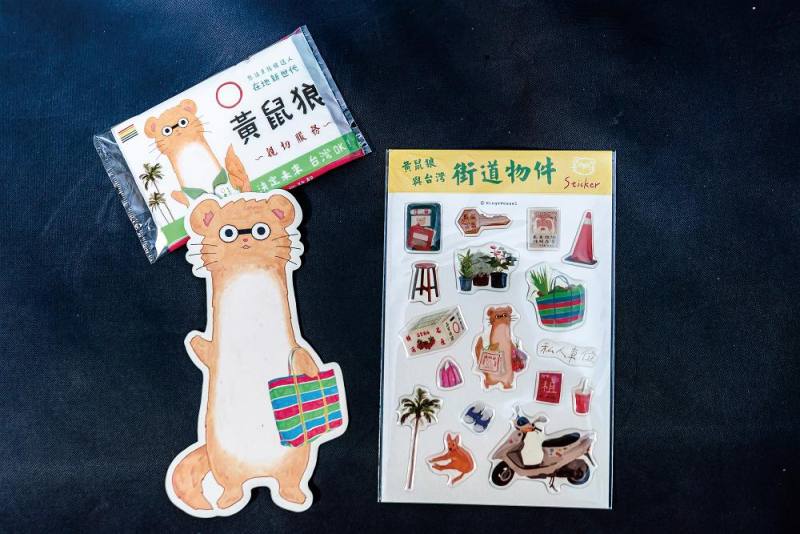
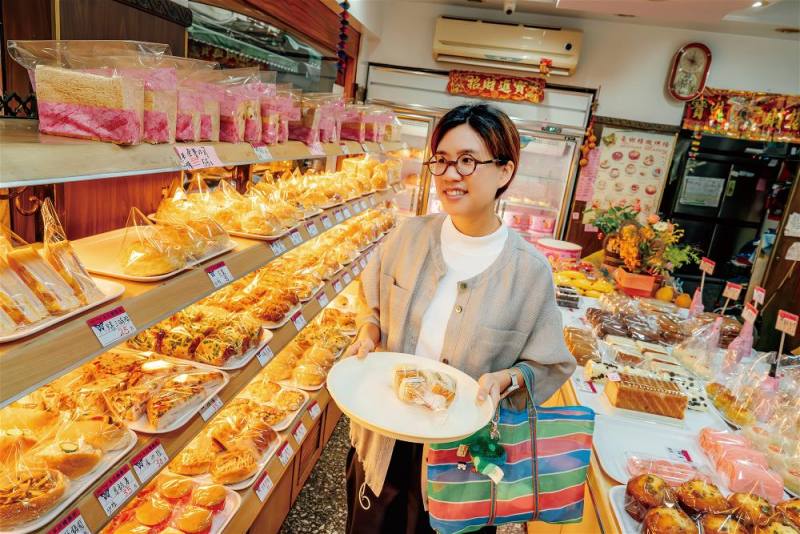
而畫面中,常見一隻喜愛提著茄芷袋的「黃鼠狼」串場。與身材高瘦,戴著一副圓眼鏡的她,有著幾分肖似。那是她從大學時代,在個人的插畫日記上,根據自己的形象所設計出來的角色。
物件堆疊,如臨現場
作為羅寗的第一本創作,《台灣活所在》確實是慢工出細活,書中一共50幅作品,費時5年才完成。
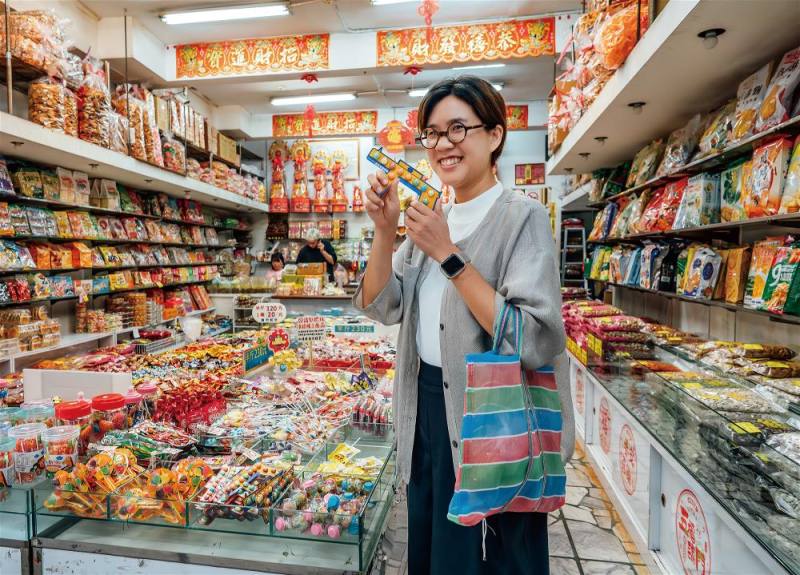
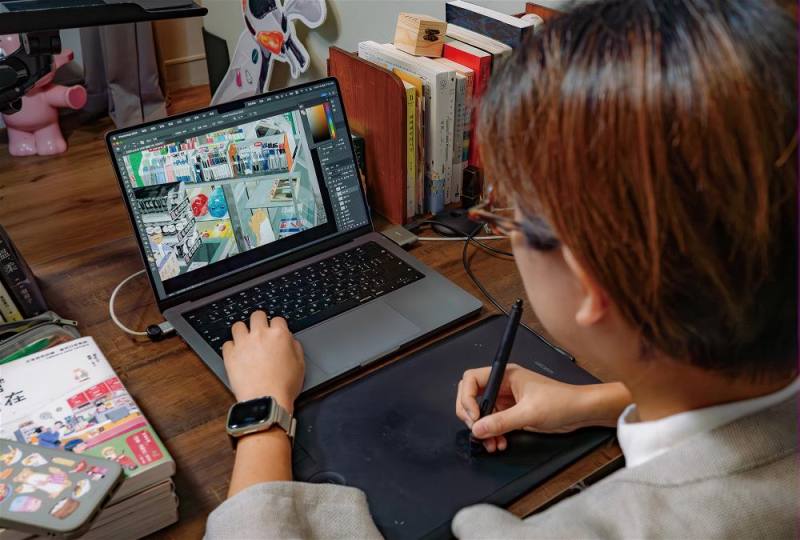
原因在於,「創作之前,我會先取材。」羅寗說。她以自己生活的街廓為根據地,即興尋找標的;也可能鎖定特定目標,刻意前往取景。最後依照自己的偏好、記憶、美感,如同電影的美術設計,透過畫筆將物件一個個組裝到畫面中。
這些作品細節豐富度之驚人,恰如其分地展現出她對於物件的愛戀。就像小女孩悉心剪下報章雜誌上憧憬的物品,再貼到剪貼簿上一般,「如果不能擁有的,那只好畫下來。」羅寗毫不否認地笑答。
正因如此,不論是物件描摹的細膩度之高,好比如真實存在的某張音樂專輯、曾經相當流行的電視劇流行語「甘安捏」等等;以及在用色上盡可能貼近原件的真實,最終得以創造出如臨現場的質地,就像文資工作者凌宗魁說的:「如果把畫中的色彩提取出來做成色票,幾乎可以按比例組合出純正濃厚的台灣氛圍。再多看幾眼,似乎連氣味都能聞到。」
對故鄉的溫柔注視
羅寗說,在成長過程中努力當個好孩子的她,其實沒有太關注外在世界。直到大學到加拿大遊學,得向外國人介紹自己故鄉,才發現自己的一無所知。
由此啟發的「活所在」系列創作,是她對家鄉風景真誠溫柔地注視。
包括色彩奔放、自由與混亂僅相距一線之隔的街頭;從擺放、陳列,甚至在展櫃上擺上非賣品的個人收藏,展現出老闆個人風格的店家;還有絕對不會放棄「搏眼球」的機會,用上諧音梗的店名等等。「其實都可以感受到台灣人的率真。」她說。
「我也喜歡去日本玩,東京也很漂亮,但商業大樓林立,相較起來,我更喜歡台灣,各種物件堆疊的樣子。」「有人說,台灣太自由、太凌亂,但或許,我就是被這樣自由的風氣所吸引了吧。」站在街頭的羅寗,就如同行走在畫作風景中,有著得其所在的自在。
Through the Eyes of Lo Ning:Taiwan’s Cozy Corners
Illustrator Lo Ning’s picture book Taiwan’s Cozy Corners (2025) features intimate scenes of everyday life that powerfully resonate with Taiwanese readers.
Brought up in mountainous Hsinchu, Lo Ning moved to Taipei to study in the Department of Communications Design at Shih Chien University.
She traces her creative endeavors back to her university years. Academic training enabled her to take a close look at different elements of animated films—plots, scenes, characters, storyboards—and she discovered that film sets were what interested her most.
For Taiwan’s Cozy Corners, she took pains to capture the looks of a wide array of businesses in Taiwan, including motorcycle repairers, locksmiths, hardware shops, and stationery shops. “These shops give us a very vivid sense of daily experience. We dine in the eateries, buy school and office supplies at the stationer’s, or take our duvets to the laundry when summer comes. Aren’t these all vital elements that constitute life in our local communities?” Lo says.
Lo’s illustrations often include a weasel carrying a tote bag. The creature bears some resemblance to Lo herself, who is tall and thin and wears round glasses. It was while she was an undergraduate that Lo invented the character in her illustrated journal, modeling it on her own physical appearance.
Faithful details
Being Lo’s first book, Taiwan’s Cozy Corners is a labor of love. Presenting a sumptuous collection of 50 illustrations, the project took five years to complete.
“Before I set to work, I gather material first,” Lo says. She sometimes wanders around her neighborhood exploring potential subjects. At other times, she visits particular locations to capture scenes she has already set her sights on. Then, like a set designer, she assembles her subjects and creates scenes following the dictates of her taste, memories, and aesthetic sensibility.
Astonishingly detailed, Lo’s illustrations embody her emotional attachments to physical objects. “If I can’t own them, I can at least draw them, can’t I?” Lo says with a smile. She’s like a little girl carefully clipping the images she admires out of newspapers and magazines and pasting them into her scrapbook.
Each detail in Lo’s illustrations is intimately rendered. She takes care, for example, to include real music albums and the once-trendy Taiwanese catchphrase Kám-án-ne? (“Is that so?”) from a TV drama. She also strives to be faithful to reality in her use of colors. Thanks to this verisimilitude, her readers feel immersed in the scenes she has created. Architectural heritage scholar Ling Tzung-kuei says, “If we were to extract the colors from the illustrations and turn them into color charts, by combining the colors in the right proportions we could almost conjure up a rich, authentic Taiwanese ambiance. As we look at the scenes a little longer, they seem so real that we can almost smell them.”
A love letter to Taiwan
Lo says that growing up, she always tried hard to be a “good girl” and didn’t really pay much attention to the world around her. While studying in Canada, she had to talk to people about Taiwan, and it was only then that she realized she knew virtually nothing about her homeland.
The experience inspired her to create the illustrations in Taiwan’s Cozy Corners, a love letter to the place she calls home.