Washington, Sept. 3 (CNA) Taiwan's military should decentralize its command and control structure, giving smaller frontline units more authority to shoot and move in the event of a conflict with China, a U.S. military affairs expert told CNA.
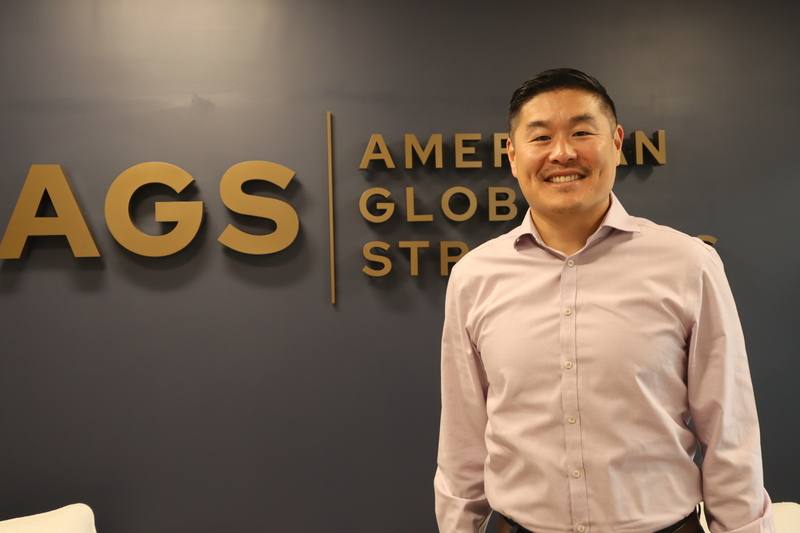
Marvin Park, who served as director for Taiwan affairs on the U.S. National Security Council in 2023-2024 and as a naval attaché at the American Institute in Taiwan (AIT) from 2016 to 2019, made the comments during an interview with CNA on Tuesday.
He noted that Taiwan has been changing the way it thinks about defending itself by adopting a strategy of "erosion."
However, given the speed and complexity of modern warfare, Taiwan needs to reform its military's "very centralized" command and control structure, Park said.
This means allowing frontline units and soldiers to make more decisions within the parameters of their mission, he explained.
"The way we have advised Taiwan to fight is that if you stay in one location, you will die, because the Chinese will have satellites, planes and drones, Park said, noting how U.S. soldiers are trained to "shoot and scoot."
This is especially true with weapons -- such as mobile anti-ship missiles -- that Taiwan has bought from the U.S. in recent years, he said.
To use these weapons effectively, Park said, a small unit would be given mission parameters stating that within a certain time frame, "if you see a Chinese ship and the target is on your computer, you can fire and then move to your next location."
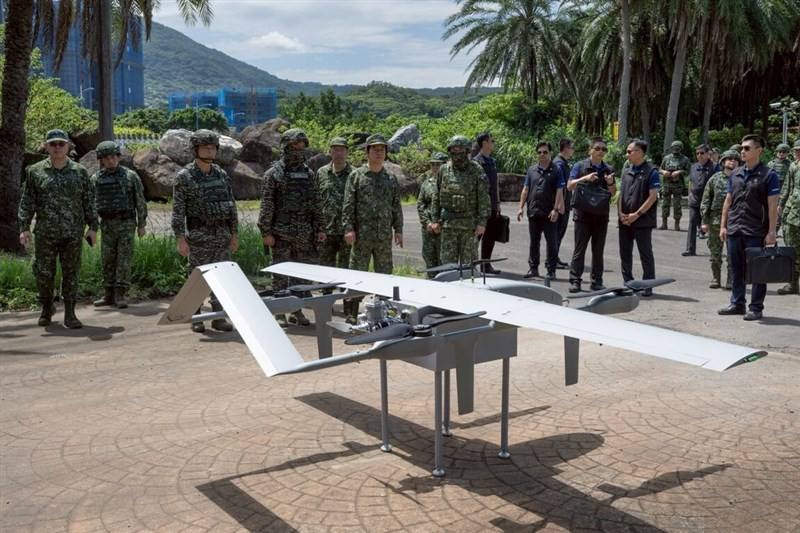
Another area of importance is Taiwan's ability to domestically produce items like drones, bullets and artillery, Park said.
In contrast to Ukraine, where arms can be brought in by land from Poland, Taiwan would be more isolated in a conflict with China, since the surrounding waters would be full of mines and submarines, he said.
While it would nor be feasible to produce advanced missiles during wartime, Park said, if Taiwan has a domestic supply chain and the capability to produce 10,000 drones a month, "it can continue to fight."
Park is currently a nonresident senior fellow at the Atlantic Council and senior vice president at the consulting firm American Global Strategies.