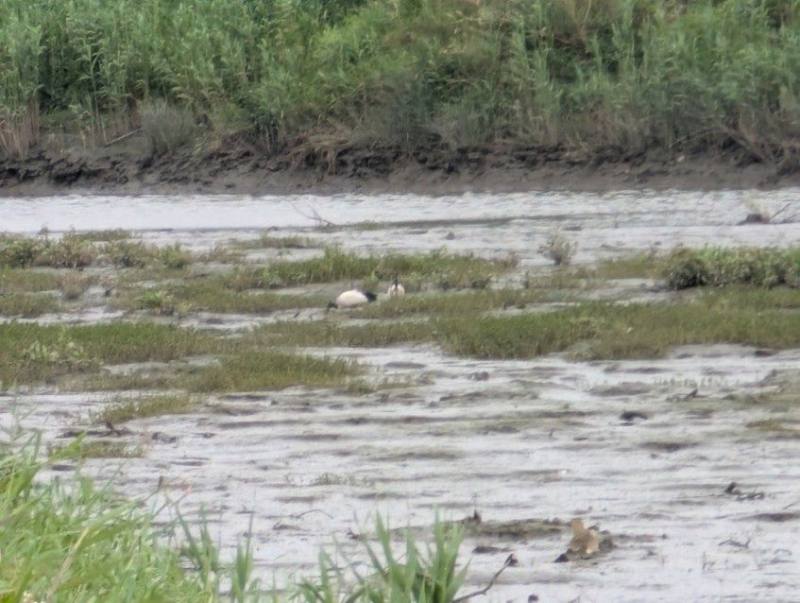
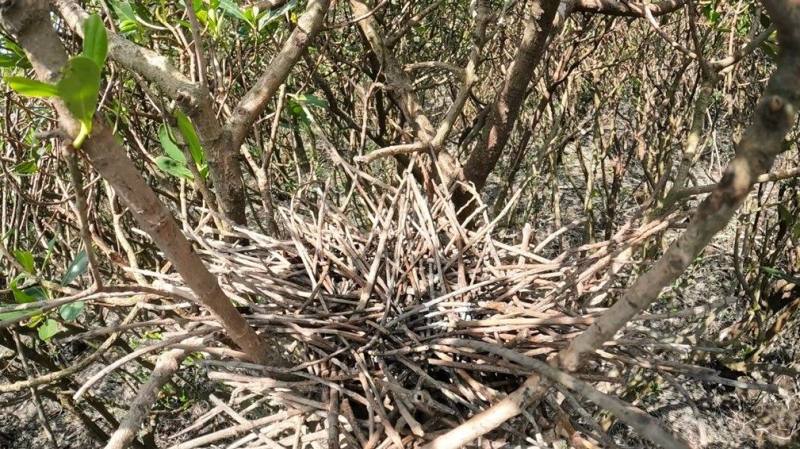
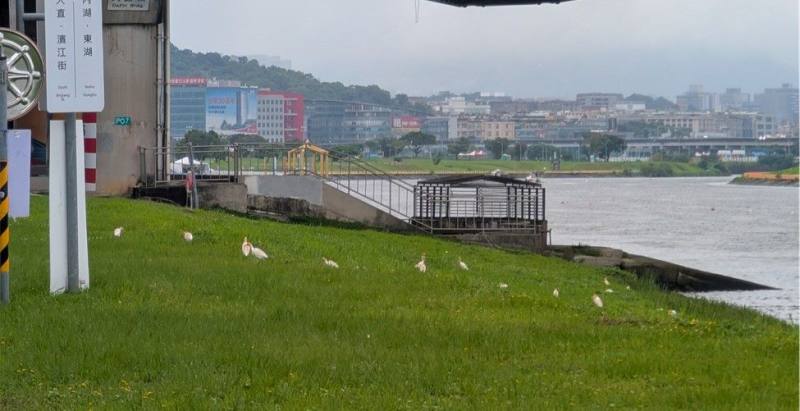
The Taipei City Animal Protection Office has collaborated with the Forestry and Nature Conservation Agency of the Ministry of Agriculture since 2020 to establish a long-term monitoring and management mechanism for the invasive bird species, the Egyptian Sacred Ibis (Threskiornis aethiopicus). Through continuous monitoring of population distribution and dynamics, Taipei City has confirmed that, as of 2025, no breeding records or aggregation sites of the species have been observed within the city. This marks the official achievement of zero breeding records, making Taipei City the first municipality in Taiwan to reach this invasive species control milestone. The outcome clearly demonstrates the effectiveness of systematic management and cross-agency cooperation between central and local governments.
According to the Animal Protection Office, the Egyptian Sacred Ibis lacks natural predators in Taiwan and possesses strong reproductive capacity. Once its population expands, it can easily compete with native bird species for food and habitat resources, posing significant threats to Taiwan’s ecosystems and biodiversity. Since 2020, the Office has implemented targeted management measures in high-risk areas such as rivers, wetlands, and coastal waters. These efforts integrate population monitoring, field surveys, and reporting mechanisms to systematically track population changes, while maintaining close coordination with central authorities. As of December 31, 2024, a total of 274 Egyptian Sacred Ibises had been removed. Surveys conducted in 2025 have further confirmed that both breeding records and aggregation sites have been completely eliminated. The Animal Protection Office will continue to strengthen dynamic tracking and monitoring through cross-agency collaboration to prevent re-invasion, ensure the sustainability of control results, and safeguard the natural habitats essential to the survival of native wildlife in Taipei City.
The Animal Protection Office also noted that it regularly plans and conducts training courses and educational programs related to the monitoring and management of invasive animal species. By integrating scientific monitoring with ecological education, these initiatives aim to enhance public understanding of the potential impacts that invasive species may have on local ecosystems. The public is also urged not to release or abandon animals at will, as such actions may violate relevant provisions of the Animal Protection Act.