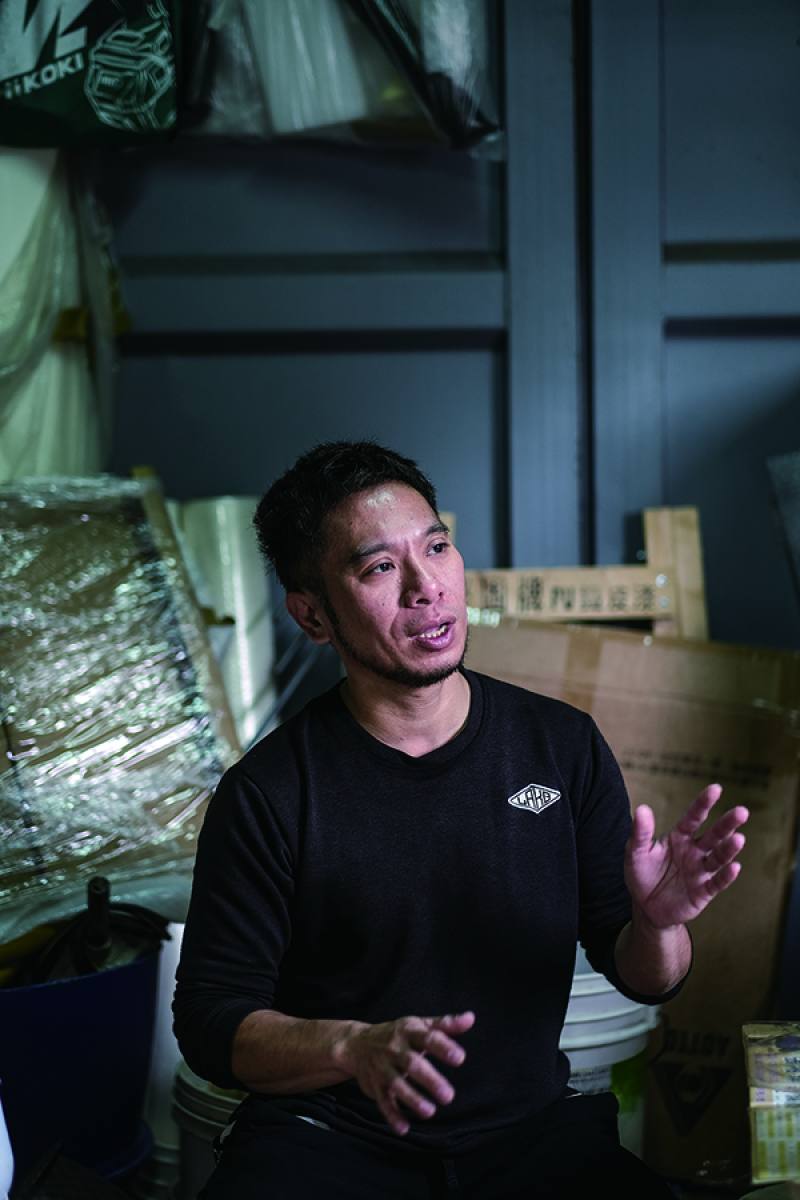
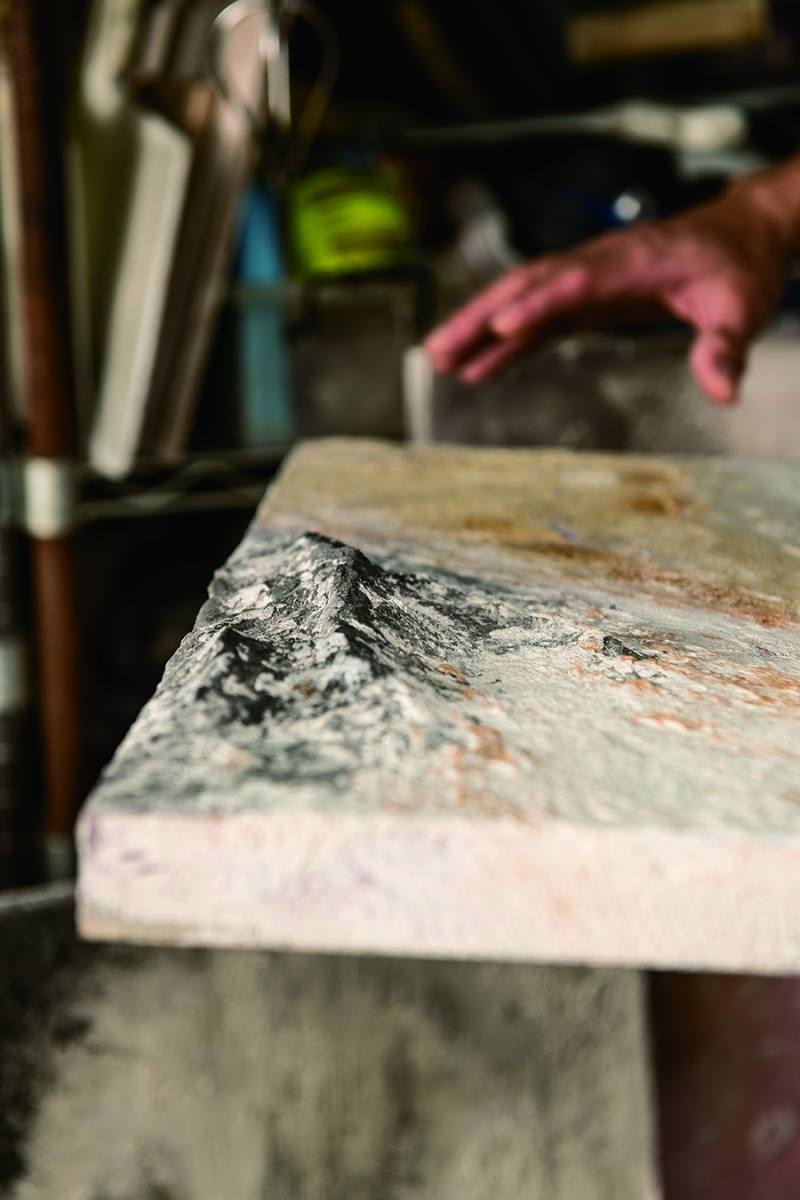
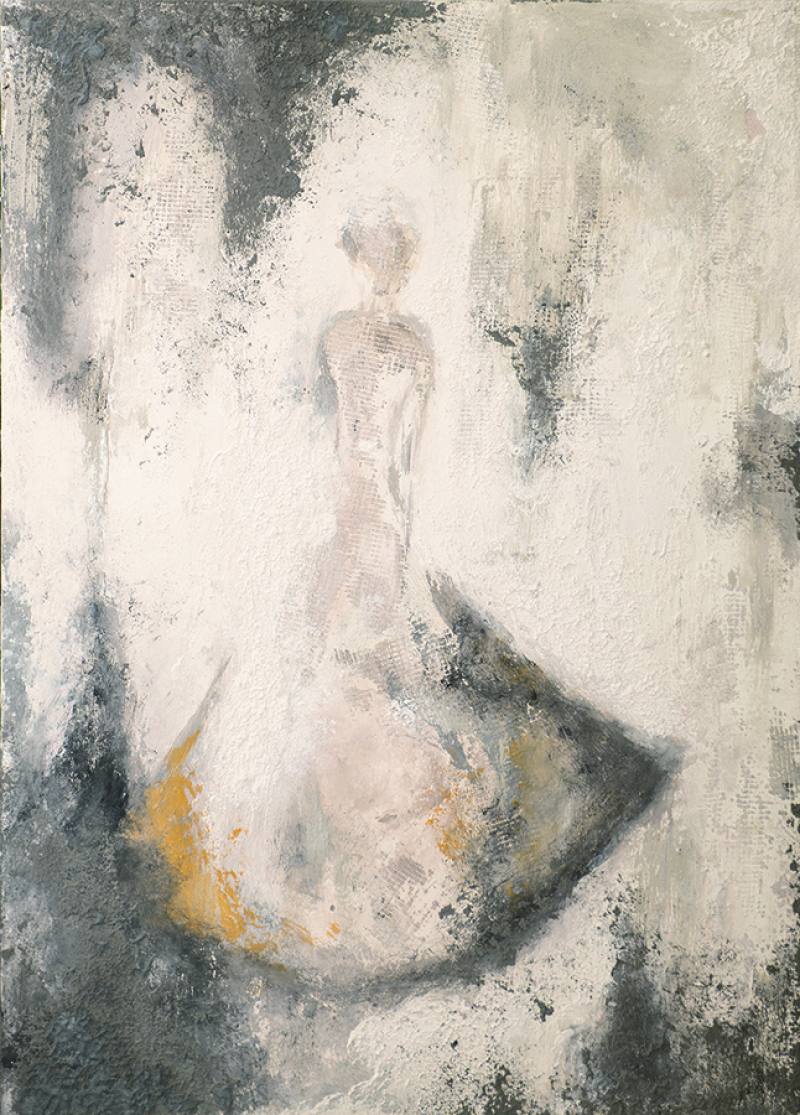
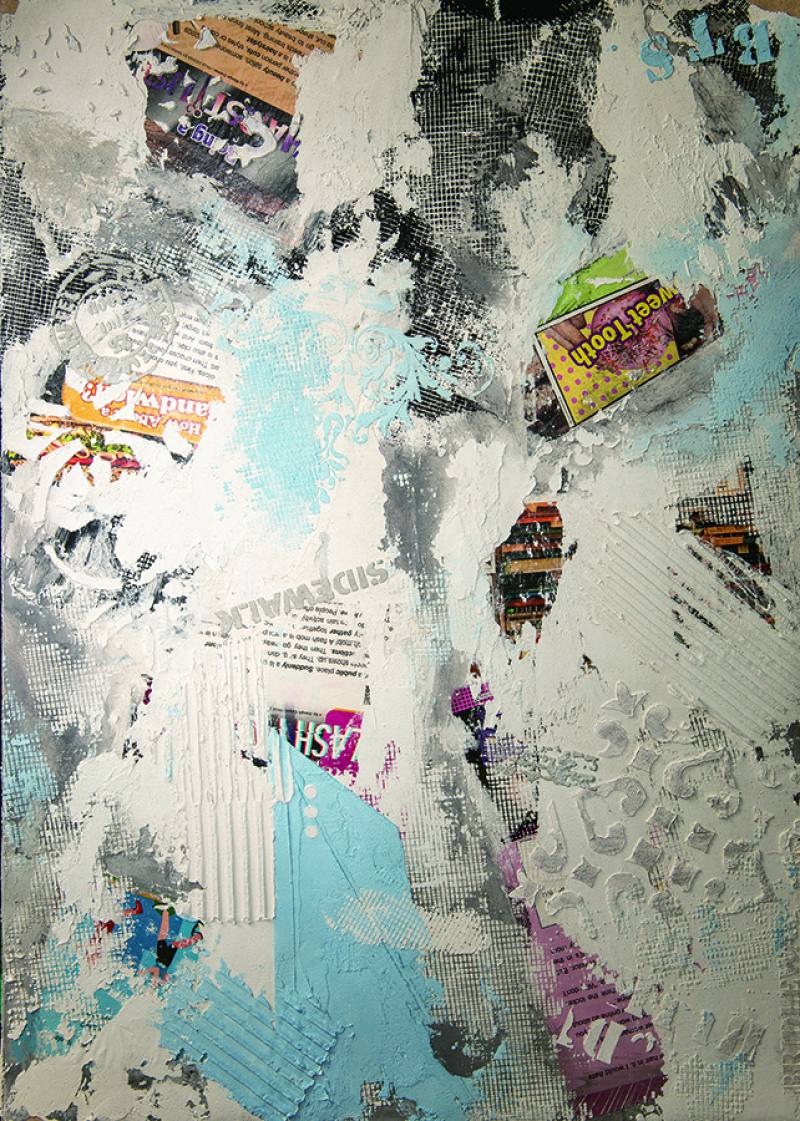
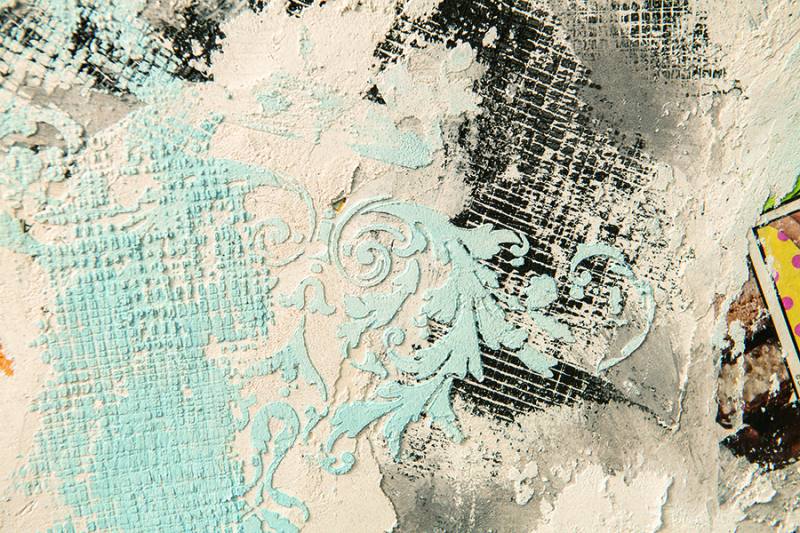
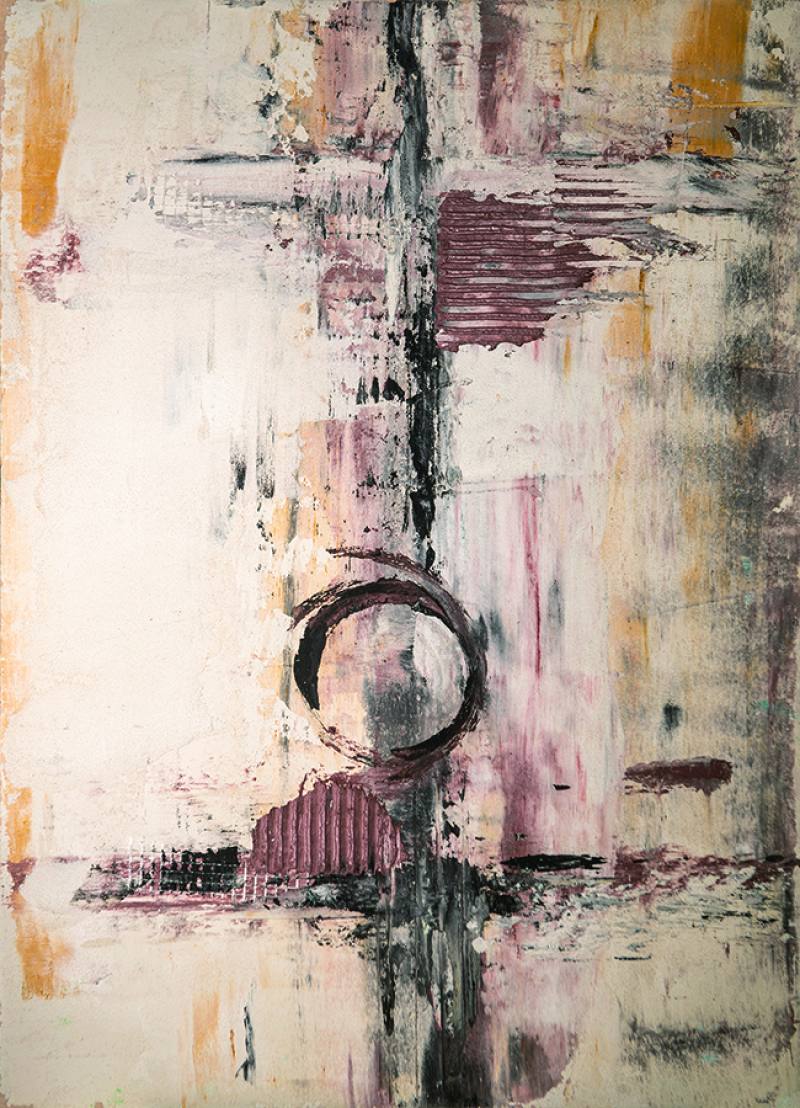
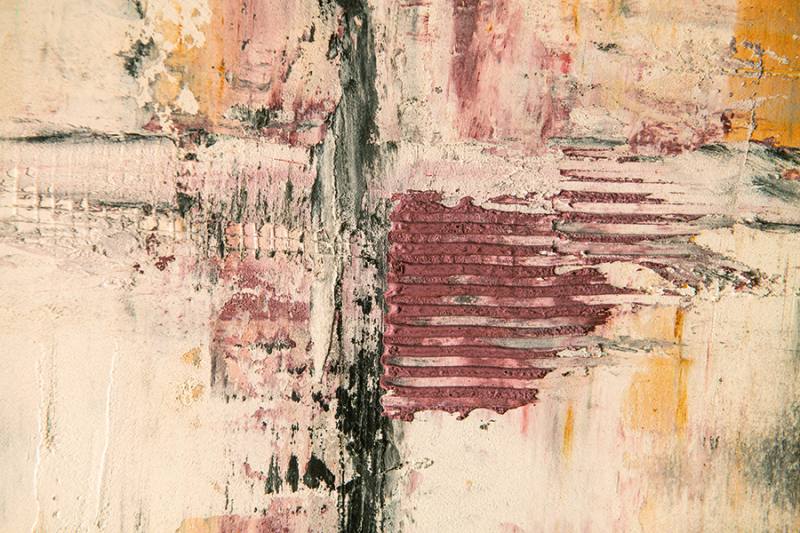
鐵皮倉庫裡,一幅幅立體浮凸的抽象畫映入眼簾。灰白與彩色的水泥在畫作中層層堆疊,有的如山巒起伏,有的像湖面漣漪,豪放不羈之中藏著細膩紋理。這些作品,全出自「泥作阿鴻」鄭志鴻之手。
很難想像,這位留著標誌性落腮鬍、說話客氣又直率的創作者,已在工地打滾30多年。他是水泥工,是作家,也是藝術創作者;他鏝抹牆面,也鏝出自己的人生。
由苦回甘的水泥人生
阿鴻曾是國中升學班學生,考上南二中,原本人生路徑清晰可期。但,15歲那年,家中負債,他跟著父母連夜「跑路」,升學夢戛然而止。他也跟隨舅舅走進工地,扛起一袋袋重達50公斤的水泥,也扛起家計。
外公、舅舅都是泥作師傅,阿鴻笑說,算一算有四個親舅舅、兩個堂舅,「六個師傅教我一個學徒」。扛水泥、拌泥砂是吃重的體力活,也是基本功。泥作的養成就是手把手,一遍又一遍看著師傅施作的身影,揣摩手勢,還得機靈地隨時遞上師傅要的材料。一個不留神,誤會指示,師傅便氣得直接把土盤往地上摔。學徒被水泥濺滿身,還得自己收拾善後。
一次次從錯誤裡站起來的磨練,讓阿鴻練就一身本領。地坪打底、填縫、砌磚、地壁磚鋪貼等,泥作的工序多,每項都講究準確。阿鴻笑說,當了五年學徒後,終於領到師傅行情的工資,表示自己的各項工法已得到師傅的認可。正因為深知泥作的養成不容易,阿鴻經常在網路上無私分享工法技巧,近年更將經驗整理成有系統的工法書,希望後輩少走冤枉路。
我做工,我驕傲
在多數人印象裡,「塗水師」(thôo-tsuí-sai,台語:水泥工匠)粗獷、不修邊幅,但阿鴻不同。他談工法細節像談藝術,對平整度、收邊線條近乎龜毛。他不抽菸、不嚼檳榔,把倉庫收納整齊,堅持工地現場保持清爽。阿鴻的自律與講究,翻轉了外界對水泥工的想像。
泥作,是體力活,也是耐力活,做工的辛苦是旁人難以想像。阿鴻歷經SARS、金融風暴、新冠疫情,案量銳減,他和太太靠著擺地攤、當搬家工,貼補收入,卻從未想過放棄泥作轉行,「因為這已經是我一生的職業了。」
從部落格時代,阿鴻便會將作品與工法分享到網路,他直白地以「水泥工」當作粉專名稱,是對自己職業的敬重。長年的案量累積,逐漸建立口碑,阿鴻甚至受邀到香港與同業交流,示範清水模主題牆的施作。國際交流受到的禮遇,讓他認知到身為師傅的價值。尤其大環境面臨缺工問題,更凸顯手作的可貴,泥作需要的技藝,就刻在每個師傅的身體裡,是機器、AI無法取代的。「台灣師傅的工法、技能、態度沒有輸人!」品質就是阿鴻最大的底氣。
把牆面當盲盒
過去,泥作總是配角。牆面抹平後,上頭刷油漆、貼磁磚,水泥永遠藏在漆作與木工背後。但隨著清水模與侘寂風格興起,灰白水泥開始成為目光焦點。
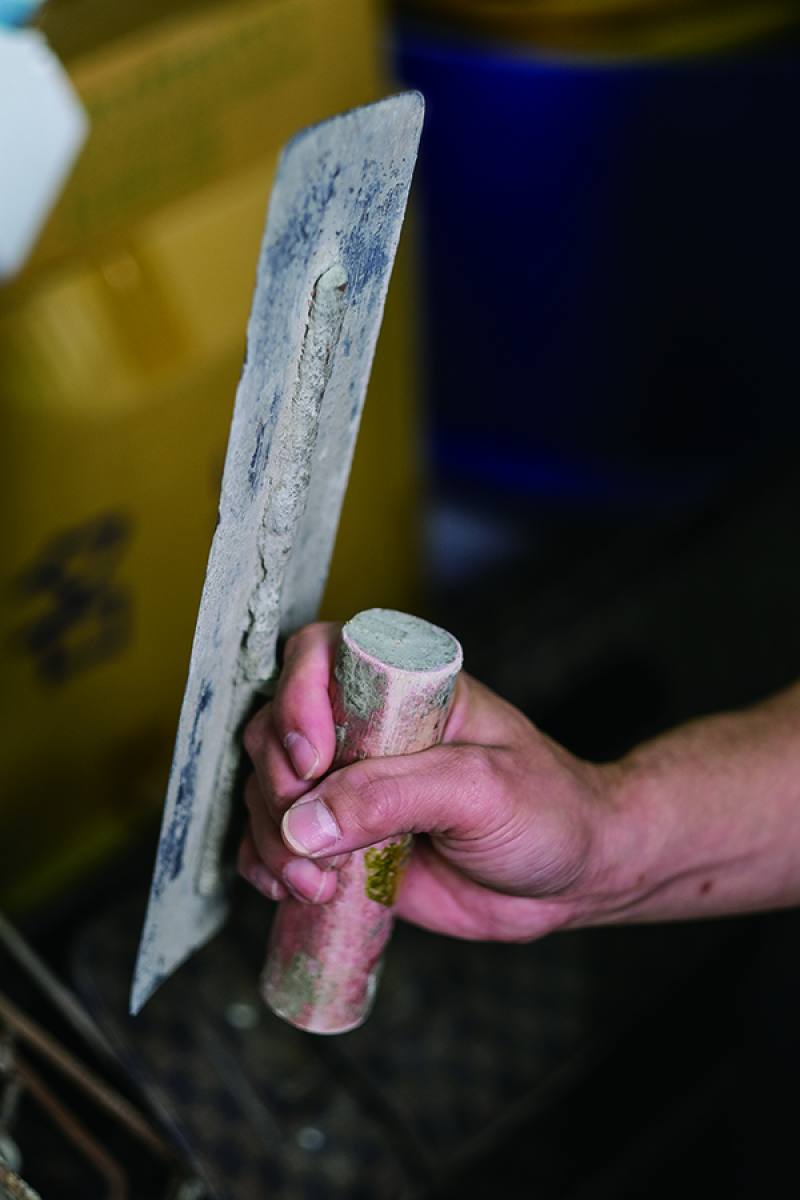
一次因緣際會,木工朋友邀阿鴻開設鏝抹無框畫課程,他嘗試把水泥當媒材,鏝刀成了畫筆,每一次堆疊、刮抹,都是獨一無二的紋理。
阿鴻會為欣賞他作品的有緣人,提供主題牆創作的服務。沒有草圖,只憑初步了解屋主喜好,其餘就是現場即興發揮。他笑說,每面主題牆創作都像是「開盲盒」,水泥乾燥前的深淺變化、光影投射後的陰影層次,都無法完全複製,那是專屬於當下的創作。
從當學徒的滿身苦澀塵土,到如今以鏝刀盡情揮灑藝術,阿鴻用他的人生證明──「做工,是件很帥的事!」
The Troweling World of Cement Artist Ah Hong
In a corrugated metal warehouse, a series of relief-like 3D abstract paintings meets the eye. There are layers of white and colored cement in these works, with bold and unrestrained yet finely detailed patterns in them. All were produced by “cement artist” Ah Hong.
This creative individual, with his trademark chinstrap beard, has been active on construction sites for more than 30 years. He is a cement craftsman, writer and artist who has mastered the skills to beautify walls in the course of shaping a life for himself.
A cement life from bitter to sweet
Ah Hong was in a gifted and talented program in junior high school, and tested into the prestigious National Tainan Second Senior High School. But when he was 15 his family, deep in debt, did a midnight flit, and his dreams of further education ended. He worked at construction sites alongside his uncle, carrying heavy bags of cement and shouldering the burden of supporting his family.
His grandfather and uncles were all professional cement masons, and he says with a laugh: “I had six masters training me as the only apprentice.” The basic tasks of carrying bags of cement and mixing mortar were physically demanding. Ah Hong’s education in cement was based on watching the master masons at work and figuring out what they were doing, though he had to stay on his toes to bring them whatever materials they wanted when they wanted them. One mistake and the professionals would get so angry they would slam their tools to the ground.
Learning by trial and error, Ah Hong mastered the job. There are many tasks to masonry, from floor screeding and gap filling to bricklaying and tiling, and each one must be done precisely. Ah Hong remarks with a smile that it took him five years as an apprentice before he began earning a master mason’s pay, indicating that it was only then that his teachers finally approved of his ability to complete each task properly. Precisely because he is well aware that training in cement masonry is not easy, he often shares tricks of the trade online, and in recent years he has systematized his experiences into a book of techniques.
I am proud of my trade
Most people think of cement masons as uncouth, unkempt, and careless, but Ah Hong is different. When he talks about the details of masonry it is as if he is talking about fine art, and he is especially meticulous about smooth finishes and clean edging. He neither smokes nor chews betelnut, keeps his warehouse well organized, and insists that work sites be tidy. His self-discipline and attention to detail are far from what most people imagine when they think of masons.
Since the advent of the blogging era, Ah Hong has shared his works and techniques online. He forthrightly uses Shuini Gong (“cement mason”) as the Chinese name of his Facebook fan page, showing respect for his profession. Long years of a good word-of-mouth reputation have even led to Ah Hong being invited to Hong Kong to demonstrate how to make feature walls in fair-faced concrete. The respect he has received from international interlocutors has made him aware of the value of being a master craftsman, and he says that the skills needed for cement masonry are carved into the bodies of professionals who cannot be replaced by machines or AI. “Taiwan is second to none in the workmanship, skills, and attitudes of its master masons.” Quality is his greatest source of confidence.
Treating walls as blind boxes
In the past, cement work played only a supporting role in architecture. After a wall was finished with a smooth cement render, it was covered up by paint, tiles, or wood paneling. But with the rise of fair-faced concrete and the wabi-sabi style of interior design, which finds
beauty in original materials, minimalism, and imperfection, white cement has become a center of attention.
Once a woodworker friend of Ah Hong’s invited him to teach a class in cement trowel painting on canvas. He began treating cement as a medium and his trowel as a paintbrush, with each step of layering and scraping leading to unique patterns.
For people who appreciate his style, he decorates feature walls with his artworks. Operating without a preliminary sketch, he ad libs on the spot. He says with a chuckle that each feature-wall artwork is like “opening a blind box.” The variations in depth as the cement dries, and the changes in light and shadow produced by light projected against each surface, are impossible to repeat exactly—they are creative products exclusive to the moment.
From his days as an overworked apprentice to his freewheeling troweled art of the present day, Ah Hong’s life is proof that “working a trade is a very cool thing!”