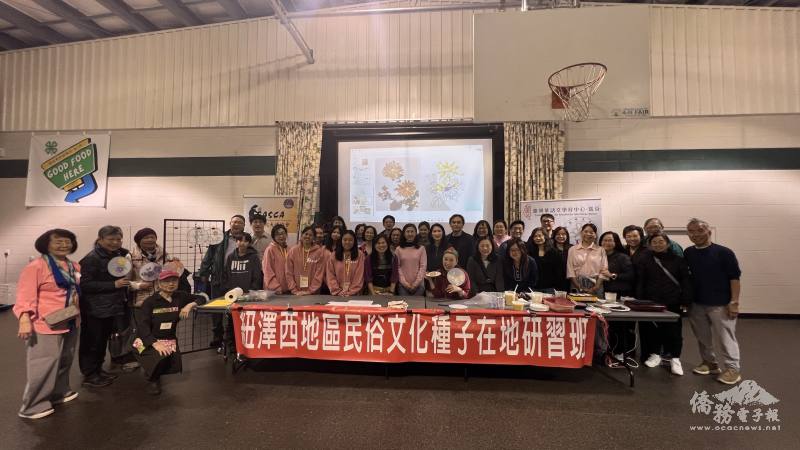
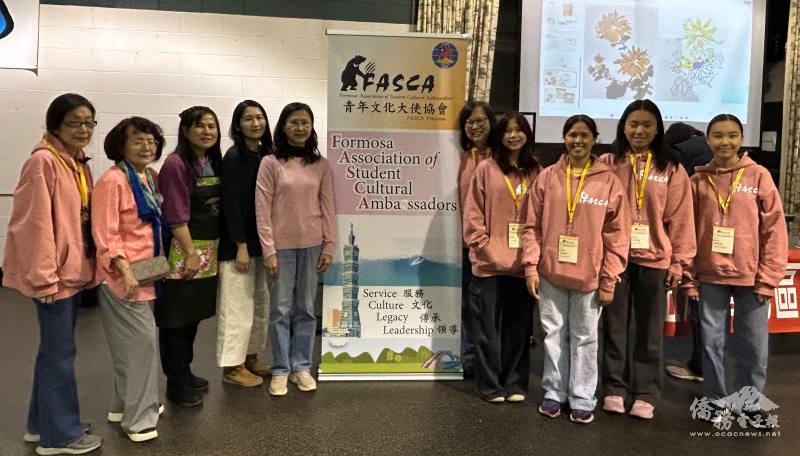
BRIDGEWATER, NJ — April 25, 2026 — Close to 60 participants gathered for a vibrant Cultural Teacher Training event, where FASCA Princeton members experienced an afternoon filled with cultural exploration, teamwork, and meaningful connection.
As a second-generation Taiwanese American, stepping into a large room of unfamiliar faces can feel intimidating. For many FASCA students, the experience began with introductions and event setup. Early on, participants encountered a challenge: a language barrier. While some students were not fully comfortable with Mandarin, several instructors had limited English proficiency. Despite initial confusion, students worked together—translating, clarifying, and supporting one another. This shared experience quickly transformed into a powerful bonding moment.
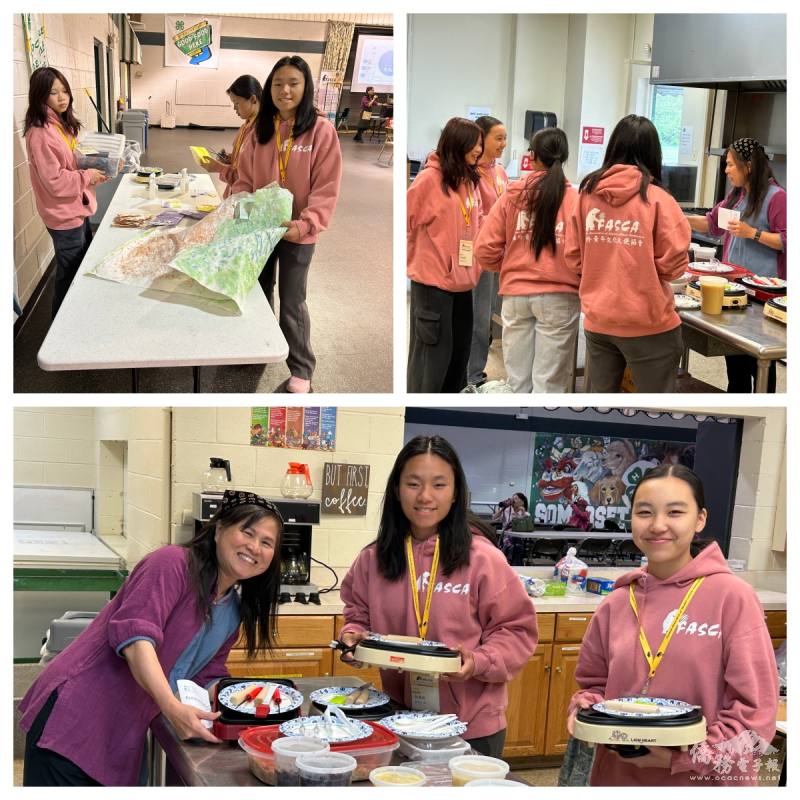
Simple preparation tasks, such as cutting large sheets of paper into smaller pieces, became opportunities for conversation and connection. What started as a routine activity soon evolved into laughter, small talk, and the beginning of new friendships.
The event was honored by the presence of distinguished guests, including Deputy Director Li-Shang Chang (張麗賢) of the Taipei Economic and Cultural Office in New York (TECO-NY), Director Yi-Ju Wang (王怡如) of the Culture Center of TECO-NY, and ANJCS President Nelson Tai, who warmly greeted participants and encouraged youth engagement in cultural preservation.
Deputy Director Chang remarked, “It is inspiring to see young Taiwanese Americans come together to learn, serve, and preserve their cultural heritage. You are the bridge connecting Taiwan to the world.”
Director Wang added, “Culture is best learned through experience. By participating in hands-on activities like these, you are not only learning traditions but also passing them on to future generations.”
ANJCS President Tai shared, “Your willingness to volunteer and engage with the community reflects the true spirit of leadership. These experiences will shape you into future cultural ambassadors.”
As the program officially began, students were introduced to the day’s activities, which included making Taiwanese wheel cakes and creating tear-painted round fans. Many participants were surprised and excited to learn about the wheel cake-making process, a beloved Taiwanese street dessert tradition.
Under the guidance of instructors, students created five classic flavors: custard cream, red bean, mung bean, coconut taro, and savory shiitake mushroom with radish. FASCA Princeton Counselor Tina Liu explained that wheel cakes are one of Taiwan’s most iconic street foods, and the session aimed to replicate authentic night market quality. The result was a delightful treat—crispy on the outside with warm, flavorful fillings that “burst” with each bite.
FASCA student Allison Li reflected on her recent participation in filming the Taiwanese reality show “Have a Seat 請世界吃桌” in Times Square, where wheel cakes were featured as the final dessert. “I didn’t get to taste them then, so being able to enjoy a freshly made red bean wheel cake here was really special,” she shared.
In addition to culinary activities, students explored traditional art by creating tear-painted designs on round fans. Instructor David Liang guided participants through the process of layering torn colored cotton paper to form intricate designs. Each piece was unique—some resembling oil paintings with bold textures, others reflecting the soft elegance of ink wash art. Designs included blooming chrysanthemums and bamboo, symbolizing resilience and integrity.
The round fan itself holds deep cultural significance, historically associated with elegance and literary expression. By combining traditional symbolism with modern creativity, students gained a deeper appreciation of their cultural heritage.
Events like this highlight the mission of FASCA: to empower young Taiwanese Americans to connect with their roots while developing leadership and communication skills. In just one afternoon, students not only learned about culture—they built friendships, overcame challenges, and created lasting memories.
Reported by FASCA Princeton – Grace Ni and Carissa Li