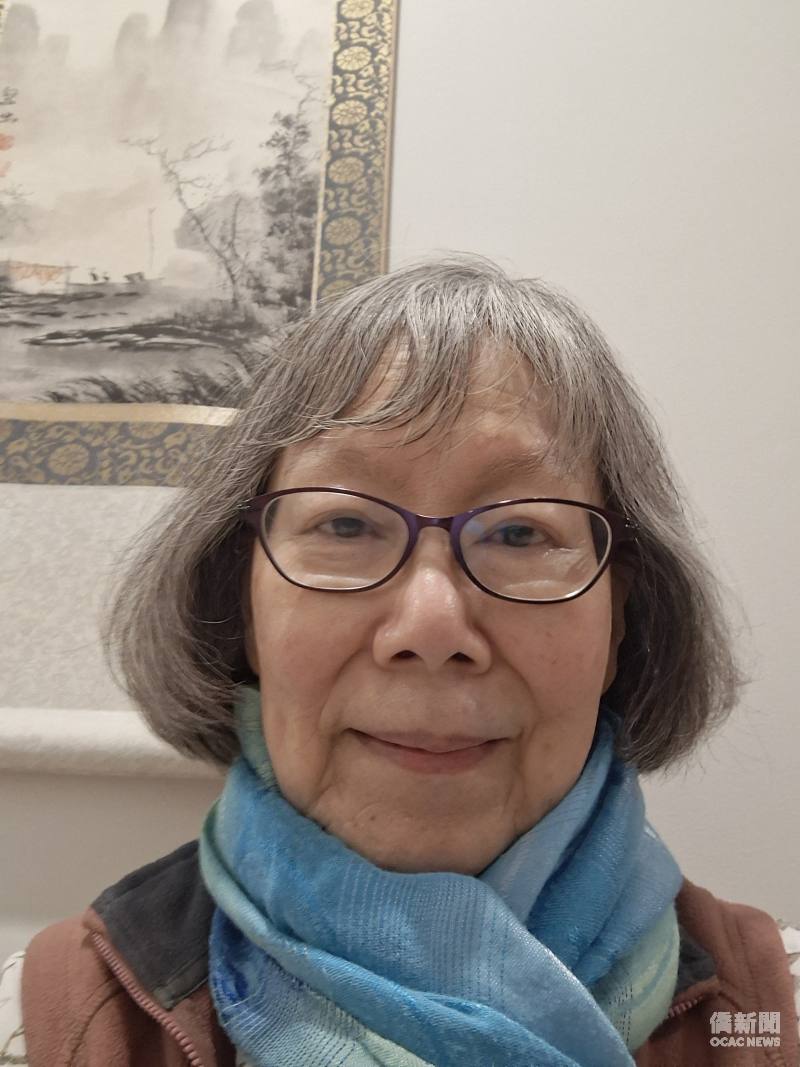
At five years old, Rosie Mok was already learning to write Chinese characters.
Growing up in a Mandarin and Yunnanese-speaking household in Singapore, she was taught Mandarin at home before she started school. She memorised passages from the San Zi Jing (Three Character Classic) and practised basic calligraphy.
Mandarin was not simply a school subject. It was part of her early life.
Then, gradually, English became the dominant language in her world.
After starting at an English-speaking school and later moving to New Zealand in 1973 after university, Rosie found herself living in an increasingly English-speaking environment. The language she had known as a child became something she used less and less.
Her Mandarin never disappeared completely. Instead, it became a language waiting quietly in the background of her life.
“I have a great love of my mother tongue. It is such a beautiful, rich and complex language, with so much depth and history.”
That affection for the language never left her.
Over the years, Rosie tried several times to bring Mandarin back into her life. While living in Toronto for two years, she studied with a Taiwanese teacher. After returning to New Zealand, she found another Taiwanese teacher in Kohimarama.
But life had other plans.
Family circumstances, illness and demanding work commitments repeatedly interrupted her studies. There were periods when continuing Mandarin simply was not possible.
It was only after retirement that Rosie finally had the time and opportunity to return to learning—and this time, she found a teacher close to home.
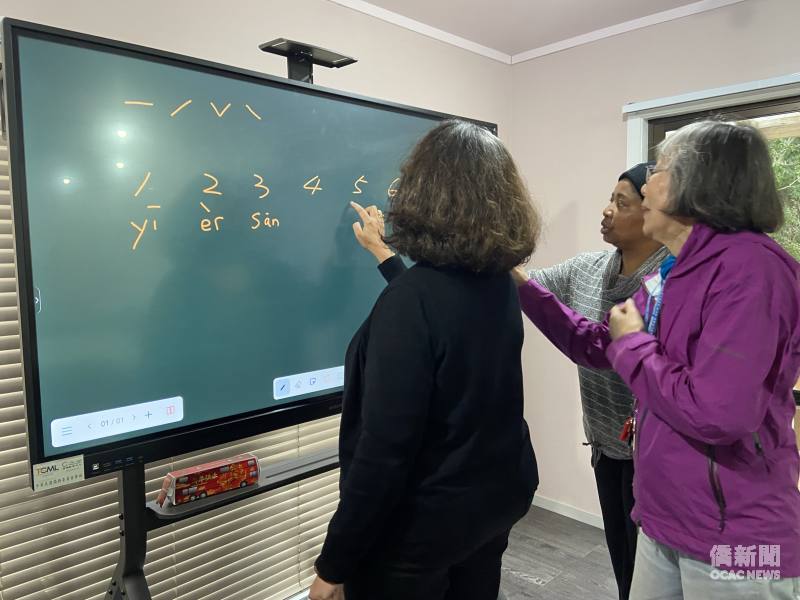
That teacher was Sheryl, at the Taiwan Center for Mandarin Learning (TCML).
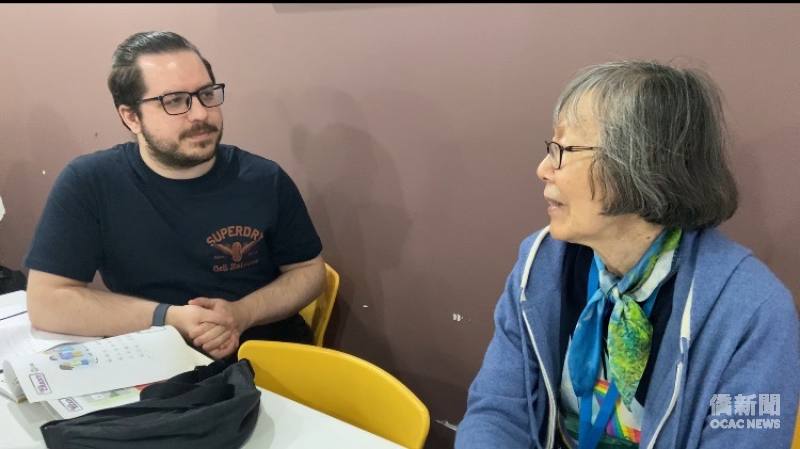
Rosie describes Sheryl as “a dynamic and conscientious teacher” who creates a fun learning environment and brings energy and creativity into the classroom.
What has made the experience particularly meaningful is that Sheryl does not treat Mandarin as something that belongs only inside a textbook.
A lesson might become a Taiwanese supermarket. Another might turn into a Mandarin auction, with students taking on different roles and using the language they have learned to negotiate, buy and sell.
For Rosie, these activities provide something that traditional classroom exercises cannot always offer: a reason to actually speak.
She describes them as “a wonderful and enjoyable practical experience in speaking Taiwan Mandarin.”
The classroom also gives Rosie something else she values—the opportunity to reconnect language with culture.
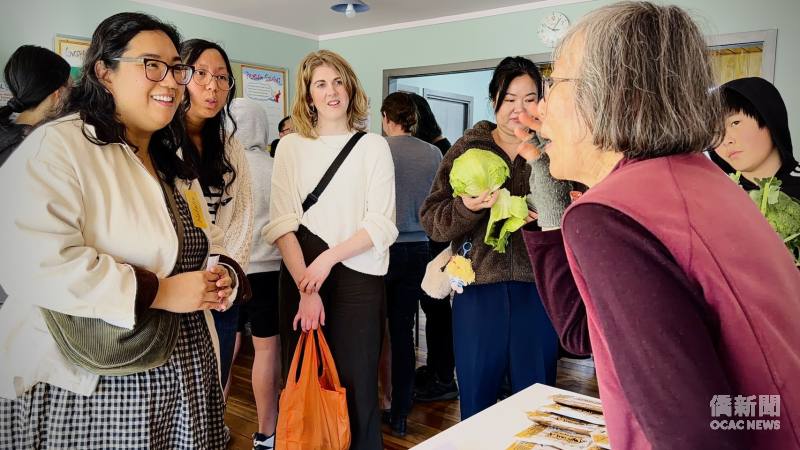
She has taken part in an activity exploring the history and cultural significance of incense, followed by making incense herself. She has also experienced a Taiwanese fresh food market organised at the school.
These experiences have helped bring cultural knowledge into the language lessons rather than treating culture as something separate.
And there is still more to come.
A Taiwanese tea ceremony is among the activities being planned, as well as an outing to a Chinese restaurant where students will have an opportunity to practise Mandarin in a more natural setting.
For Rosie, this combination of language and experience has made returning to Mandarin enjoyable rather than simply academic.
There is also a quiet sense of continuity in her story.
Her relationship with Taiwan began long before her current studies at TCML. Her late brother-in-law lived in Taiwan, and her niece now lives in Tainan. In 1981, Rosie even took her two children to Taipei for three months so they could attend Taiwan Mandarin classes. Her seven-year-old son became quite fluent during their stay.
But these details are not simply memories from the past. They form part of a much longer relationship between Rosie and the language she is now studying again.
Today, she is bringing Mandarin back into ordinary moments in New Zealand.
She tries using Taiwan Mandarin with her children and with Taiwanese neighbours. Each conversation gives her another opportunity to practise—and another reason to keep going.
“As my Taiwan Mandarin improves, I hope I can cultivate closer friendships with them.”
That sentence perhaps captures what learning means to Rosie now.
She is not trying to recreate the Mandarin-speaking childhood she once had. She is creating a new relationship with the language, one that fits the life she has today.
There is something particularly powerful about learning a language in retirement. Without the pressures of exams or career advancement, the motivation becomes deeply personal: curiosity, connection, enjoyment and the desire to keep an important part of oneself alive.
Rosie’s story also highlights another side of language education at TCML.
A classroom can be a place where language is recovered, but it can also be a place where culture, memory and new relationships come together.
For someone who first encountered Mandarin as a young child in Singapore, then spent decades living primarily in an English-speaking environment, returning to Mandarin is not simply about learning new vocabulary.
It is about giving an old language a new place in her life.
And perhaps that is why Rosie continues to arrive at class ready to learn, practise and speak.
The language may have been part of her childhood.
Now, in this new chapter of her life, she is choosing to make it part of her future.