文‧鄧慧純 圖‧林格立
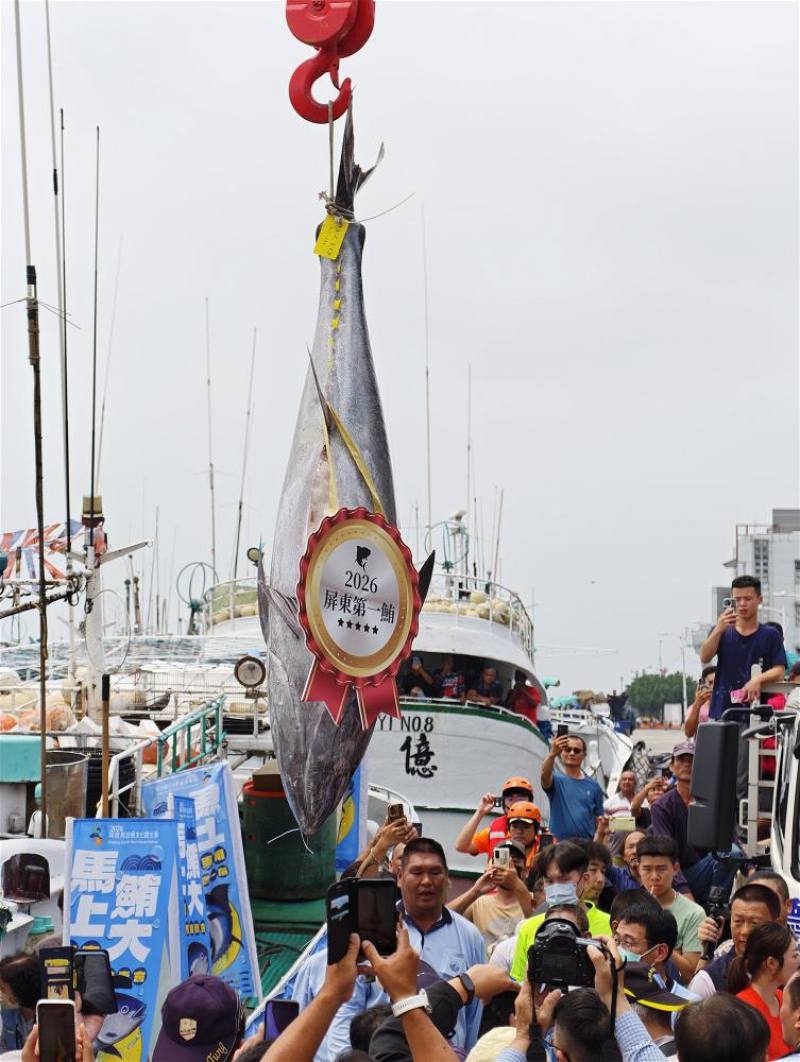
國境之南的屏東東港,每年初夏,會因黑鮪魚季而喧騰。隨著「第一尾」拍賣會的高聲競價揭開序幕,整座小鎮進入長達兩個月的節慶節奏:市場裡滿溢新鮮漁獲,餐桌上端出各式當季限定的鮮美。
這不只是漁民豐收的時刻,也是一場結合產業與文化的年度盛事,更是台灣守護黑鮪魚有成的永續典範。
黑鮪魚洄游的一生
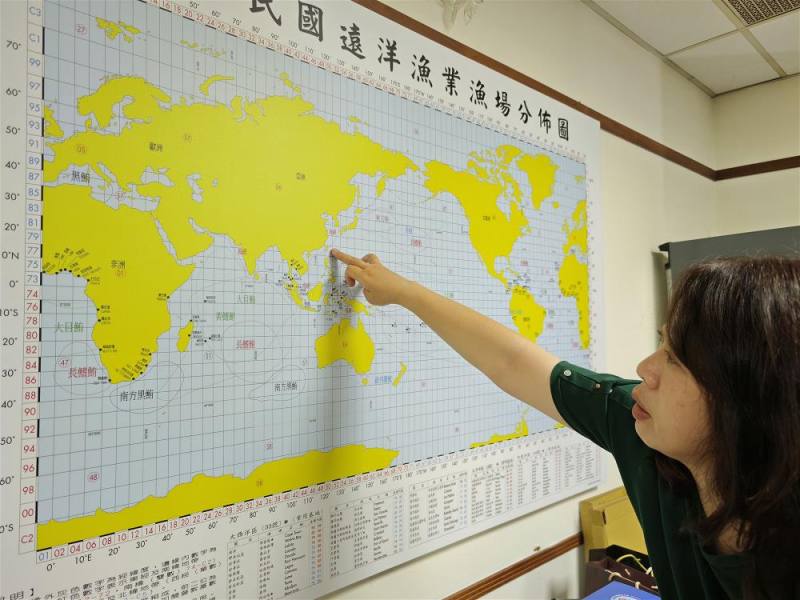
一生在北太平洋洄游的黑鮪魚,在溫暖的西太平洋海域誕生,稚魚期多半停留在日本周邊覓食,隨後展開長距離的壯「游」,向東遷移至美洲沿岸度過青少年期。約五、六歲性成熟後,本能驅使著牠們踏上歸途,回到出生海域產卵。
長年投入海洋資源保護與漁業生態研究的國立中山大學特聘教授張水鍇解釋,台灣東部黑潮本身營養鹽雖低,但強勁流軸衝擊海底高地後引發湧升流,將深層營養鹽帶上表層提供豐富餌料。搭配溫暖的水溫,使台灣海域成為黑鮪魚至關重要的產卵場之一。
跨國界的洄游路徑,讓日本、韓國、美國、墨西哥與台灣共同分享這份海洋恩賜。日本周邊海域是重要的育幼場,以稚魚與留在西太平洋成長的幼魚為主;美、墨沿岸則多見長途遷移至該處度過青少年期的幼魚;而來到台灣的,則是準備回到出生地產卵的成魚。
在大海中點名:黑鮪魚的海洋大數據
台灣捕抓黑鮪魚的歷史由來已久;然而進入21世紀初,全球黑鮪魚資源量卻一度跌至谷底,張水鍇說:「曾一度剩下原初黑鮪資源量的2%。」
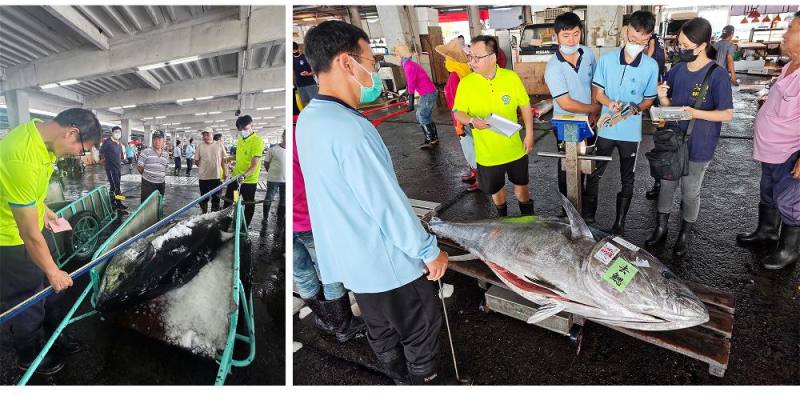
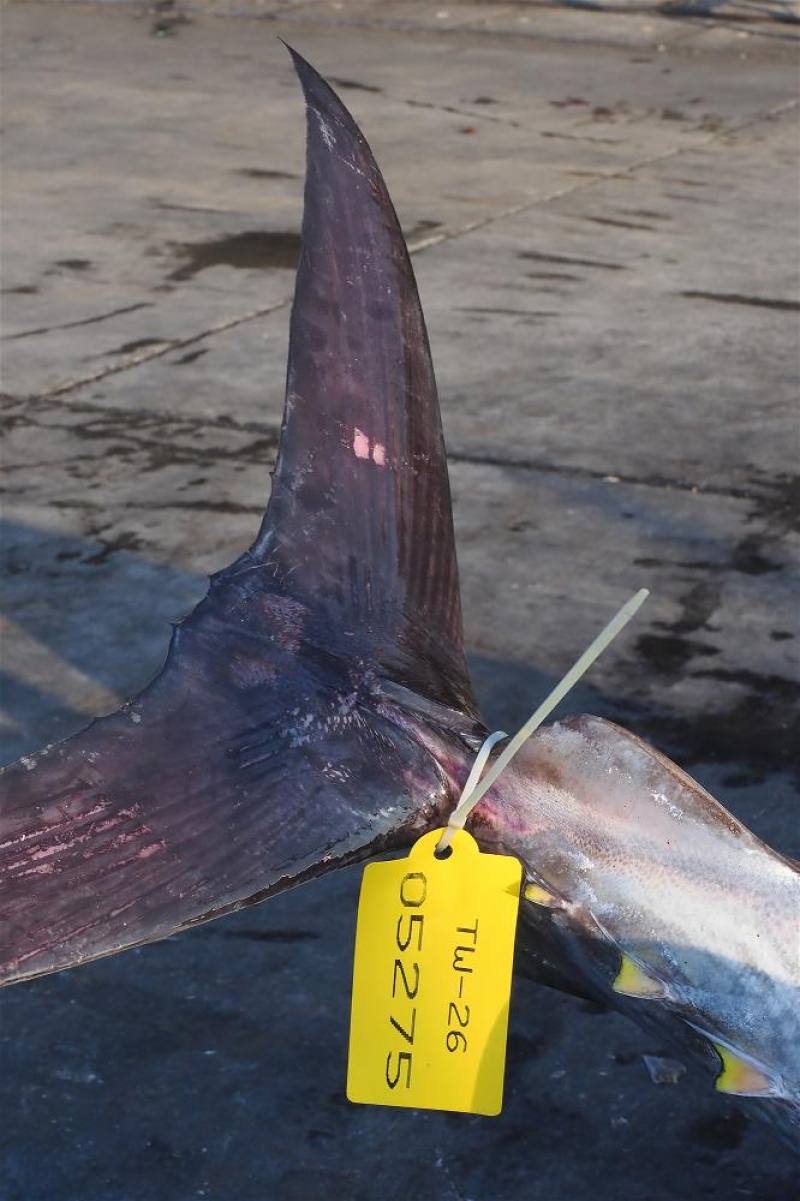
張水鍇說明,在黑鮪資源衰退時,台灣是第一個採取管理加強的國家。2010年率先實施「黑鮪漁獲證明書」(Catch Document Scheme, CDS)及綁繫標籤(tag) 的管理措施。漁民在海上捕獲黑鮪,即須以無線電通報捕獲的經緯度、標籤號碼、體重等資料,同時在尾端繫上標籤,標籤上的編號等同魚的身分證字號。
進港後,透過體長驗證與耳石採集,這些精確的個體資訊轉化為高度可信的科學大數據,讓台灣得以精準掌握黑鮪資源的消長與分布,進而為國際科學界提供極具說服力的實證基礎。
數據的力量:從2%到23%的逆轉
以此數據為基底,科學家能精確評估黑鮪資源現況,提供國際組織制定跨國捕撈配額。研究更發現,減少幼魚捕撈對資源恢復的效果遠比限制成魚顯著;唯有大幅削減幼魚漁獲量,黑鮪族群才有機會休養生息,讓資源復甦。
捕撈配額攸關各國經濟利益,因此管理制度必須建立在具公信力的科學基礎上。張水鍇指出,台灣透過高品質資料與研究成果,為全球黑鮪資源評估補足關鍵拼圖。這份實證引導國際組織達成減產共識,並在各國共同遵守規範下,資源恢復進度超乎預期,原定2034年達成回升至20%的目標已於2022年提前達標且超過。這份成績單不僅驗證了科學管理的正當性,也是台灣與國際社會共築海洋永續的證明。
黑鮪成為東港城市品牌
如此的資源復甦,在地方則轉化為一年一度的季節慶典。每年初夏長達兩個月的黑鮪魚文化觀光季,吸引了如織的人潮。東港區漁會總幹事鄭鈺宸說:「透過幾任縣長的努力,把原本單一的漁業產業,轉化為一整套可以被看見、被參與的觀光體驗。20多年來,黑鮪魚儼然成為東港的品牌。」
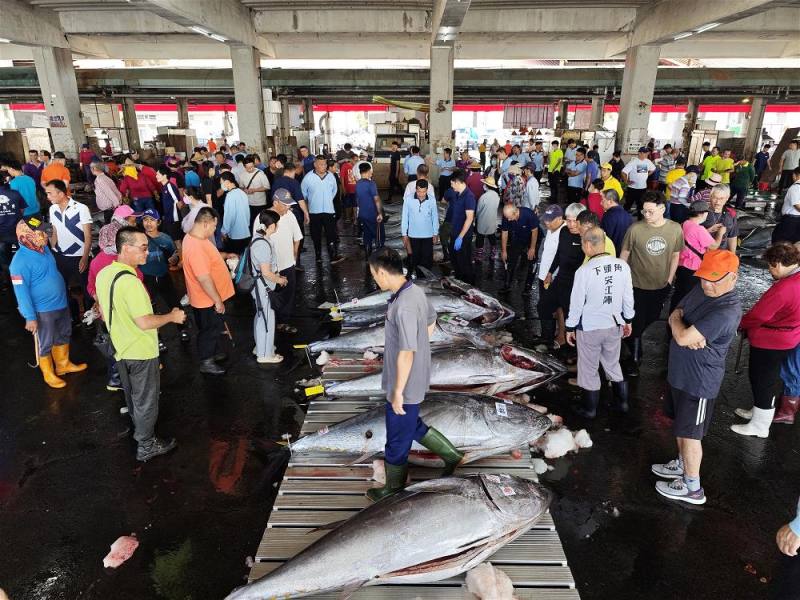
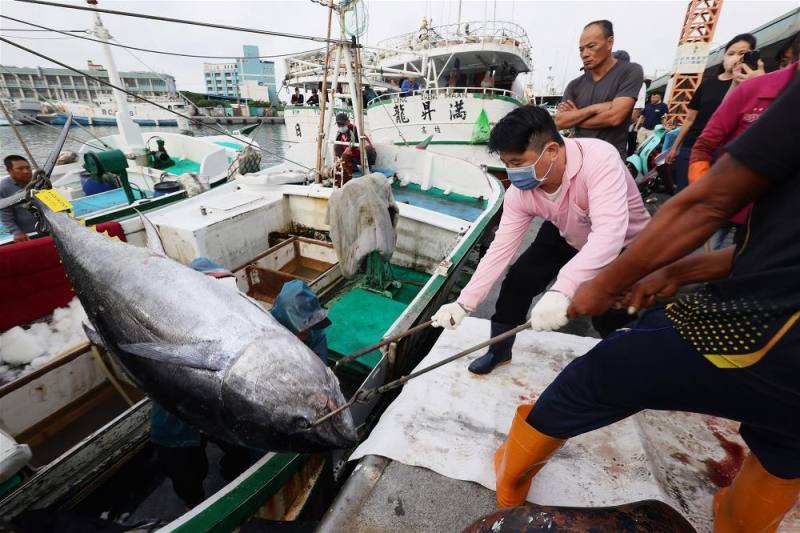
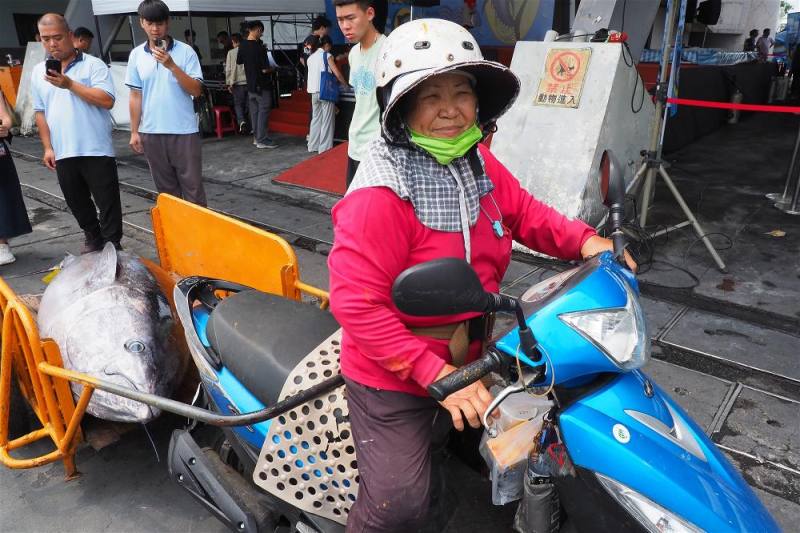
清早六七點,走進東港鹽埔漁港,可觀賞一尾尾黑鮪從船艙裡被吊起,隨後議價、競標、秤重,感受拍賣現場的節奏與張力;交易後的黑鮪,要再分解,只見專業人員拿著各式的刀具刨去鱗片,再縱刀一劃,分切黑鮪,手法俐落如飛,一氣呵成。
若與當地漁民攀談,他們會告訴你,母親節前的「海頭魚」肉質最肥美,潮汐、月圓也會影響漁獲量,還有如何從魚身姿態、顏色、眼睛清濁判別魚的鮮度,那不是書本上的知識,而是濃縮了一輩子的海洋經驗。
拍賣結束後,不妨鑽進熱鬧的華僑市場,挑選當日現流的漁獲,交由店家代客料理;或沿著光復路走一段,整條街的海產店鋪一字排開,從生魚片到熱炒,各有門道。從港口到餐桌,黑鮪魚不只是味覺的享受,更是一段可以被走讀、被理解的地方文化。
Donggang’s Bluefin Tuna Destiny
Donggang Township, in Taiwan’s southernmost county of Pingtung, brims with excitement when the Pacific bluefin tuna arrive. From the opening ceremony of the auction for the season’s first catch, the town takes on a festive atmosphere that lasts two months. This is not only the time for bumper tuna catches, but a major annual event combining industry and culture that highlights Taiwan’s efforts to conserve this species.
The life of a bluefin tuna
Bluefin tuna spend their lives migrating about the Pacific Ocean. Born in the warm seas of the Western Pacific, they spend most of their larval and juvenile stages near Japan. Thereafter, they undertake a marathon swim to the coast of North America, where they spend their adolescence. After reaching sexual maturity at five or six years old, they are driven by instinct to return back across the Pacific to spawn in the seas where they were born. The bluefin tuna caught off Taiwan are in the adult stage.
Eric Chang (Chang Shui-kai), a distinguished professor at National Sun Yat-sen University who has spent many years studying marine conservation and ecology, explains that while the Kuroshio Current, which runs along Taiwan’s East Coast, is itself low in nutrients, the upwelling that occurs when it strikes undersea highlands drives abundant deepwater nutrients to the surface. This food source, combined with warm water temperatures, makes the seas around Taiwan into a major spawning ground for bluefin tuna.
Data on bluefin tuna
Taiwan has a long history of bluefin tuna fishing. However, early in the 21st century, global bluefin tuna populations reached rock bottom. Eric Chang says: “At one point they fell to only 2% of their original level.”
In response, Taiwan was the first country to adopt stronger management measures, pioneering the implementation of the Catch Document Scheme (CDS) and tagging in 2010. Fishermen catching bluefin tuna at sea must report data including latitude and longitude, tag number, and weight of catch, and attach an ID tag to the tail of each fish. In port, the fish are measured for length and their otoliths (inner ear bones) are extracted for scientific testing. The accumulated data enables Taiwan to accurately track the size and distribution of bluefin tuna populations and offer useful evidence to international scientists.
Recovery: From 2% to 23%
Using this data, scientists are able to accurately assess the status of bluefin tuna resources and provide this information to regional fisheries management organizations (RFMOs) to determine national catch quotas. In addition, research has indicated that reducing the catch of juvenile fish is far more effective in restoring resource levels than restricting the catch of adult fish.
Catch quotas affect national economic interests, so management must be based on credible scientific evidence. Eric Chang notes that Taiwan’s high-quality data has made key contributions to the international assessment of bluefin tuna resources that has led to RFMOs reaching consensus on reducing production. Thanks to collective respect for the rules, bluefin tuna populations have recovered much faster than anticipated, with the 2034 target of 20% having been reached in 2022.
A symbol of Donggang
The Pingtung Bluefin Tuna Cultural Tourism Festival, held for two months each year in early summer, attracts large crowds of people. Cheng Yu-chen, executive secretary of the Tung Kang (Donggang) Fishermen’s Association, says: “Thanks to the efforts of successive county mayors across two decades, a basic industry has been transformed into an exciting tourism experience, making bluefin tuna into a symbol of Donggang in the process.”
Entering Donggang’s Yanpu Fishing Port at six or seven in the morning, one can see bluefin tuna being hoisted off fishing boats, followed by the tense rhythms of the auction. Once a transaction is completed, expert workers wielding various kinds of knives remove the scales and cut up the tuna with swift and practiced motions.
If you chat with local fishermen, they will tell you that bluefin tuna caught before Mother’s Day (the second Sunday in May) have the choicest meat, and also that tides and the phases of the moon affect the catch. They can also teach you how to judge the freshness of the fish, a skill learned not from books but from a lifetime of experience.
After the auction you can visit the busy Huaqiao Seafood Market, where you can select seafood caught that very day and have it cooked up by on-site vendors. Or take a stroll along Guangfu Road, where a whole line of seafood restaurants offers everything from sashimi to fish stir-fry, each with its own specialty. From port to plate, the bluefin tuna is not merely a culinary delight, but a tangible piece of local culture waiting to be experienced.