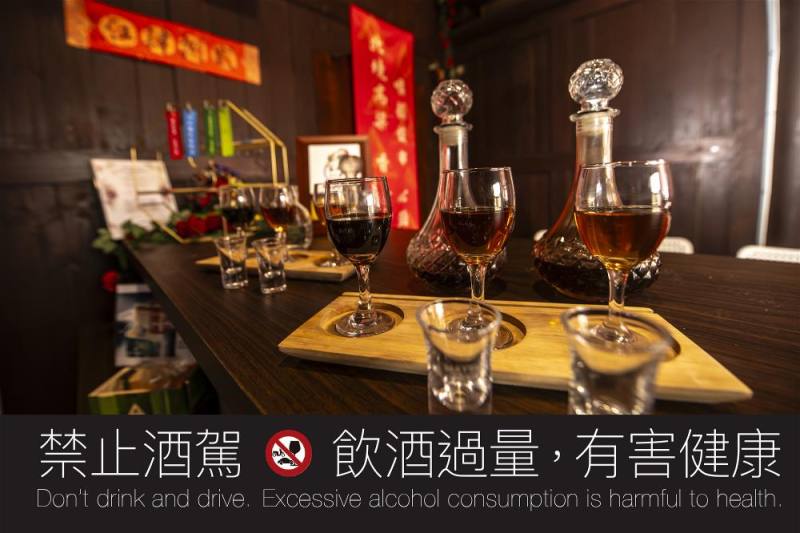
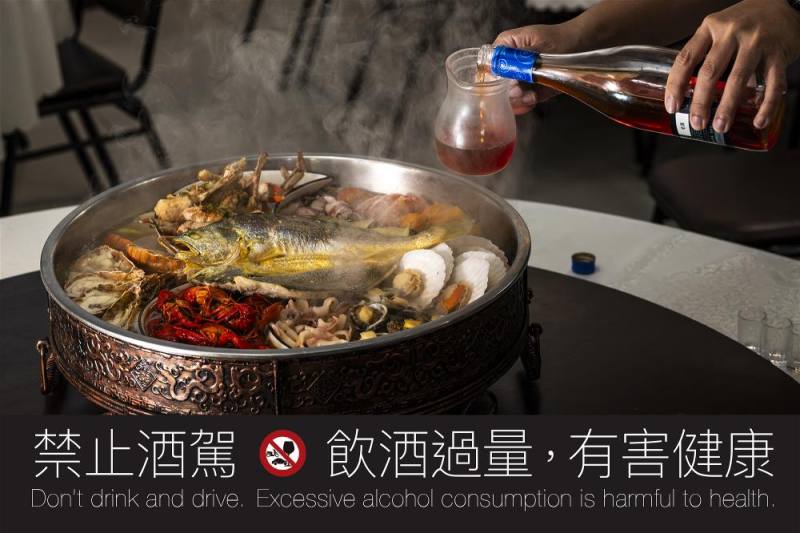
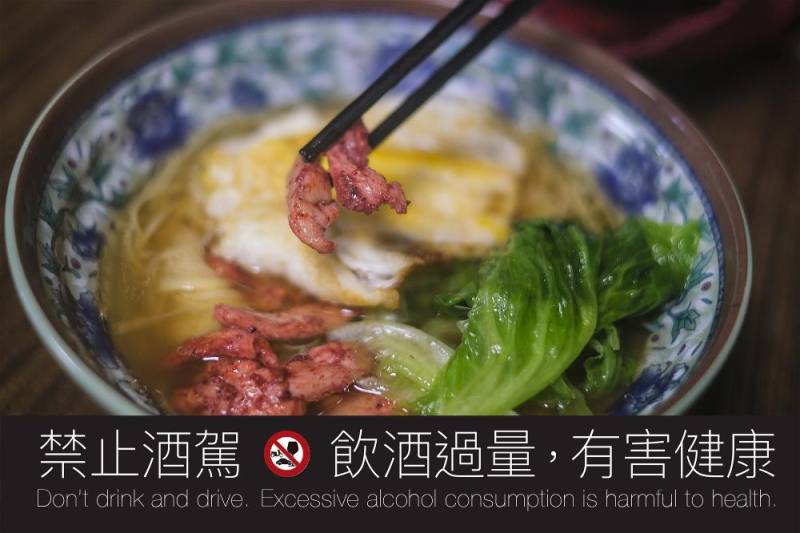
文‧王奐筑 圖‧莊坤儒
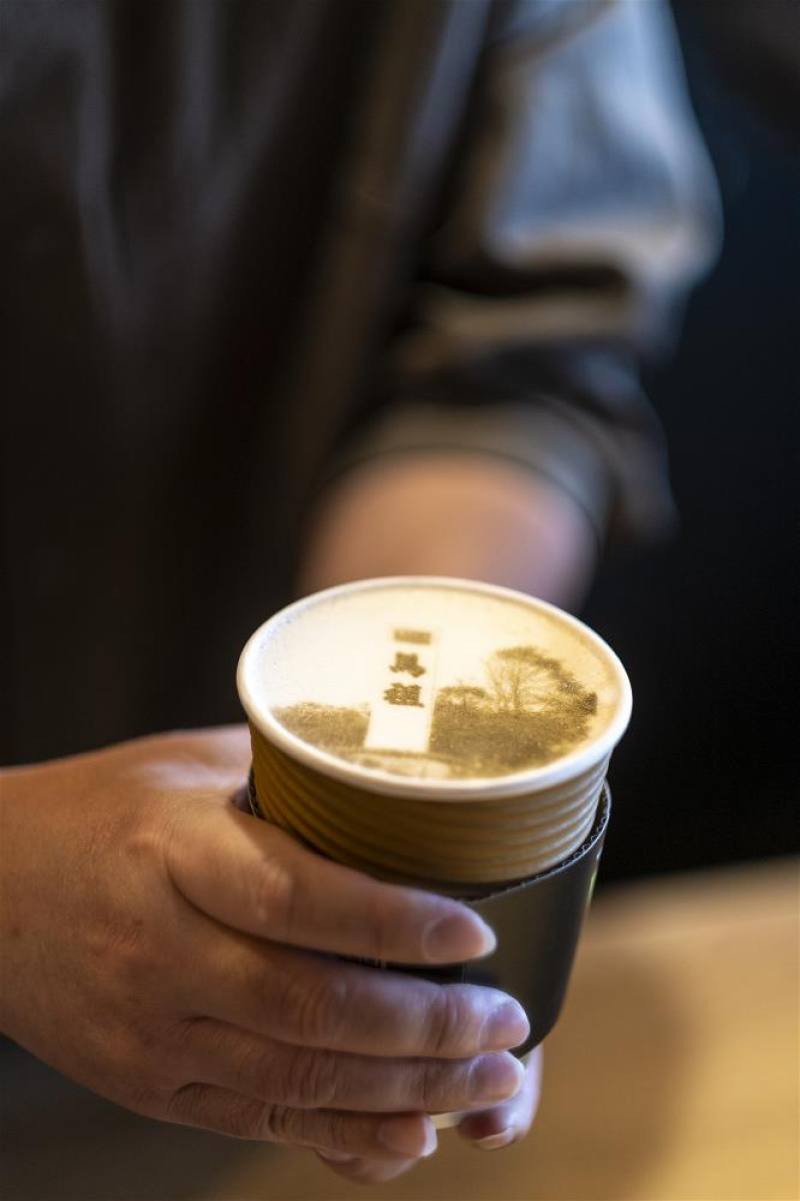
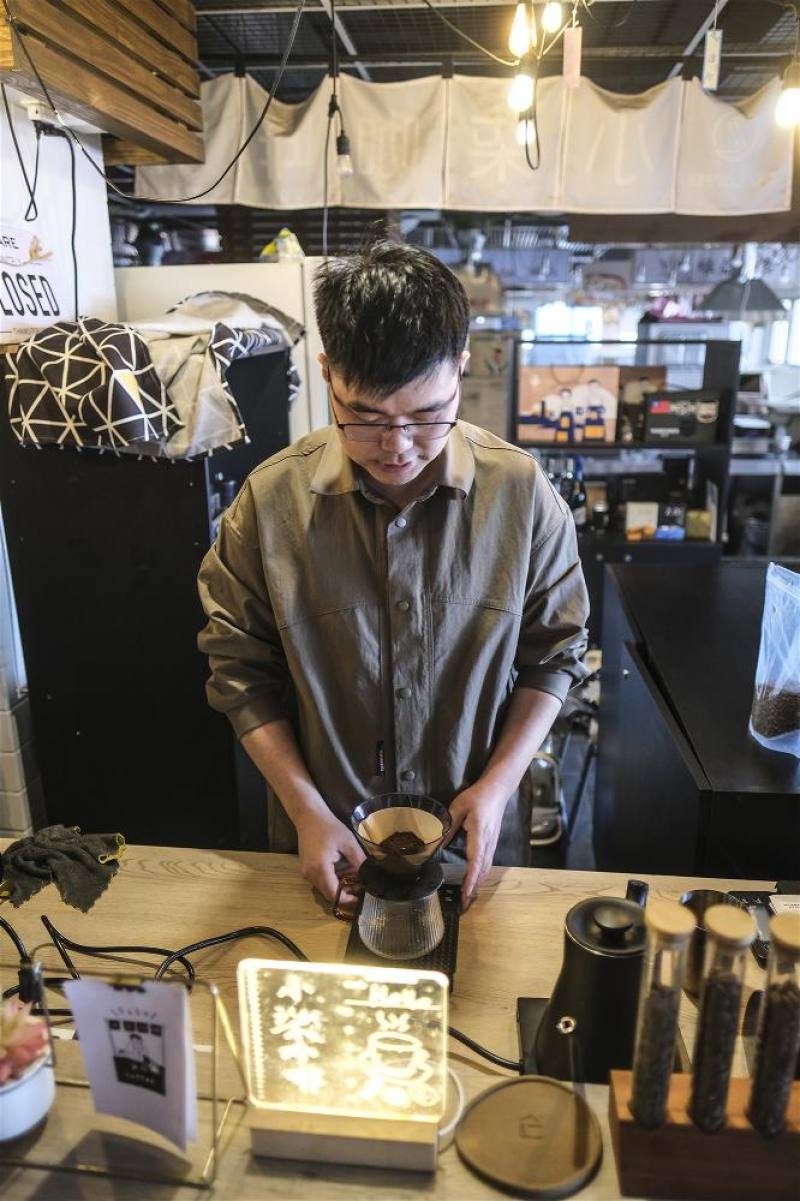
早上七點,馬祖南竿介壽獅子市場人潮正多。賣鼎邊糊、老酒麵線的攤位間,飄出一縷咖啡香。旅人在「小柒咖啡」吧台前喝下一口,露出驚喜神情,這就是招牌的「老酒咖啡」。老酒,這個昔日的家常滋味,如今正被重新品味。
老酒的「老」,是福州話「地窖」之意,指酒封進陶甕裡,在歲月中慢慢氧化、熟成,最後留下滑順口感。以糯米與紅麴發酵製成的老酒,是閩東移民帶來的釀造文化。在物資缺乏年代,原料簡單的老酒,是漁民禦寒、婦女坐月子的滋補品;釀酒剩下的紅糟則入菜,成為紅糟排骨、紅糟鰻、紅糟炒飯等料理的靈魂,也是馬祖人的成長記憶。
然而隨著軍管時期禁止私釀販售,加上消費習慣改變,老酒漸漸流失主顧。反而是酒廠生產的高粱酒,成為馬祖酒類產銷主力。老酒還一度被視為老人家喝的酒。
從地方酒廠到品牌經營
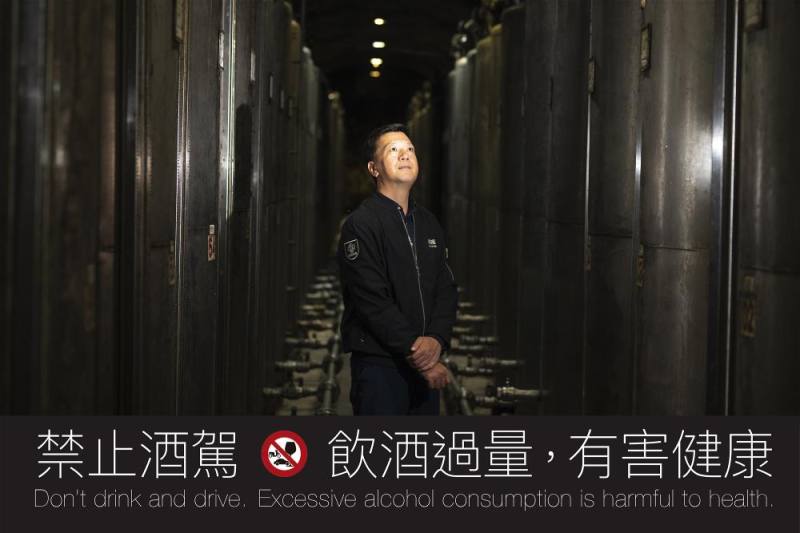
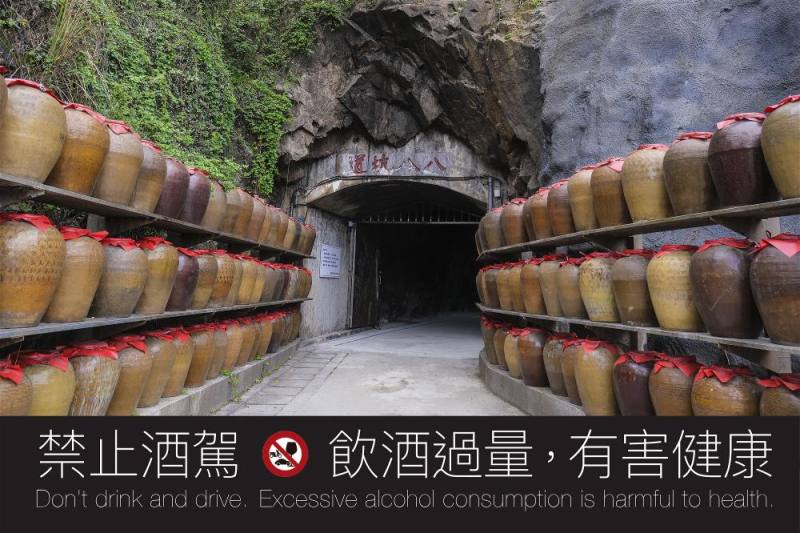
八八坑道窖藏、純淨水質、與釀製工藝,向來是馬祖酒廠品質的基石,但真正帶動產值提升的,則是品牌建立。馬祖酒廠總經理劉九銘說,過去酒廠多以代工與客製化業務為主,直到2016年前後才專注經營自有品牌。「商標就是你的臉,無商標不生意,」他說。
新的標誌圖騰以酒罈、麻繩與海浪構成,象徵島嶼酒廠的意象,再搭配總經銷制度、包裝設計與行銷策略、參與國際烈酒競賽以及白沙屯媽祖進香等活動盛事,提高品牌能見度,拓展全台與海外市場。
劉九銘說,高粱酒雖是市場主力,但酒廠仍堅持生產老酒,因為它是馬祖獨特的文化標的,更是品牌的重要資產。
當老酒遇上新世代
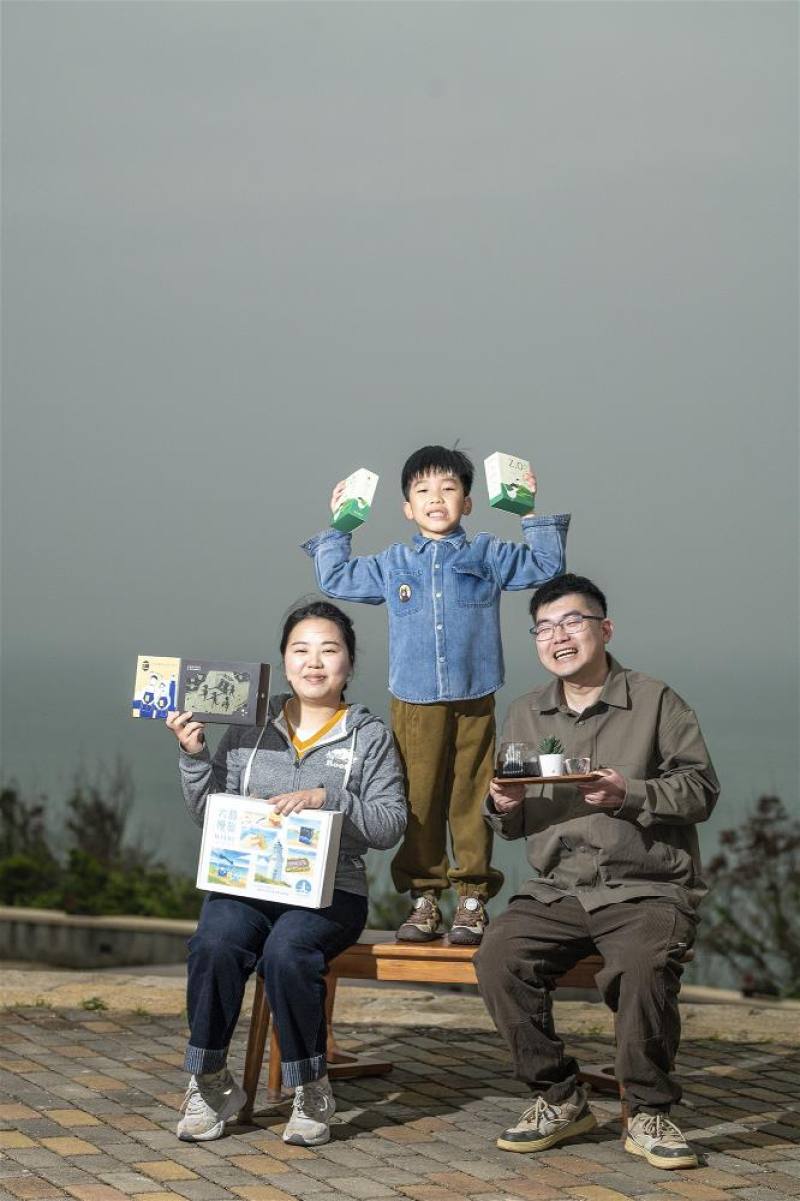
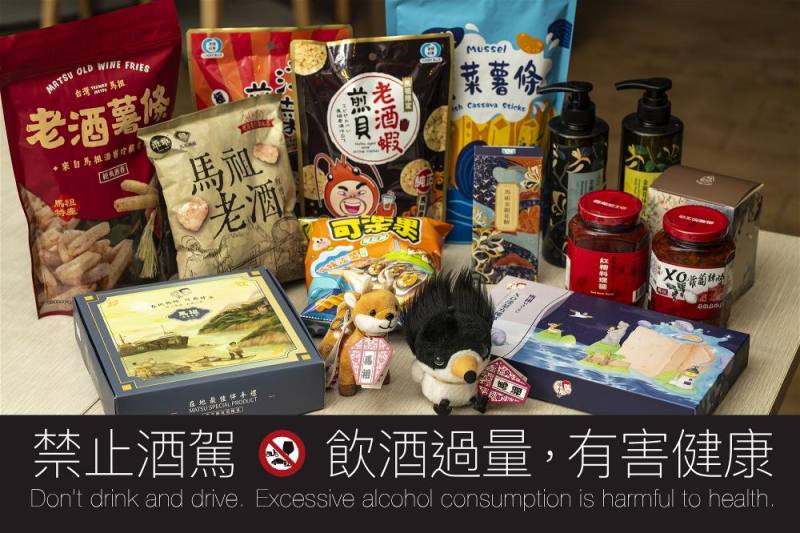
另一股改變力量,來自年輕人的創意。「小柒咖啡」創辦人邱思奇返鄉後,把對精品咖啡的熱情帶回馬祖,將老酒與高粱融入咖啡豆烘焙,推出獨具特色的「馬祖酒香咖啡」,並結合藍眼淚、擺暝文化與媽祖意象設計包裝,讓在地故事隨咖啡香氣傳遞出去,更獲得台灣百大伴手禮等多項殊榮。
在經濟部、連江縣政府與統一超商好鄰居文教基金會等支持下,短短八年間,小柒咖啡從市場小攤一路打進台灣高鐵、百貨與超商通路,並串聯在地夥伴,提供包裝設計與通路支援,成為地方產品的行銷門面與物流平台。
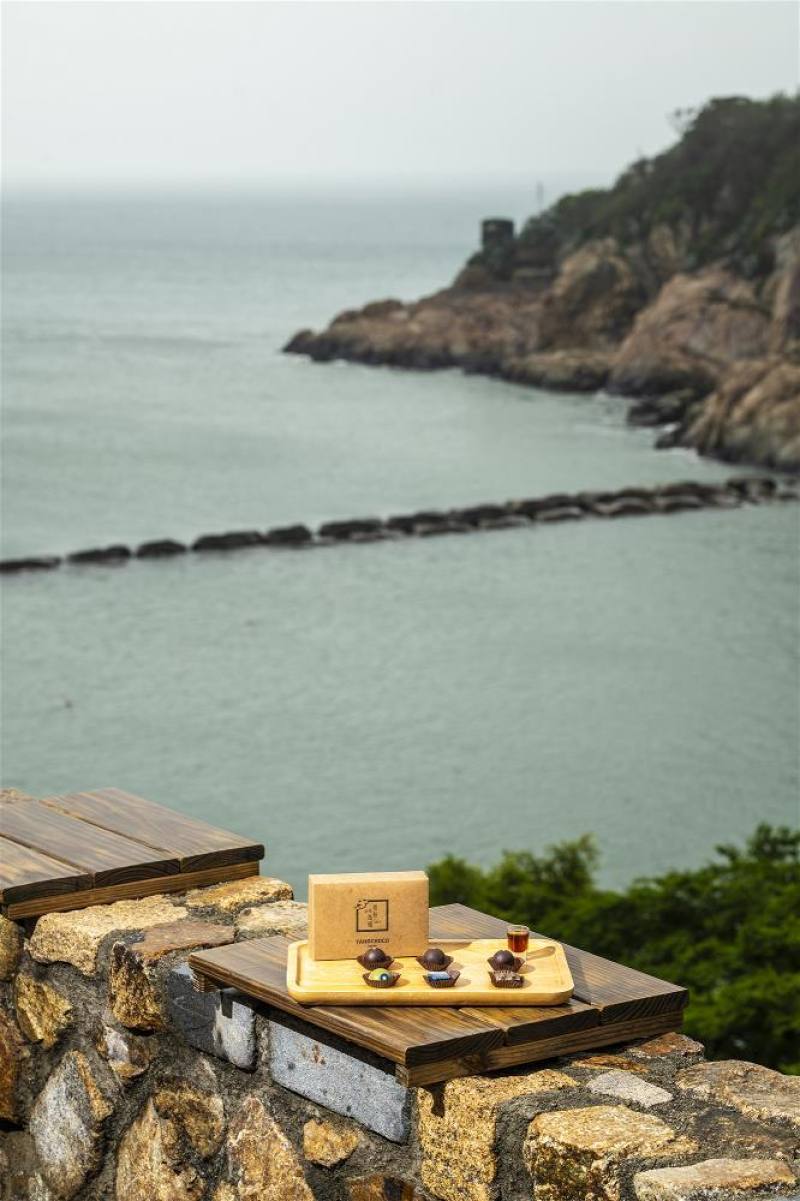
沐光商社負責人傅承緯身為年輕的馬祖女婿,則以外來人視角重新挖掘在地特色。他注意到酒類是很好的伴手禮,但瓶身重、攜帶不便,影響購買意願,於是研發將老酒與高粱藏進巧克力球,改以精緻小巧的甜點禮盒呈現,吸引更廣大的消費族群。
一口老酒裡的島嶼風土
品牌創新的浪潮也擴及觀光體驗。北竿馬祖2845創辦人歐陽瑞蓮,她以西式品酒與調酒方式重新詮釋老酒,梳理出「酸甜苦鹹鮮」五種風味,更形容老酒像「神秘果」般,會隨入口層次產生變化。
她藉由品酒會、微醺巴士以及串聯島上超過30多間店家的「北竿酒祭」,引導旅人從老酒中領略閩東飲食與島嶼文化,也希望像德國慕尼黑啤酒節一樣,讓老酒成為外國人認識台灣的一種方式。
龍福山莊總經理王元嵩觀察到,馬祖觀光的競爭對手,已不只是其他離島,而是日、韓等海外旅遊市場。因此,馬祖必須從低價搶客的型態,轉向提供文化與質感兼具的深度體驗。
酒裡,藏著馬祖人的生命故事
歐陽瑞蓮因愛上北竿風土而留下。她以「媽祖28歲昇天、馬祖四鄉五島」為概念,為「馬祖2845」命名,並在閩東老屋裡重新整理老酒文化。她說,老酒其實與馬祖人的一生緊密相連。許多長輩向她分享釀酒方法時,也會談起過往生活與家庭記憶,說著說著,他們眼睛便亮了起來。她像是聽見許多老人家藏在記憶深處的祕密,因此特別感動。「那些故事,可能已經很久沒有人願意聽了。」她說。
用老酒重新定義馬祖
老酒,不再只是伴手禮,而是島嶼生活風格的輸出。年輕世代清楚知道,真正能被人們記住的,不是商品,而是背後的故事、風土與生活方式。過去被私藏、甚至被遺忘的老酒,如今讓更多人重新看見馬祖。
酒裡,藏著馬祖人的生命故事
歐陽瑞蓮因愛上北竿風土而留下。她以「媽祖28歲昇天、馬祖四鄉五島」為概念,為「馬祖2845」命名,並在閩東老屋裡重新整理老酒文化。
她說,老酒其實與馬祖人的一生緊密相連。許多長輩向她分享釀酒方法時,也會談起過往生活與家庭記憶,說著說著,他們眼睛便亮了起來。她像是聽見許多老人家藏在記憶深處的祕密,因此特別感動。「那些故事,可能已經很久沒有人願意聽了。」她說。
Old-Time Liquor
Scores a Comeback
It is early morning, and people crowd Shizi Market in Jieshou Village on Nangan, one of the Matsu Islands. Amid stalls selling pot-side paste and vermicelli with “old wine,” I detect a scent of coffee, sidle up to the counter at VII Coffee, and try their famed HI!KAJU, a mixture of coffee and “old wine.” Long a ho-hum part of everyday life in Matsu, “old wine” is now attracting the close attention of younger generations.
“Old wine” is made by placing freshly brewed rice wine in earthen jars and storing it in cellars to age until it acquires a smooth mouthfeel. The whole process was brought to Matsu by settlers from Eastern Fujian. In earlier times, fishermen used it to keep warm in winter, and women partook to regain strength during postpartum recovery. The brewing leaves behind tasty red vinasse, which cooks use to spice up various dishes, such as red vinasse pork, red vinasse eel, red vinasse fried rice, and more. These are the shared memories of local people.
But during Matsu’s period under military administration (1956‡1992), private brewing of alcoholic products for sale was prohibited. In addition, consumption habits changed, and “old wine” fell out of favor. People came to see “old wine” as “wine for old folks.”
Local winery goes brand name
High quality at the Matsu Liquor Factory has long relied on three key factors: aging in Tunnel 88, the availability of pure water, and sophisticated brewing and distillation processes. But the value of the Matsu Liquor Factory’s output has spiked upward in recent years thanks to a successful branding effort. The company’s general manager, Jeremy Liu, says that it used to operate mostly as a contract brewer and distiller, and didn’t much try to build up its own brand name until around 2016.
The adoption of a new corporate logo, a sole distributorship system, package design, and a marketing strategy, plus participation in international spirits competitions and major religious pilgrimages in Taiwan, have raised the Matsu Liquor Factory’s brand profile both in Taiwan and overseas.
Liu notes that even though Kaoliang liquor is the company’s biggest seller, the Matsu Liquor Factory continues making “old wine” because it is culturally significant in Matsu, and is valuable to the brand.
Old wine, new times
Another force for change has been the creativity of youth. After the founder of VII Coffee, Qiu Siqi, returned to his native Matsu, he mixed “old wine” and Kaoliang liquor with coffee beans, and roasted the beans to create his unique HI!KAJU coffee. Then he created special packaging that highlights things that make Matsu special, such as “sea sparkle” bioluminescent plankton, known in Taiwan as “blue tears,” and the annual Baiming Festival. The products and packaging have been combined into gift boxes that were named one of the 100 best souvenir gifts in Taiwan.
In just eight years, VII Coffee has grown from a street-market stall into a franchise that sells via Taiwan High Speed Rail, department stores, and convenience stores. It has also linked up with partners around Taiwan to become a sales outlet and logistics platform for local products.
Fu Cheng-wei, proprietor of Muguang & Co., is married to a local woman, and has used his outsider’s perspective to dream up local products with a new twist. Having noticed that alcoholic beverages make excellent gift items but are inconveniently heavy, he developed chocolates with syrupy cores made from “old wine” or Kaoliang liquor, and packaged them into exquisitely designed gift boxes that have proved popular with consumers.
An island’s taste in a drop of wine
Teddy Ouyang founded Matsu 2845 on Beigan Island. She used Western-style wine tasting and mixology methods to identify five different flavors of “old wine”—sour, sweet, bitter, salty, and umami—and likens “old wine” to a “miracle berry.”
She says the culinary and island culture of the Eastern Fujian region show through in “old wine.” She teaches visitors how to spot them, and expresses the hope that one day “old wine” will attract foreigners to come and get to know Taiwan, as happens with Oktoberfest in Munich.
Wang Yuansong, general manager of Golden Dragon Holiday Villa, has noticed that Taiwan’s other offshore islands are not Matsu’s only competitors for tourists. Rivals now include destinations in Japan and South Korea, so instead of competing on price, Matsu needs to concentrate on offering engaging experiences that provide insights into local culture.
Many a tale
Teddy Ouyang fell in love with Beigan Island, settled there for good, and renovated an old house to run her Matsu 2845 organization. Old-timers often share wine-making tips with Ouyang. As they reminisce about the past, happiness glows in their eyes. How is it that conversations about “old wine” reveal hidden secrets locked deep in memory?
“Old wine” redefines Matsu
No longer just a gift item, “old wine” is an export that represents the island lifestyle. Once hidden away or even forgotten, today it is bringing Matsu to more widespread attention.